



Facebook
Email
WhatsApp
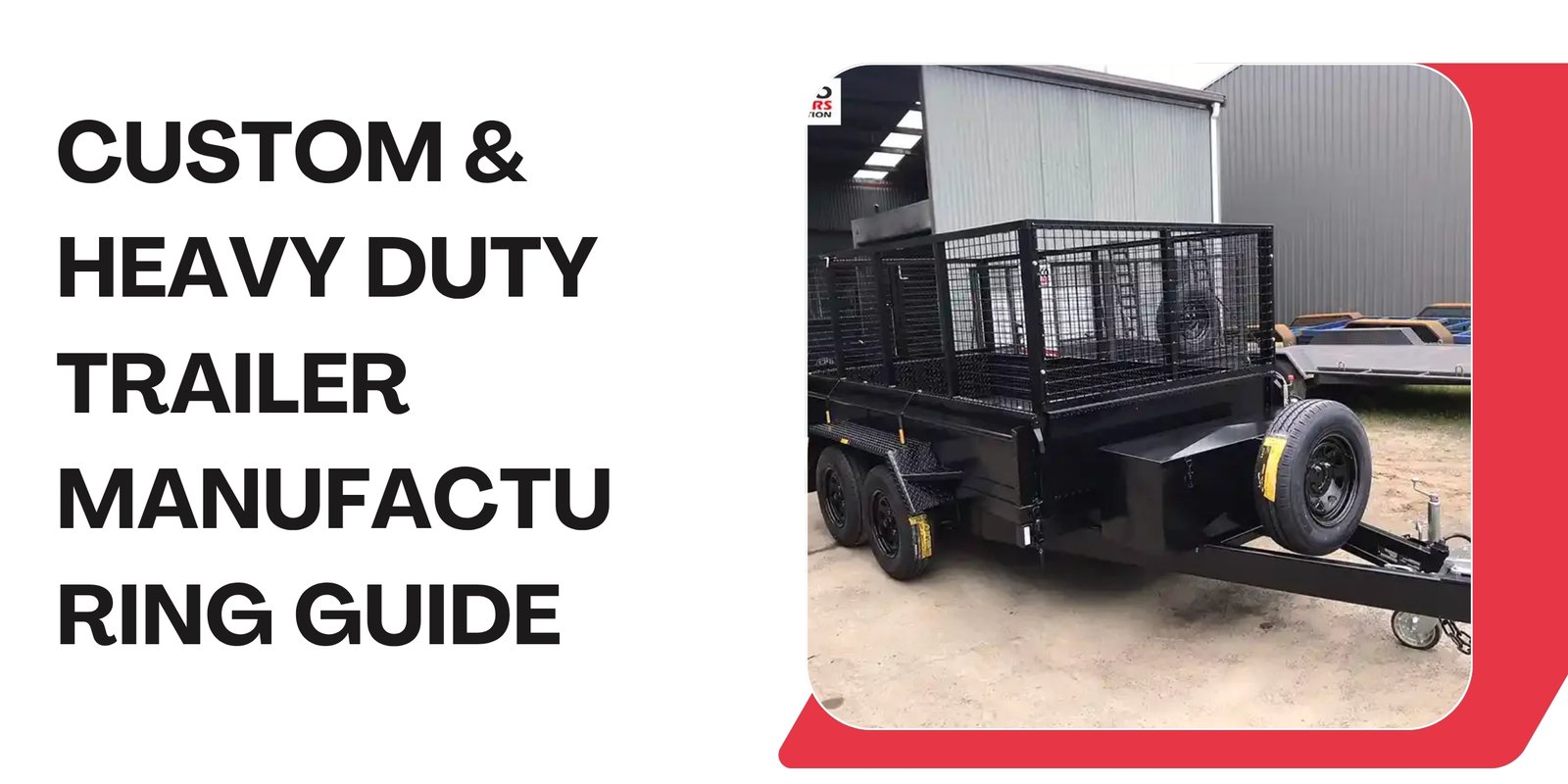
Choosing the right trailer starts with the job it needs to perform. A trailer used for garden materials may not suit machinery transport. A trailer that works well for pallets may not protect tools from weather. A trailer that appears large enough may still be unsuitable if its payload, loading angle, restraint points or towing setup do not match the load.
This guide compares common trailer types by application, body style, loading access and practical limitations. Use it to understand the main differences before choosing a specific trailer category.
For a broader category overview, visit the Halco trailer range. To see available trailer options, view current trailer availability.
Reviewed by: Halco Trailers team
Last updated: 25 July 2026
Review note: Reviewed for trailer terminology, common trailer applications, loading considerations and practical comparison guidance.
The best trailer type depends on the cargo, maximum load weight, loading method, restraint requirements, storage conditions and towing vehicle. Body style matters, but it should always be considered with the complete trailer configuration.
Quick Trailer Type Comparison
| Trailer type | Common use | Main advantage | Key limitation |
|---|---|---|---|
| Box trailer | Household, garden and general cargo | Fixed sides help contain loads | Limited side and overhead loading access |
| Flat-top trailer | Machinery, pallets and long materials | Open deck for flexible loading | Cargo remains exposed |
| Enclosed trailer | Tools, stock and weather-sensitive cargo | Covered body and reduced visibility | Internal size and door openings limit loading |
| Hydraulic tipper trailer | Soil, mulch and suitable loose materials | Easier unloading through tipping | Not suitable for every cargo type |
| Plant trailer | Machinery and worksite equipment | Designed around equipment loading | Must match machine dimensions and weight |
| Car trailer | Vehicle transport | Configured for vehicle loading and restraint | Must suit the exact vehicle |
| Tradesman trailer | Tools and mobile work equipment | Organised storage and access | Permanent storage affects tare mass |
| Stock-crate trailer | Livestock and farm use | Ventilated crate body | Must suit the animals and application |
| Motorbike trailer | Motorcycle transport | Loading and support for bikes | Must suit bike weight and restraint points |
| Custom trailer | Non-standard cargo or workflow | Built around specialised requirements | Requires detailed specification before manufacture |
Which Trailer Type Should I Compare First?
| Need | Start with |
| General household or garden loads | Box trailer |
| Open side loading or pallets | Flat-top trailer |
| Weather protection for tools or stock | Enclosed trailer |
| Loose materials and easier unloading | Hydraulic tipper trailer |
| Machinery transport | Plant trailer or flat-top trailer |
| Car transport | Car trailer |
| Motorcycle transport | Motorbike trailer |
| Organised trade storage | Tradesman trailer |
| Livestock transport | Stock-crate trailer |
| Non-standard load or workflow | Custom trailer |
Box Trailers
Box trailers use fixed sides to help contain general cargo. They are commonly compared for everyday transport because they suit garden, household, light trade and property-maintenance loads.
When a box trailer suits the job
A box trailer suits cargo that benefits from fixed sides and straightforward rear access. This can include garden waste, small equipment, household items, packaged supplies and light trade materials.
When to compare another type
A box trailer is less suitable when cargo needs side loading, overhead loading, covered transport or a specialised loading arrangement. Machinery often needs a plant or flat-top trailer, while tools that need covered storage are better compared against enclosed trailers.
Flat-Top Trailers
Flat-top trailers provide an open deck without fixed high sides. This makes them useful when cargo needs side access, overhead access or a clear loading area.
Flat-top trailers are commonly compared for pallets, long materials, machinery, farm supplies and irregular cargo that would be difficult to load into a fixed-sided body.
When a flat-top trailer suits the job
A flat-top trailer suits loads that are wide, irregularly shaped or loaded by forklift, crane, tractor or ramps. It can be a practical option for timber, pipes, pallets, compact machinery, fencing supplies and farm equipment.
Main limitation
Cargo remains exposed to rain, dust, sunlight and road spray unless a separate cover or protection method is used. Loads also need careful restraint because the open deck does not contain cargo if it shifts.
Enclosed Trailers
Enclosed trailers have a fixed roof and full-height body. They provide a covered cargo area and can help reduce unnecessary public visibility of tools, stock or equipment.
When an enclosed trailer suits the job
An enclosed trailer suits cargo that needs reduced weather exposure, controlled access, internal organisation and covered transport.
Main limitation
The enclosed body limits loading access. Internal length, width, height, door openings and ramp angle all need to suit the cargo. An enclosed trailer also does not remove the need for load restraint or theft-deterrence measures.
Hydraulic Tipper Trailers
Hydraulic tipper trailers use a tipping body to assist with unloading suitable loose materials. They are commonly compared for landscaping, construction, agriculture and property-maintenance applications.
When a hydraulic tipper trailer suits the job
A hydraulic tipper trailer suits suitable loose materials such as soil, mulch, gravel, sand and green waste where assisted unloading is useful.
Main limitation
Not every material is suitable for tipping. The body design, tipping angle, payload, hydraulic system and unloading area must be considered together. Hydraulic hoses, fittings and moving components also require inspection and maintenance.
Plant Trailers
Plant trailers are intended for machinery and worksite equipment. They are planned around equipment dimensions, machine weight, loading method and restraint points.
When a plant trailer suits the job
A plant trailer is the category to compare when machinery requires suitable ramps, a practical loading angle, equipment-specific restraint points and support for concentrated loads.
Main limitation
The trailer must suit the exact machine. Weight, ground clearance, track width, centre of mass and loading direction all matter. A machine fitting on the deck does not automatically mean the trailer is suitable.
Car Trailers
Car trailers are configured for transporting suitable vehicles. They are used for project cars, non-running vehicles, motorsport vehicles or workshop transport.
When a car trailer suits the job
A car trailer is designed for transporting suitable vehicles that need to be moved rather than driven. Before comparing this type, confirm the vehicle’s weight, length, width, track width, ground clearance, loading angle and restraint locations.
Main limitation
Different vehicles can require different setups. A trailer that suits one vehicle may not suit another with lower clearance, greater width or different weight distribution.
Tradesman Trailers
Tradesman trailers are designed around organised tool and equipment transport. They suit builders, electricians, plumbers, landscapers and mobile service operators.
When a tradesman trailer suits the job
This trailer type suits operators who need tool storage, side or rear access, organised compartments and space for equipment or consumables.
Main limitation
Permanent storage, toolboxes and fit-out features increase tare mass. This reduces the available payload for tools and materials. Layout should be planned around actual workflow, not just available space.
Tandem Trailers
Tandem trailers use two axles. The term describes the axle arrangement rather than one specific trailer body.
A tandem configuration can be combined with box, flat-top, enclosed, plant, tradesman and custom trailer designs.
When tandem axles suit the job
A tandem configuration is worth comparing when the complete trailer design requires two axles for the intended application.
Main limitation
Two axles do not automatically make a trailer suitable for heavier work. Capacity depends on the complete chassis, suspension, tyres, brakes, coupling and approved design.
Tri-Axle Trailers
Tri-axle trailers use three axles. Like tandem trailers, this describes axle configuration rather than body style.
When tri-axle trailers suit the job
A tri-axle configuration is relevant for larger or more specialised transport applications where the trailer body, load and towing setup require that arrangement.
Main limitation
Three axles do not automatically mean unlimited strength or suitability. The complete trailer specification still determines whether it is appropriate for the task.
Stock-Crate Trailers
Stock-crate trailers are intended for suitable livestock and agricultural transport. Their design depends on the animals being transported and the operating conditions.
When a stock-crate trailer suits the job
This trailer type suits livestock transport where body layout, ventilation, flooring, grip, access and cleaning requirements are appropriate for the animals and journey.
Main limitation
A livestock trailer should not be selected like a general box trailer. Animal welfare, ventilation, flooring and loading behaviour all affect the appropriate design.
Motorbike Trailers
Motorbike trailers are configured for loading, supporting and restraining motorcycles.
When a motorbike trailer suits the job
This trailer type suits recreational riding, motorsport, workshop transport or moving motorcycles that should not be ridden on public roads.
Main limitation
Motorcycles must be supported and restrained correctly. Ramp angle, wheel support, tie-down points, bike weight and deck space all need to be considered.
Lawn Mower Trailers
Lawn mower trailers are designed around mowing equipment, gardening tools and property-maintenance supplies.
When a lawn mower trailer suits the job
This trailer type suits landscapers, mowing businesses and property-maintenance operators carrying ride-on mowers, push mowers, trimmers, blowers, fuel containers and tools.
Main limitation
The mower’s dimensions, weight and ground clearance must suit the deck, ramp and loading method. Supporting tools and fuel storage also need safe placement and restraint.
Tiny-Home Trailer Chassis
A tiny-home trailer chassis provides the trailer foundation for a suitable tiny-home project.
When a tiny-home chassis suits the job
This category is relevant when the trailer is part of a planned tiny-home build rather than general transport.
Main limitation
A tiny-home chassis should not be selected after the structure is already fully designed. The trailer specification should be considered early because weight distribution, structure size and intended use affect the final setup.
Custom Trailers
Custom trailers are worth comparing when standard trailer categories do not match the cargo, loading method or workflow.
Customisation can relate to size, deck layout, access, restraint points, storage, body style, ramp arrangement or specialised equipment.
When a custom trailer suits the job
A custom trailer is worth comparing when cargo has unusual dimensions, a standard body restricts loading, equipment requires specific support or a workflow needs special access.
Main limitation
A custom trailer still needs a clear purpose. The intended load, dimensions, weight, towing vehicle and access requirements should be known before design begins.
Choosing by Application
Different trailer types can sometimes perform similar jobs. The best starting point is the main application.
General household and garden loads
A box trailer is often the first category to compare for everyday loads that benefit from fixed sides.
Tools and mobile trade work
A tradesman trailer or enclosed trailer is practical when tools need organisation, access and reduced visibility.
Loose material handling
A hydraulic tipper trailer suits suitable loose materials that need to be unloaded efficiently.
Machinery and equipment
A plant trailer or flat-top trailer is usually the correct category to compare when machinery requires ramps, open loading access or equipment-specific restraint.
Vehicle transport
A car trailer or motorbike trailer should be considered when the cargo is a vehicle that needs a suitable loading angle and restraint setup.
Livestock and farm use
Stock-crate trailers are intended for suitable livestock applications. Flat-top, tipper and custom trailers can suit other farm tasks.
Weather-sensitive cargo
An enclosed trailer is the main trailer type to compare when cargo needs a covered body and reduced exposure to rain, dust and public visibility.
Non-standard loads
A custom trailer is appropriate when the cargo, access method or working environment does not fit a standard category.
Key Factors When Comparing Trailer Types
Cargo dimensions
Measure the actual length, width and height of the cargo. Do not rely on estimates, especially for vehicles, machinery or palletised loads.
Cargo weight
The actual load weight affects payload, axle arrangement, braking, tyres, tow vehicle suitability and overall safety.
Loading method
A trailer loaded by forklift usually needs different access from one loaded manually or by ramps.
Weather exposure
Open trailers provide loading access, but cargo remains exposed. Enclosed trailers provide a covered body but reduce loading flexibility.
Load restraint
Every trailer type requires appropriate restraint. The body shape does not remove the need to secure cargo.
Transport Victoria advises that loads must be properly restrained and that the restraint method depends on the type of load being carried. It also recommends suitable equipment and regular restraint checks during travel. Transport Victoria load-restraint guidance
Towing vehicle
The towing vehicle, towbar, coupling and trailer must all suit the actual loaded trailer.
Payload
Payload depends on the approved mass and tare mass of the completed trailer.
Payload = ATM − tare mass
The Australian Government explains that Aggregate Trailer Mass, or ATM, is the total mass of the trailer when carrying the maximum load recommended by the manufacturer, including the mass imposed on the towing vehicle. Australian Government VSB 1 guidance
Trailer Types by Body Style
Open trailers
Open trailers include flat-top trailers, many plant trailers and some car or motorbike trailers. They are useful when loading access is important, but they provide limited built-in weather protection.
Fixed-sided trailers
Box trailers use fixed sides to contain cargo. They suit general-purpose loads, garden materials and small equipment where open side loading is not required.
Enclosed trailers
Enclosed trailers use a fixed roof and full-height body. They help reduce exposure to rain, dust, road spray and public visibility, but internal dimensions and door openings must suit the cargo.
Tipping trailers
Hydraulic tipper trailers help unload suitable loose materials. They should be assessed according to material type, payload, tipping angle and hydraulic system requirements.
Specialised trailers
Stock-crate, tiny-home, scissor-lift, plant and custom trailers are examples of categories developed around more specific uses. Their suitability depends heavily on the exact application.
Common Trailer Selection Mistakes
Choosing by size only
A larger trailer is not automatically a better trailer. Larger bodies can increase tare mass, affect manoeuvrability and require a suitable towing vehicle.
Ignoring loading access
A trailer can have enough space but still be difficult to load if the ramp angle, deck height or side access is wrong.
Underestimating payload
Accessories such as ramps, toolboxes, cages and hydraulic equipment increase tare mass and reduce remaining payload.
Forgetting restraint points
A trailer should allow the cargo to be restrained safely. Loose items, machinery, pallets and vehicles all need suitable restraint methods.
Assuming axle count equals capacity
Single-axle, tandem and tri-axle configurations describe the number of axles. Capacity and suitability depend on the complete approved design.
Forgetting storage space
A trailer also needs to fit where it will be stored, manoeuvred and loaded.
Pre-Selection Checklist
Before comparing trailer categories, prepare:
- Cargo type
- Maximum expected weight
- Cargo length, width and height
- Loading method
- Towing vehicle details
- Required access
- Weather-protection needs
- Storage space
- Restraint requirements
- Frequency of use
- Any specialised workflow requirements
This information makes it easier to compare trailer types and avoid choosing a body style that does not suit the job.
Practical Trailer Selection Note
Before comparing trailer types, confirm the actual load weight, overall dimensions, loading method and towing vehicle. These details affect the body style, axle arrangement, ramp setup, restraint positions and whether a standard or custom trailer category is suitable.
For machinery, vehicles, livestock or specialised work equipment, visual estimates are not enough. Use actual measurements and manufacturer specifications wherever possible.
FAQ's
Common trailer types include box, flat-top, enclosed, hydraulic tipper, plant, car, tradesman, stock-crate, motorbike, tiny-home chassis and custom trailers.
Some categories describe body style, while others describe axle arrangement or primary application.
A box trailer is often a common starting point for general household, garden and light trade loads.
However, the best choice depends on cargo dimensions, weight, loading method and towing vehicle.
Plant trailers and flat-top trailers are common categories for machinery transport.
The right choice depends on the machine’s weight, ground clearance, loading method and restraint requirements.
Hydraulic tipper trailers are commonly used for suitable loose materials that need to be unloaded efficiently.
The material type, body design and tipping arrangement should be considered together.
A box trailer generally has fixed lower sides and an open top, while an enclosed trailer has a fixed roof and full-height body.
Box trailers suit general cargo. Enclosed trailers are more suitable when the load needs covered transport or reduced public visibility.
A flat-top trailer provides an open deck, while a plant trailer is configured around machinery and worksite equipment.
Some plant trailers may use flat-deck features, but the design is usually planned around equipment loading and restraint.
Consider a custom trailer when standard trailer categories do not suit the cargo, loading method, access requirements or workflow.
A custom configuration may address unusual dimensions, specialised storage, equipment support or loading access.
An enclosed trailer may be more suitable when tools need a covered body and reduced public visibility.
Tools still need to be secured and protected according to the operating environment.
Compare trailer types by cargo size, weight, loading method, weather exposure, restraint needs and towing vehicle suitability.
Once you know those details, it becomes easier to identify whether you need a box, flat-top, enclosed, tipper, plant, car or custom trailer.

u945294333_halcotrailer
Newsletter
Subscribe to our Newsletter & Event right now to be updated.
Latest Post
October 16, 2026
October 12, 2026
October 9, 2026
September 29, 2026