

By Halco Trailers Team, Trailer Manufacturing / Safety Specialist
A practical mobile mechanic trailer setup should include secure tool storage, heavy-duty drawers, suitable load capacity, easy-access compartments, reliable lighting and properly secured equipment. For automotive technicians working across Warragul, Gippsland and regional Victoria, a well-planned trailer can make daily service calls more organised and equipment easier to manage.
Mobile mechanics often carry everything from diagnostic scanners and socket sets to compressors, battery chargers and replacement parts. Without a suitable storage layout, finding equipment can take longer, while poorly secured tools may create safety risks during transport.
Whether you are starting a mobile vehicle servicing business, supporting a fleet or upgrading an existing mobile mechanic trailer, choosing the right features is essential.
This guide explores 10 practical trailer features, common setup mistakes, trailer options and a checklist to help you plan a mobile workshop that suits your work.
1. Secure and Lockable Tool Storage Compartments
Protecting valuable tools is an important consideration for mobile mechanics.
Diagnostic equipment, power tools, specialist automotive instruments and hand tools can represent a significant business investment. These items need to remain secure during transport and protected from everyday exposure to weather and road dust.
Lockable compartments provide dedicated storage space while helping prevent unauthorised access.
Useful storage features include:
- Lockable cabinets for diagnostic scanners and electronic equipment.
- Separate compartments for frequently used hand tools.
- Weather-resistant storage doors with suitable seals.
- Secure storage areas for larger mechanical tools.
- Compartments that can be accessed without unloading other equipment.
For example, a technician performing roadside diagnostics may need immediate access to a scan tool, multimeter and battery testing equipment.
Keeping these items together in a protected compartment can simplify preparation for each job.
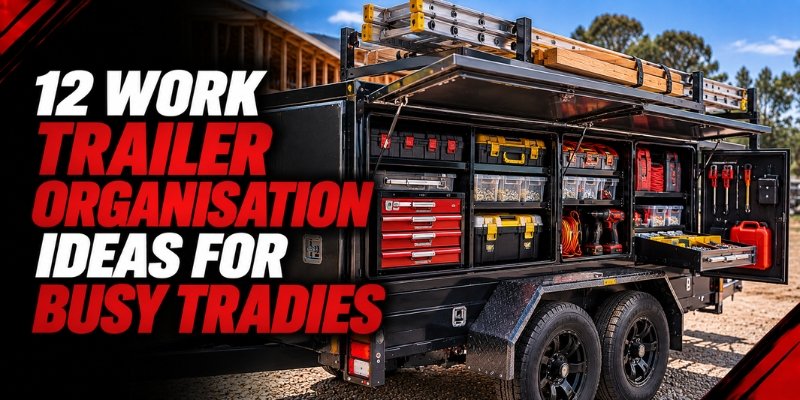
When comparing storage options, consider tradesman trailers designed for trade equipment. Halco offers configurations with lift-up access doors, lockable compartments and optional storage features.
The ideal arrangement depends on your equipment inventory and working requirements.
2. Heavy-Duty Drawers and Organised Shelving
Effective mechanic trailer storage is not simply about fitting more equipment into a trailer. It is about making frequently used tools easy to locate, access and secure.
Heavy-duty drawers can help organise sockets, spanners, screwdrivers, drill bits and smaller automotive components.
Shelving may be useful for replacement parts, containers and equipment that does not require drawer storage.
Consider dividing your tools into three storage zones:
- Frequently used tools: Socket sets, spanners and cordless tools stored in accessible drawers.
- Diagnostic equipment: Scan tools, meters and electronic devices kept in protected compartments.
- Heavy equipment: Jacks, compressors and larger equipment secured in appropriately designed lower storage areas.
For example, a mobile mechanic handling routine servicing may frequently require an oil filter wrench, socket set and inspection light. These should be accessible without moving a compressor or heavy toolbox.
Choose drawers with appropriate load ratings and positive latches that remain secure during travel.
A clearly organised layout can reduce unnecessary handling and help technicians check whether essential equipment is ready before leaving for a service call.
3. Suitable Trailer Size and Load Capacity
Choosing the correct trailer capacity is one of the most important steps in planning a mobile mechanic trailer setup.
Mobile automotive equipment can become heavy once toolboxes, spare parts, compressors, lifting equipment and permanent storage systems are included.
A trailer that appears spacious may still be unsuitable if the total loaded weight exceeds its approved limits.
Before choosing a trailer, calculate the weight of all equipment you plan to carry.
Example: Calculating Available Trailer Payload
Consider a hypothetical trailer with the following specifications:
Item | Weight |
Aggregate Trailer Mass (ATM) | 2,000 kg |
Trailer tare mass | 700 kg |
Theoretical available payload | 1,300 kg |
In this example, the difference between ATM and tare mass is 1,300 kg.
However, that figure must account for equipment and accessories not already included in the trailer’s tare mass.
For instance, permanently installed cabinets, compressors, batteries and other modifications can reduce the weight available for additional tools and parts.
This calculation is illustrative and does not represent a specific Halco trailer.
Also check the tow vehicle’s rated towing capacity, Gross Combination Mass, towball download limits, coupling ratings, axle ratings and applicable braking requirements.
A suitable trailer must comply with all relevant limits, not only its stated ATM.
For Australian towing and construction requirements, refer to the relevant Transport Victoria guidance and the applicable vehicle standards.
Practical tip: Prepare a complete equipment list, including estimated weights and dimensions, before discussing trailer specifications with a manufacturer.
4. Easy-Access Side Doors and Rear Openings
Mobile mechanics work in different environments, including customer driveways, commercial parking areas, fleet depots and regional worksites.
At some locations, there may be limited space around the parked trailer.
A practical trailer layout should allow frequently used equipment to be accessed without opening every compartment or unloading unnecessary items.
Features worth considering include:
- Lift-up side access doors.
- Rear doors or tailgate access.
- Compartments accessible from the exterior.
- Suitable door support mechanisms.
- Adequate clearance around large tools and equipment.
For example, a mechanic attending a fleet servicing job may need to access several tools repeatedly.
If common equipment is stored behind other items, each service call can involve unnecessary lifting and rearranging.
Placing frequently used tools near accessible openings can create a more practical working arrangement.
When planning the layout, consider the space required to open doors safely and whether equipment can be reached when the trailer is parked next to another vehicle.
5. Dedicated Air Compressor Storage
Air compressors can be useful for mobile mechanics who perform tyre inflation or work with compatible pneumatic tools.
However, compressors differ considerably in size, weight, operating temperature and power requirements.
A dedicated storage compartment can help provide a defined position for this equipment.
Important considerations include:
- Secure mounting and restraint during transport.
- Space for inspection and maintenance.
- Manufacturer-specified ventilation requirements.
- Suitable hose and accessory storage.
- Separation from sensitive equipment where necessary.
- Appropriate electrical or fuel-system arrangements.
For example, a mechanic regularly using pneumatic tools may benefit from a compartment positioned near the relevant work area.
The compressor should remain accessible without requiring other equipment to be unloaded.
Compressor storage should be designed around the actual unit and its operating requirements.
Safety note: Petrol- or diesel-powered compressors and generators must not be operated in enclosed or poorly ventilated spaces where hazardous exhaust gases can accumulate.
Planning a Mobile Mechanic Trailer in Gippsland?
Every mobile mechanical business carries different tools and equipment.
If your work requires dedicated compressor storage, secure drawers or specialised access arrangements, speak with Halco Trailers about a configuration suited to your equipment, towing vehicle and intended use.
Explore Halco’s trailer options and request a quote.
6. Practical Lighting for Work and Loading
Mobile mechanical services do not always take place during normal workshop hours.
Some technicians attend early-morning service calls, evening repairs or fleet maintenance jobs in areas with limited lighting.
A suitable lighting arrangement can improve visibility around trailer compartments and equipment access points.
Consider the following options:
- LED lighting inside tool compartments.
- Lights positioned above frequently used drawers.
- External work lighting near loading areas.
- Separate switches for different lighting zones.
- Suitable wiring protection for exposed areas.
For example, a technician accessing tools at a poorly lit depot may benefit from compartment lighting that makes small fittings and equipment easier to identify.
External work lights should be positioned to minimise glare and avoid obstructing other road users.
Additional lighting must not interfere with legally required trailer lights, indicators or reflectors.
Before installing electrical accessories, confirm that the proposed arrangement is suitable for the trailer and complies with relevant requirements.
7. Reliable Electrical Supply and Charging Options
Modern vehicle servicing often involves electronic diagnostic equipment, cordless power tools, battery chargers and laptops.
A suitable electrical setup can support these devices when working away from a fixed automotive workshop.
Depending on your equipment, options may include:
- Auxiliary battery systems.
- 12V DC charging points.
- USB charging outlets.
- Suitable inverters.
- Professionally installed external power connections.
- Separate circuits for lighting and equipment.
Before selecting an electrical system, identify the power demand of each device.
For example, a mechanic using a diagnostic laptop, inspection lights and cordless tool chargers may have different electrical requirements from a technician operating larger powered equipment.
Consider how many devices need to operate simultaneously and how long the system must support them between charging opportunities.
Battery placement, ventilation, circuit protection and cable routing should also be assessed.
Any work involving regulated electrical installations must be completed by appropriately licensed professionals.
A well-planned electrical arrangement can reduce clutter and make charging equipment more convenient between jobs.
8. Durable Flooring and Weather Protection
Mobile mechanics working across Warragul, Drouin, Moe, Traralgon and surrounding Gippsland areas may encounter rain, road dust, muddy worksites and changing weather conditions.
The trailer’s flooring and storage construction should suit these everyday working environments.
Useful features may include:
- Durable flooring suited to the intended load.
- Slip-resistant surfaces where appropriate.
- Weather-resistant compartments.
- Corrosion-resistant finishes.
- Suitable seals around doors and storage openings.
- Surfaces that are practical to inspect and clean.
For example, a mechanic carrying equipment between regional service locations may need flooring that can tolerate regular loading and contact with dirty tools.
Weather protection is particularly important when transporting electronic diagnostic devices and other sensitive equipment.
Also consider the safe storage of automotive fluids, batteries and aerosols.
These products may have specific containment, separation, ventilation or handling requirements. Check their safety data sheets and applicable regulations before deciding where they should be stored.
9. Secure Equipment Mounting and Tie-Down Points
A mobile workshop often carries equipment that differs significantly in shape, size and weight.
Tool chests, jacks, compressors and other heavy items must remain properly restrained while the trailer is moving.
Unsecured equipment can shift during braking, cornering or travel over uneven roads.
Suitable mounting points and load-restraint systems should be considered during the trailer design process.
Important equipment restraint practices include:
- Positioning heavier equipment low where practical.
- Using restraints suitable for the equipment weight and shape.
- Keeping the load distributed appropriately.
- Securing removable toolboxes and large items.
- Checking straps, latches and fittings before travel.
- Avoiding loose equipment on shelves or flooring.
For example, a portable hydraulic jack should not be left unsecured simply because it sits inside an enclosed trailer.
Transport Victoria requires trailer loads to be properly secured and transported without compromising vehicle stability.
The correct restraint method will depend on the equipment and trailer design.
Where permanent equipment mounting is required, discuss the load and attachment requirements with the trailer manufacturer.
10. Custom Layout Designed Around Your Daily Work
Every mobile mechanic business has different equipment and servicing requirements.
A technician specialising in vehicle diagnostics may prioritise secure electronic equipment storage and charging facilities.
A fleet maintenance contractor may require larger compartments for spare parts, lifting equipment and mechanical tools.
A roadside service business may place greater importance on quick access to essential equipment.
This is why a mobile workshop trailer should be planned around the services performed most frequently.
Before finalising a layout, ask yourself:
- Which tools do I use on almost every job?
- Which equipment needs weather protection?
- What equipment is heavy or difficult to move?
- Which tools require electrical power?
- How much access space will I need?
- Could my equipment requirements change as the business grows?
Instead of choosing storage features individually, consider how the entire trailer will function during a typical service call.
Halco Trailers manufactures standard and custom trailers in Warragul, Victoria.
Depending on the intended application and approved design, customers can discuss storage, access, loading and equipment-carrying requirements when planning a trailer configuration.
The objective is to create a practical trailer that suits your working routine, equipment and towing requirements.
Which Trailer Type Is Best for Mobile Mechanics?
Different trailer types offer different advantages.
The most suitable option depends on the equipment you transport, the work you perform and how frequently you need to access tools.
Trailer type | Potential benefits | What to consider |
Tradesman trailer | External tool access, lockable compartments and organised storage | Available storage capacity, drawer layout and access space |
Enclosed trailer | Covered equipment transport and potential internal storage space | Internal dimensions, ventilation, lighting and load distribution |
Custom trailer | Layout designed around specific equipment and workflow requirements | Design suitability, approved capacity, lead time and cost |
Tradesman Trailer
A tradesman-style trailer may suit mechanics who want equipment organised in accessible storage compartments.
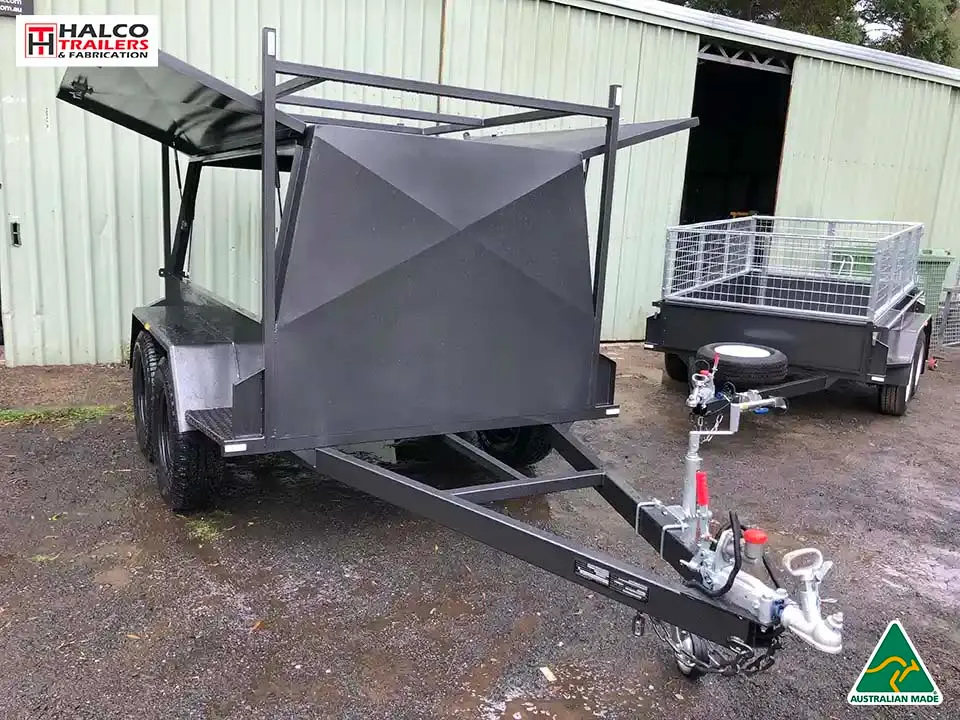
Depending on the configuration, it can provide secure tool storage and convenient access from outside the trailer.
Enclosed Trailer
An enclosed design may be suitable for transporting equipment that requires additional weather protection.
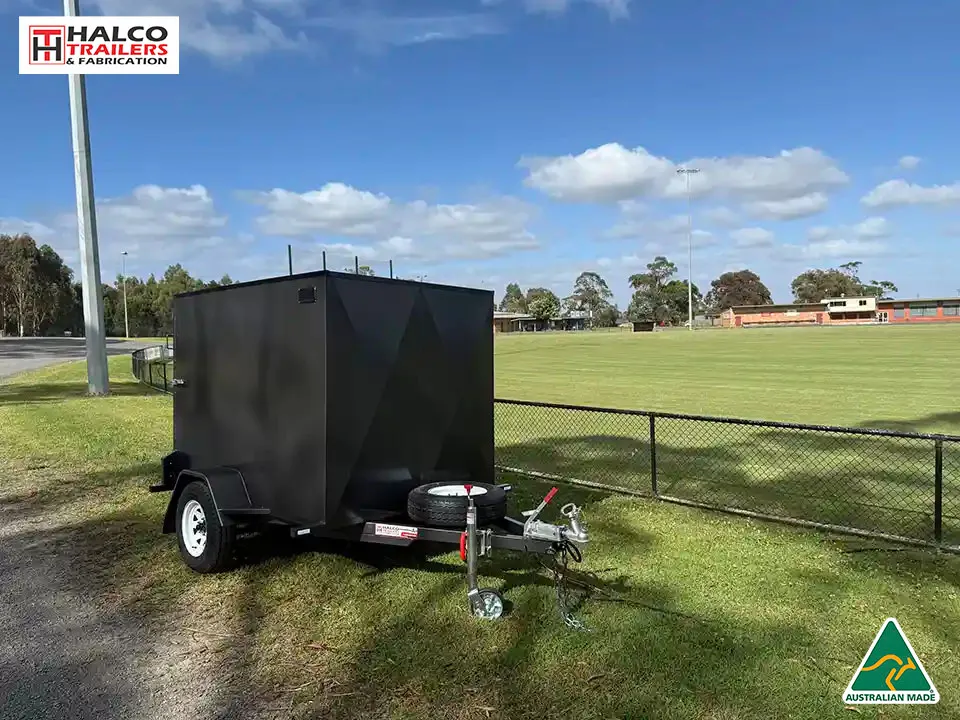
However, mechanics should assess ventilation, internal clearance, safe equipment access and electrical requirements before selecting this option.
Custom Trailer
A custom configuration may be appropriate when standard layouts do not suit the equipment or working conditions.
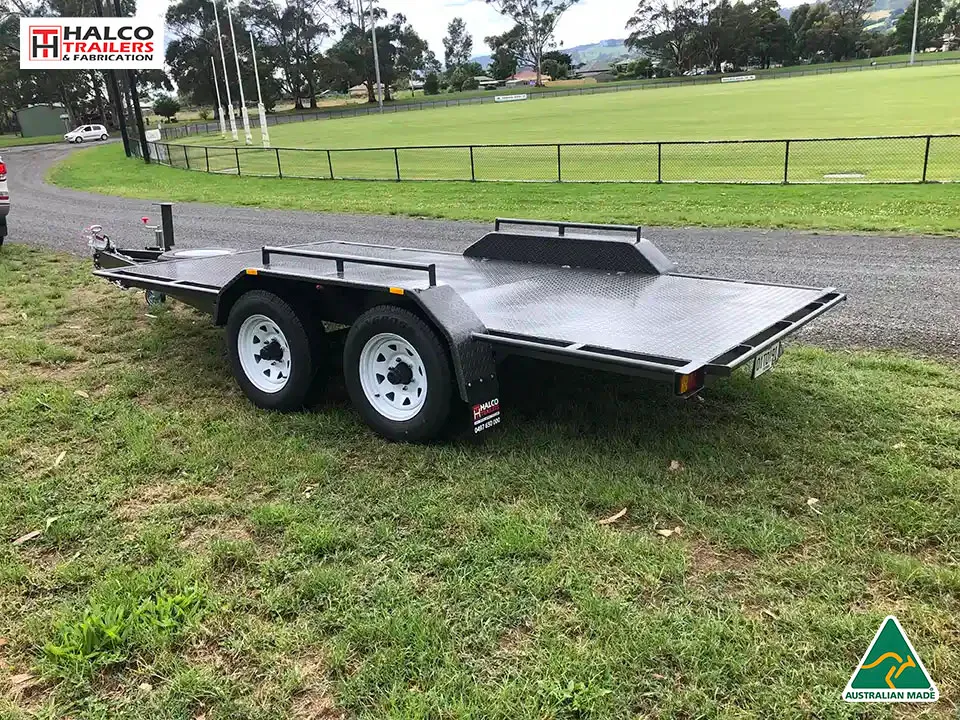
For example, a mechanic transporting a large compressor and specialist service equipment may require specific mounting positions and storage dimensions.
The best choice is not necessarily the largest or most expensive trailer. It is the one that safely accommodates your tools and supports the way you work.
Mobile Mechanic Trailer Setup Checklist
Before purchasing or customising a trailer, review the following checklist.
Requirement | What to check |
Equipment inventory | List all tools, machinery and spare parts |
Equipment weight | Estimate fully loaded equipment weight |
Towing suitability | Check tow vehicle and trailer limits |
Storage capacity | Allow space for tools and permanent fittings |
Tool security | Consider lockable compartments |
Storage layout | Keep frequently used tools accessible |
Compressor storage | Confirm mounting and ventilation requirements |
Lighting | Plan compartment and work-area illumination |
Electrical supply | Calculate charging and equipment power demand |
Weather protection | Consider flooring, finishes and seals |
Equipment restraint | Include suitable mounting and tie-down arrangements |
Future requirements | Consider likely changes to equipment needs |
Taking time to review these details can help you provide accurate information when requesting a quotation.
It can also help identify equipment that may not be suitable for transport in your intended trailer configuration.
5 Common Mobile Mechanic Trailer Setup Mistakes to Avoid
Even a well-equipped trailer can become difficult to use if the original layout has not been properly considered.
1. Underestimating Equipment Weight
Tools, cabinets, batteries and compressors can add significant weight.
Calculate the complete load rather than estimating based only on the largest equipment items.
2. Installing Storage Without Planning Access
A large toolbox is less useful if its drawers cannot open when other equipment is loaded.
Consider how tools will be accessed during normal service calls.
3. Poor Equipment Weight Distribution
Heavy equipment placed incorrectly can affect stability and towing behaviour.
Follow the trailer manufacturer’s loading recommendations and applicable load-restraint guidance.
4. Overlooking Electrical and Ventilation Requirements
Powered equipment may require specific ventilation, battery protection and electrical arrangements.
Assess these requirements before choosing the compartment layout.
5. Choosing a Trailer Without Considering Future Needs
Equipment requirements may change as a mobile repair business expands.
Consider reasonable future requirements without exceeding the trailer’s approved capacity or compromising safety.
How to Choose a Mobile Mechanic Trailer Setup in Australia
Choosing a suitable trailer starts with understanding your equipment, towing vehicle and working conditions.
Begin by identifying the services you offer.
For example, a mobile mechanic performing basic servicing may transport a smaller range of tools than a contractor providing specialised fleet maintenance.
Next, create a complete equipment inventory, recording the approximate weight and dimensions of each item.
Consider where your tools will be stored and how often you need to access them.
Finally, discuss the required trailer size, payload, storage compartments and equipment mounting with a suitable trailer manufacturer.
For businesses operating in Victoria, trailer construction, modification, registration and load-restraint requirements must be considered.
Transport Victoria provides guidance on building or modifying a light trailer.
You can also review its information about securing loads on vehicles and trailers.
These resources can help you understand relevant requirements before making decisions about trailer construction or equipment installation.
Why Choose Halco Trailers for Your Mobile Workshop Requirements?
Halco Trailers and Fabrication manufactures standard and customised trailers at its workshop in Warragul, Victoria.
The company supplies trailer configurations for tradespeople, contractors, businesses and individual customers across Gippsland, Melbourne and regional Victoria.
For mobile mechanics, a discussion with the Halco team can help identify suitable trailer configurations and options based on equipment requirements.
Customers can provide information about:
- Equipment dimensions and approximate weight.
- The vehicle intended for towing.
- Required storage and access arrangements.
- Equipment mounting requirements.
- Typical working conditions.
- Preferred trailer size and configuration.
Halco can then discuss relevant options and the specifications required for a quotation.
Whether you are setting up a new mobile mechanical service or replacing an existing work trailer, selecting a suitable configuration is an important step towards creating a practical mobile workshop.
Plan Your Mobile Mechanic Trailer with Halco Trailers
A practical mobile mechanic trailer setup should make tools easier to organise, equipment easier to access and daily service calls more manageable.
From lockable storage compartments to specialised equipment mounting, the right features depend on your work and the tools you carry.
Halco Trailers manufactures standard and customised trailer configurations in Warragul, Victoria, serving customers throughout Gippsland, Melbourne and surrounding areas.
If you are planning a new mobile mechanical business or looking to improve your existing equipment transport setup, speak with Halco about suitable trailer options.
Discuss Your Trailer Requirements and Request a Quote
Share your equipment list, expected load, towing vehicle and preferred storage features to start a conversation about a trailer suited to your business.