

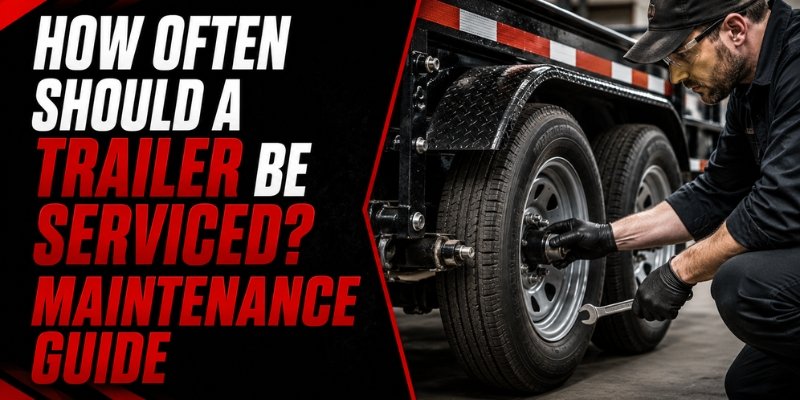
This trailer servicing guide explains how often trailers should be serviced based on load, distance, road conditions and business use. Most owners should inspect before every trip and book workshop servicing at least yearly, sooner for heavy work.
A trailer does not fail only because it is old. It fails because brakes wear, bearings dry out, tyres crack, lights corrode, wiring loosens, suspension moves, rust spreads and small faults are ignored until the next loaded trip.
For tradies, contractors, landscapers, farmers, vehicle owners, tiny house builders and small business operators, trailer servicing is not just maintenance. It protects jobs, equipment, road safety, resale value and the towing vehicle.
Use this trailer servicing guide to plan owner checks, workshop servicing, trailer repair, replacement trailer parts and service records before a breakdown interrupts work.
How often should a trailer be serviced in Australia?
A trailer should be checked before every tow and professionally serviced at least once a year for normal use. Heavy work trailers, rough-road trailers and trailers carrying machinery, soil, tools or business equipment may need servicing every few months.
There is no single interval that suits every trailer. A small household trailer doing tip runs twice a year is not under the same stress as a tandem trailer carrying building materials five days a week.
Value Trailers’ Trailer Care Guide gives a useful benchmark by recommending servicing every 5,000 km or 12 months, whichever occurs first, with commercial operators servicing more often because of heavier usage demands.
Trailer service frequency table
Trailer use | Owner check | Workshop service guide |
Occasional household trailer | Before every trip | Yearly or before a major trip |
Regular domestic trailer | Monthly and before loaded towing | Every 12 months |
Tradie trailer | Weekly and before heavy jobs | Every 6 to 12 months |
Landscaping trailer | Before loaded runs | Before peak season and after heavy wet loads |
Farm trailer | Before road towing | After rough paddock use, storage or heavy loads |
Tandem work trailer | Before loaded towing | Every 6 months or sooner if wear appears |
Plant trailer | Before every machine move | Based on machine weight, distance and site conditions |
Hydraulic tipper trailer | Before every heavy tipping job | Regularly, with brakes and hydraulics checked together |
Stored trailer | Before reuse | Before road towing after months unused |
Fleet trailers | Recorded checks | Planned service schedule by use and fault history |
A service interval should be tightened when the trailer works harder than average. Heat, dust, mud, gravel, rough worksites, heavy braking and overloading all reduce the safe gap between inspections.
What should be included in a proper trailer service?
A proper trailer service should inspect brakes, bearings, hubs, tyres, wheels, suspension, axles, coupling, safety chains, lights, wiring, chassis, drawbar, latches, ramps, hydraulic systems and visible load-restraint points where fitted.
A good trailer service is not just a grease job. It should look at the trailer as a connected towing system. A bearing problem can affect hub heat. Brake drag can affect tyres. Bad wiring can affect lights and electric brakes. Suspension wear can damage tyres and make the trailer track poorly.
Halco’s trailer parts, repairs and servicing page says preventive servicing may include brakes, bearings and hubs, axles and suspension, tyres and wheels, coupling and safety chains, lighting and wiring, chassis and drawbar, ramps, doors, latches, hydraulic systems and visible restraint points.
Service inclusion table
Area | What should be checked | Why it matters |
Brakes | Adjustment, wear, response, wiring, fluid or controller issues | Poor brakes increase stopping distance |
Bearings and hubs | Play, grease, seals, heat and noise | Bearing failure can stop the trailer roadside |
Tyres and wheels | Pressure, age, cracks, tread, load rating and wheel nuts | Tyres carry the load and affect tracking |
Suspension | Springs, shackles, bushes, U-bolts, hangers and axles | Suspension controls load support and tyre wear |
Coupling | Rating, latch, wear, lock and tow-ball fit | The coupling keeps the trailer connected |
Safety chains | Rating, condition and attachment points | Chains provide backup if the coupling fails |
Lights | Brake lights, indicators, tail lights, plate light and reflectors | Other drivers need to see your movements |
Wiring | Plug, cable, earth, joints and corrosion | Wiring faults can be intermittent and unsafe |
Chassis and drawbar | Cracks, rust, bends, welds and fatigue | Structural faults can become serious quickly |
Ramps and latches | Hinges, pins, locks, doors and tailgates | Loose hardware can become a road hazard |
Hydraulic system | Hoses, fittings, leaks, rams and operation | Tippers need safe lifting and lowering |
Tie-down points | Welds, bolts, wear and position | Load movement stresses the whole trailer |
According to the Department of Infrastructure’s Vehicle Standards Bulletin 1, known as VSB 1, component type approvals can apply to lamps, couplings, brake systems, tyres, safety chains and chassis including drawbars. That supports the practical point: these parts are safety components, not decorative accessories.
How should this trailer servicing guide apply to different owners?
This trailer servicing guide should be adjusted to the owner’s real use. A homeowner, tradie, landscaper, farmer, plant operator and small fleet owner place different stress on brakes, bearings, suspension, tyres, lights, coupling and chassis.
A trailer used lightly can still become unsafe through age, corrosion and storage. A trailer used daily can become unsafe through wear, heat and impact. The service plan should match the risk pattern.
Owner-based service planning table
Owner type | Common service risk | Practical service focus |
Homeowners and DIY users | Long storage, low tyre pressure, light corrosion | Check tyres, lights, coupling and bearings before trips |
Tradies and contractors | Daily loading, tools, rough sites, tight schedules | Planned brake, bearing, suspension and lighting checks |
Landscapers | Wet soil, mulch, green waste, tipper use | Brakes, hydraulics, suspension, rust and cleaning |
Construction companies | Heavy materials, site impacts, multiple drivers | Fleet records, fault reporting and scheduled servicing |
Farmers and rural owners | Paddock use, mud, dust, rough tracks | Suspension, tyres, bearings, chains and corrosion |
Automotive businesses | Vehicle transport and ramp use | Brakes, ramps, lights, tie-down points and tyre condition |
Tiny house builders | Long build times and changing weight | Chassis, suspension, tyres, brakes and wheel-arch access |
Small business owners | Downtime and job delays | Preventive servicing and repair planning |
A realistic example is a garden maintenance business using the same trailer for green waste, mowers and soil. The trailer looks simple, but it sees wet loads, daily short trips, reversing, brake use, ramp use and uneven jobsite ground. That trailer deserves a more frequent service rhythm than a weekend-only trailer.
What checks should owners do before every trip?
Owners should check the coupling, chains, lights, tyres, wheels, brakes, load restraint, latches, ramps, visible wiring and obvious structural damage before every trip. These checks take minutes and catch many faults before road speed exposes them.
Pre-trip checks do not replace workshop servicing. They are the first filter. If something looks wrong, sounds wrong or feels different, the trip should wait until the fault is understood.
10-minute pre-trip trailer check
- Check the coupling is seated and locked: the trailer must be fully connected before chains, lights and brakes matter.
- Connect safety chains to rated tow points: chains are backup protection if the main connection fails.
- Test brake lights, indicators and tail lights: a failed light gives other drivers less warning.
- Inspect tyre pressure and visible damage: soft, cracked or bulging tyres can fail quickly under load.
- Look at wheel nuts and wheel position: missing nuts, wobble or unusual camber need urgent attention.
- Test brakes where fitted: weak, delayed, grabbing or uneven braking should be checked before towing.
- Inspect plug and visible wiring: corrosion, loose pins and damaged cable can cause intermittent faults.
- Check ramps, doors, lids and latches: loose hardware can open or detach while towing.
- Confirm the load is restrained: moving loads can overload tyres, suspension, brakes and coupling.
- Recheck after 10 to 20 kilometres: straps, hubs, tyres and plugs often reveal faults once the trailer settles.
According to the National Transport Commission’s Load Restraint Guide for Light Vehicles, a load must be properly restrained, must not overhang dangerously, must not exceed mass limits and must not cover lights, indicators, reflectors or the number plate. That means load restraint belongs in every trailer service routine, not only transport training.
What warning signs mean a trailer needs urgent repair?
A trailer needs urgent repair if it has hot hubs, weak brakes, grinding, pulling, loose coupling, flickering lights, cracked springs, tyre rubbing, structural cracks, hydraulic leaks, damaged safety chains or a trailer that tracks sideways.
Do not keep towing a loaded trailer because the workshop is close. A minor visible fault can become a wheel, brake, tyre, suspension or drawbar failure once the trailer is moving at road speed.
Urgent repair decision table
Warning sign | Possible cause | What to do |
Hot hub | Bearing or brake drag | Stop and arrange inspection |
Grinding noise | Bearing, brake or hub damage | Do not tow loaded |
Trailer pulls to one side | Brake, tyre, axle or load issue | Check load, then inspect running gear |
Weak braking | Brake wear, adjustment or wiring fault | Book brake inspection |
Flickering lights | Plug, earth or wiring fault | Repair before night or road towing |
Loose coupling feel | Worn, mismatched or poorly locked coupling | Stop until connection is confirmed |
Cracked spring | Suspension fatigue or overload | Do not tow loaded |
Tyre rubbing guard | Sagging suspension, overload or clearance issue | Stop before tyre damage worsens |
Chassis or drawbar cracks | Structural fatigue or impact | Arrange professional repair |
Hydraulic leak | Hose, fitting, seal or ram issue | Do not operate tipper under load |
Damaged safety chain | Rust, wear, wrong rating or poor attachment | Replace or repair before towing |
Trailer sways after correct loading | Tyres, suspension, axle or coupling issue | Inspect before further use |
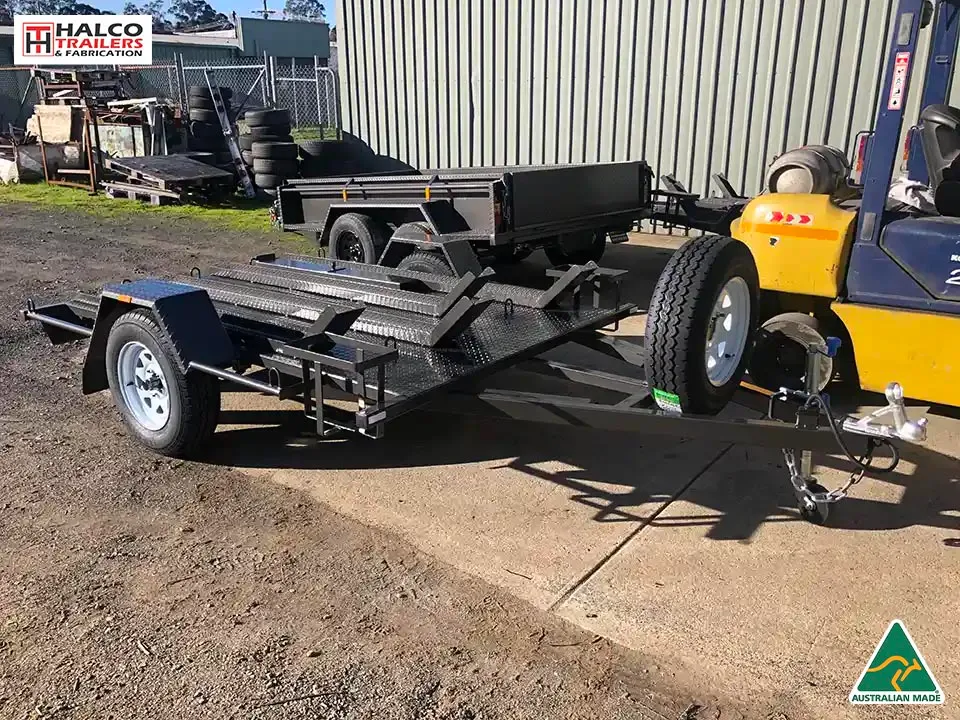
Halco’s trailer repair centre content notes that regular inspections help identify brake systems, tyres, suspension, lights, wiring, couplings and chains before faults become dangerous or costly.
How do brakes, bearings, tyres and lights affect service timing?
Service timing should be based on the parts most likely to fail under your use. Brakes, bearings, tyres and lights often set the maintenance schedule because they are exposed to heat, load, vibration, corrosion and repeated movement.
A trailer might not need a major structural repair every year, but it still needs regular attention to parts that wear, loosen or corrode. These are the systems that usually show up first as roadside problems.
Component-based service timing table
Component | Service trigger | Why it matters |
Brakes | Weak stopping, pulling, grabbing, controller warning or heavy work use | Brake faults affect control and stopping distance |
Bearings | Heat, rumble, wobble, grease leak or long storage | Bearing failure can immobilise the trailer |
Tyres | Cracks, age, uneven wear, low pressure or heavy loads | Tyres carry weight and reveal alignment issues |
Lights | Flicker, water ingress, failed globe or damaged wiring | Lights communicate braking and turning |
Suspension | Leaning, clunks, tyre scrub or rough worksites | Suspension controls load support and tracking |
Coupling | Clunking, poor lock, wear or incorrect fit | Coupling security affects the whole towing setup |
Safety chains | Rust, wear, drag marks or uncertain rating | Chains are backup connection protection |
Chassis | Rust, cracks, bends or old repairs | Structural strength affects long-term safety |
Hydraulic system | Slow lift, leaks, noise or uneven tipping | Tippers need safe controlled operation |
Ramps and latches | Loose pins, bent ramps or worn hinges | Loading and transport hardware must stay secure |
VSB 1 states that trailers over 750 kg GTM must have an efficient service braking system, and trailers over 2,000 kg GTM need brakes operating on all wheels plus an emergency breakaway system that applies brakes if the trailer disconnects. These braking requirements make brake condition especially important on heavier work trailers.
When should you choose servicing, trailer repair or replacement parts?
Choose servicing for planned maintenance, trailer repair for a diagnosed fault and trailer parts when a worn or damaged component must be replaced. The safest process is inspect first, diagnose the cause, then repair or replace.
Do not replace parts at random. A flickering light may be a bad earth rather than the lamp. Uneven tyre wear may be a suspension issue rather than a tyre issue. A hot hub may be brake drag or bearing failure.
Service, repair and parts decision table
Situation | Best next step | Example |
Trailer works normally but is due | Servicing | Annual brake, bearing, tyre, light and coupling check |
You notice a fault | Repair inspection | Pulling, grinding, hot hub or flickering light |
A component is damaged | Replacement part | New plug, latch, light, chain, bearing or spring |
Fault keeps returning | Diagnostic repair | Repeated light failure or tyre scrub |
Trailer carries heavier loads now | Setup review | Upgrade, service change or different trailer type |
Trailer has multiple old faults | Repair vs replacement decision | Brakes, bearings, tyres and rust all at once |
Business runs multiple trailers | Fleet service plan | Recorded inspections and fault priority list |
Trailer has been stored | Pre-use service | Bearings, tyres, brakes and wiring before towing |
Halco can assist with suitable trailer parts, repairs and installation subject to compatibility, workshop capability and component availability. For urgent structural, brake, bearing or electrical faults, a dedicated trailer repair inspection is safer than guessing.
How should business owners keep trailer service records?
Business owners should keep trailer service records showing inspection dates, faults reported, work completed, parts replaced, invoices, photos, mileage or usage notes, and the next planned service. Records help manage downtime, resale and repeated faults.
Records do not need to be complicated. A simple spreadsheet or shared document can show which trailer is due, what was fixed last time and which problems keep returning.
Trailer service record framework
Record item | Why to keep it |
Trailer ID or registration | Identifies the exact trailer |
Service date | Shows when the work was completed |
Reported fault | Helps compare driver complaints and workshop findings |
Work completed | Explains what was inspected, serviced or repaired |
Parts replaced | Helps with warranty, compatibility and future ordering |
Photos | Useful for rust, cracks, wear and accident history |
Load pattern | Shows whether the trailer is being pushed too hard |
Next service reminder | Prevents maintenance being forgotten |
Urgency rating | Helps fleet owners prioritise unsafe trailers |
Invoice or receipt | Supports resale, accounting and repair history |
For small fleets, record the driver or crew who reported the problem. Some faults happen only with a specific load, route or job type. That context helps a workshop diagnose the real cause faster.
Halco’s parts and servicing page explains that businesses operating several trailers can discuss planned inspections and workshop servicing, including fault recording, brake and bearing checks, electrical and lighting repairs, running-gear inspections, structural fault identification and future maintenance planning.
How much can trailer servicing cost in Australia?
Trailer servicing costs depend on trailer size, axle count, brake type, bearing condition, wiring access, corrosion, parts availability, hydraulic systems and whether repair work is needed after inspection. A service should be quoted around real condition.
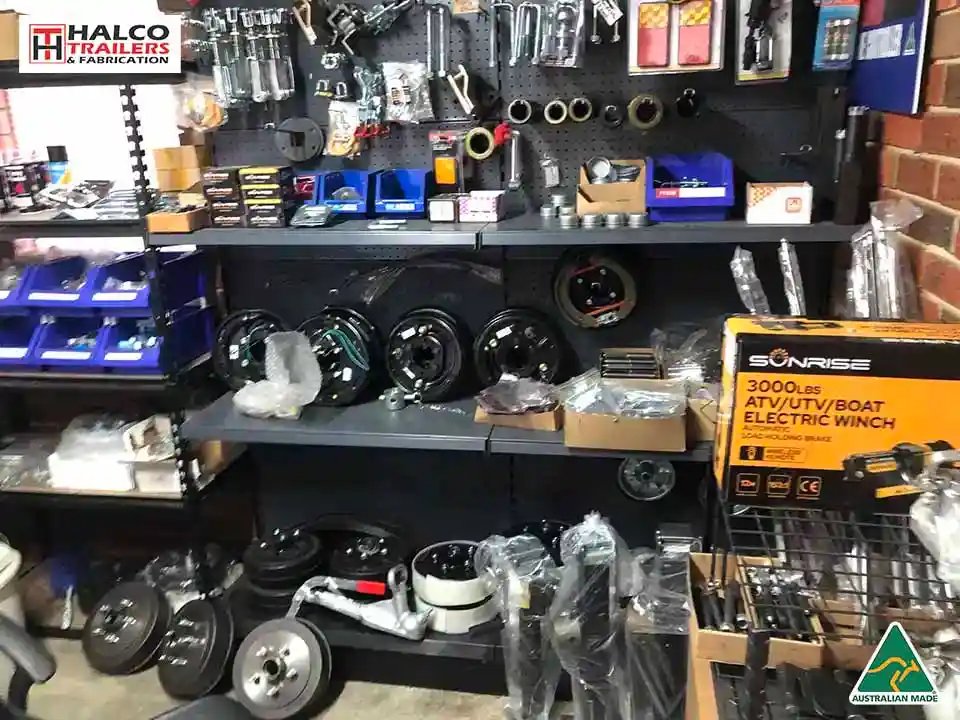
A basic trailer service is different from a full repair job. Once a workshop finds worn brakes, damaged bearings, cracked springs or wiring faults, the cost changes because the trailer needs repair, not just inspection.
Cost factor table
Cost factor | Why it affects price |
Single axle vs tandem axle | Tandem trailers have more wheels, bearings, brakes and suspension points |
Braked vs unbraked trailer | Brake inspection and adjustment add work |
Electric vs hydraulic brakes | Different testing, parts and labour |
Bearing condition | Repacking is different from replacement and hub repair |
Wiring condition | Hidden faults can take time to trace |
Tyre condition | Tyre replacement may follow alignment or wear diagnosis |
Suspension wear | Bushes, springs, shackles and axles can add work |
Rust and corrosion | Seized bolts and structural rust increase labour |
Hydraulic tipper systems | Hoses, fittings, rams and pumps need separate checks |
Parts availability | Standard parts are usually easier than unusual components |
Commercial urgency | Faster turnaround depends on workload and parts supply |
For business owners, the real cost is often downtime. A planned trailer service before the busy season is usually easier to manage than emergency trailer repair during a booked job.
Conclusion
Use this trailer servicing guide as a practical schedule: inspect before every tow, service at least yearly for normal use and shorten intervals for heavy work, rough roads, wet loads, storage or repeated faults.
For trailer owners across Warragul, Melbourne, Gippsland and regional Victoria, Halco Trailers can help with trailer servicing, trailer repair, trailer parts and repair-centre support. If your trailer has weak brakes, hot hubs, poor lighting, suspension noise or structural damage, book an inspection before the next loaded trip.