

By Halco Trailers Team, Trailer Manufacturing / Safety Specialist
Published: 31 August 2026
Trailer bearing noise often sounds like grinding, rumbling, humming or growling from the wheel area. Stop towing if the hub is hot, the wheel wobbles, grease leaks or the noise gets worse under load.
A noisy trailer is not something to ignore. A small sound from the wheel area can point to trailer bearings, brakes, tyres, suspension, coupling, loose ramps, body panels or load movement. The key is knowing which noises are harmless rattles and which ones mean the trailer should stop before the next loaded trip.
For tradies, contractors, landscapers, farmers, automotive businesses, homeowners, DIY users and small business owners, this guide explains the most common trailer noises, how to narrow down the cause and when to book trailer repair or trailer servicing.
What does trailer bearing noise usually sound like?
Trailer bearing noise usually sounds like a low rumble, growl, grind, hum or rough rotating sound from one wheel. It may become louder with speed, worse while cornering or more obvious after the trailer is loaded.
Bearing noise is often rhythmic because the bearing rotates with the wheel. That is different from a loose tailgate rattle, chain slap or toolbox vibration, which usually changes with bumps rather than wheel speed.
A common example is a tradie towing a loaded trailer to site. Empty, the trailer sounded normal. Loaded, a low rumble starts near the left wheel and becomes louder after a few kilometres. That is a reason to stop, compare hub temperatures and book an inspection before the next run.
Bearing noise quick diagnosis table
Noise | Possible cause | Safer next step |
Low rumble from one wheel | Dry or worn bearing | Stop loaded towing and inspect hub |
Grinding sound | Bearing, brake or hub damage | Do not keep towing until checked |
Humming that increases with speed | Bearing wear, tyre wear or hub issue | Inspect wheel, tyre and bearing together |
Growling while cornering | Bearing load change or wheel play | Book bearing inspection |
Clicking from wheel area | Bearing, brake hardware or loose component | Check wheel play and brake hardware |
Squeal near wheel | Brake drag, bearing heat or rubbing tyre | Stop and inspect before highway towing |
Vibration through tow vehicle | Bearing, tyre, wheel balance or suspension issue | Inspect running gear as one system |
Hot hub plus noise | Bearing friction or brake drag | Stop towing and arrange repair |
Halco’s trailer parts and servicing page explains that wheel bearings support trailer hubs and require appropriate lubrication, adjustment and replacement when worn. It also warns owners to book an inspection for grinding or rumbling noises, excessive wheel movement, grease leakage, vibration or unusual heat around a hub.
Why is my trailer making grinding, humming or rumbling sounds?
Grinding, humming or rumbling sounds usually come from rotating parts such as bearings, hubs, brakes, tyres or wheels. The sound becomes more serious when it is paired with heat, wobble, vibration, grease leakage or poor towing feel.
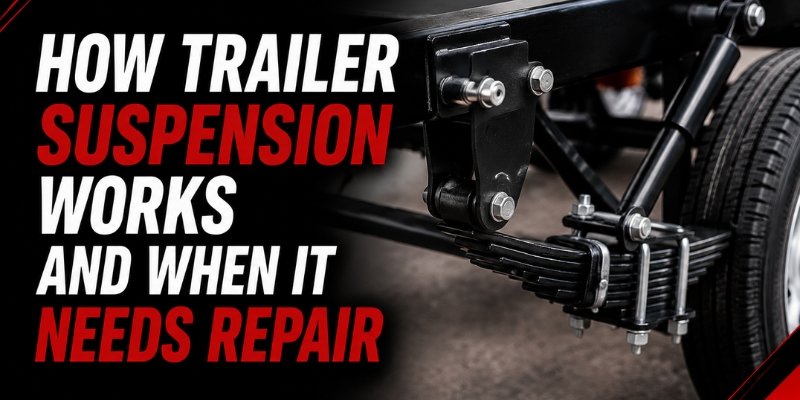
The tricky part is that several faults can sound similar. A worn bearing can rumble. A brake shoe can scrape. A tyre with uneven wear can hum. A loose wheel can knock. That is why the wheel area should be inspected as a system rather than blaming one part immediately.
According to Transport Victoria’s roadworthiness guidance, a roadworthy inspection checks safety-related areas such as wheels and tyres, suspension, brakes, lights, reflectors and vehicle structure. That supports the practical approach of checking the full running gear when a trailer starts making noise.
Rotating-noise comparison table
Sound pattern | Bearing possibility | Other possible causes |
Noise increases with speed | High | Tyre wear, wheel issue, hub problem |
Noise changes while cornering | Medium to high | Load shift, tyre scrub, suspension movement |
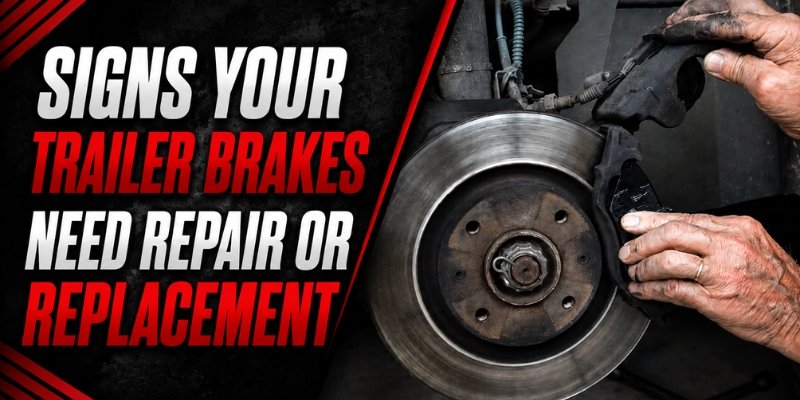
Noise only while braking | Medium | Brake shoes, drums, magnets, hydraulic brake fault |
Noise after rough road | Medium | Loose U-bolts, suspension bushes, ramp hardware |
Noise with hot hub | High | Brake drag or bearing friction |
Noise with grease leakage | High | Seal failure or bearing contamination |
Noise with wheel wobble | High | Loose bearings, wheel nuts or hub damage |
Noise only over bumps | Lower | Coupling, suspension, load, chains or loose panels |
For business trailers, do not keep using the trailer until the noise becomes obvious. Bearings can deteriorate quickly once lubrication is poor, contamination gets in or adjustment is wrong.
What other trailer noises can sound like bearing problems?
Several trailer noises can mimic bearing problems, including brake scrape, suspension clunks, loose coupling movement, tyre rub, chain slap, ramp rattle, toolbox vibration, mudguard contact, worn bushes and shifting cargo inside the trailer.
A good diagnosis starts with the sound pattern. Wheel-speed noises point toward bearings, tyres, hubs or brakes. Bump-related noises point toward suspension, body hardware, coupling or load movement. Braking-only noises point toward brakes or coupling shock.
Common trailer noise causes
Noise type | Likely area | What to check |
Clunk over bumps | Suspension, coupling or loose load | Shackles, bushes, coupling, chains, toolbox and ramps |
Scraping while turning | Mudguard, tyre, brake or suspension sag | Tyre clearance, guards and brake backing plate |
Rattle at low speed | Chains, ramps, cages, tailgate or panels | Secure all loose hardware before towing |
Squeal while braking | Brake shoes, drums or dust | Brake system inspection |
Humming on smooth roads | Bearings, tyres or wheel balance | Hub heat, tyre wear and wheel condition |
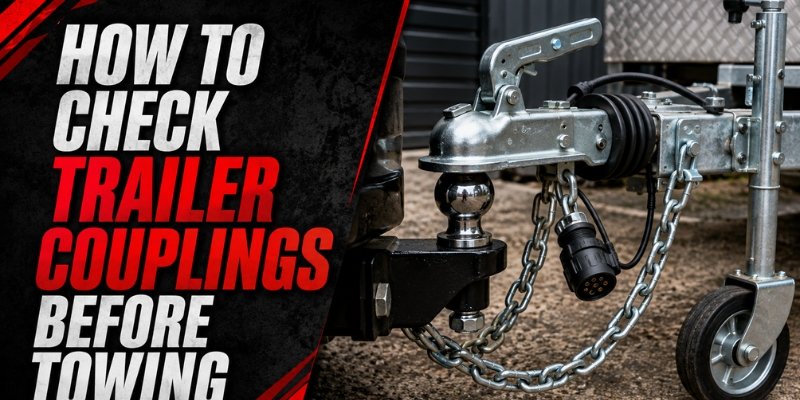
Bang when stopping | Coupling, brakes or shifting load | Coupling fit, brake grab and load restraint |
Metallic ticking | Wheel nuts, brake hardware or bearing issue | Stop and inspect wheel area |
Vibration through tray or cabin | Tyres, bearings, suspension or load balance | Check running gear and load position |
According to the National Transport Commission’s Load Restraint Guide for Light Vehicles, loads must be properly restrained, not exceed mass limits, not overhang dangerously and not cover lights, indicators, reflectors or number plates. A shifting load can create noise and also stress tyres, brakes, suspension and bearings.
A realistic scenario is a landscaper towing mowers and green waste. A loud clunk starts after leaving a job. The first suspicion may be a bearing, but the real cause could be a loose ramp pin or shifting mower. Still, the safe process is to stop, inspect the load and then check each wheel area before continuing.
How can owners check trailer bearings before towing?
Owners can check trailer bearings by listening for wheel noise, comparing hub temperature, looking for grease leakage, checking wheel play, inspecting dust caps and noticing vibration. These checks help identify risk before towing, but they do not replace workshop servicing.
Bearing checks should be done before long trips, after storage, after boat-ramp use, after rough worksites and whenever a new wheel noise appears. If the trailer carries business loads, tools, machinery, soil, stock equipment or vehicles, the inspection should be stricter.
10-minute trailer bearing check
- Park on level ground and secure the trailer: a stable trailer makes wheel and hub checks safer.
- Walk around and look for grease leakage: fresh grease around the hub, rim or dust cap can indicate seal or bearing trouble.
- Check dust caps are fitted: missing caps allow water, dust and grit to reach the bearing area.
- Spin each wheel if safely lifted: grinding, roughness or resistance can point to bearing, brake or hub issues.
- Rock the wheel top-to-bottom: movement can indicate bearing play, wheel-nut issues or hub damage.
- Compare hub temperature after a short tow: one hub much hotter than the others needs inspection.
- Listen during a slow test drive: rumbling, humming or growling from one side should not be ignored.
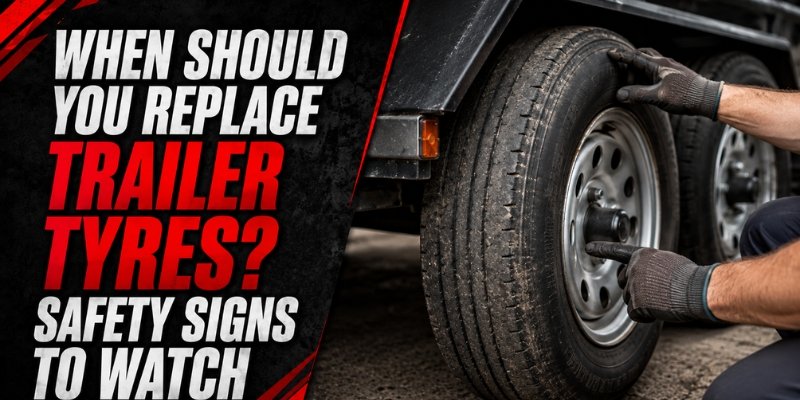
- Check tyre wear at the same time: uneven wear can overlap with bearing, axle, suspension or brake faults.
- Recheck after 10 to 20 kilometres: heat and noise often appear once the trailer is loaded and moving.
- Stop if the wheel feels loose or hot: continuing can damage the hub, spindle, brake assembly or axle.
Halco’s how to change trailer wheel bearings article can support owners who want to understand the bearing assembly, but noisy or hot bearings should be assessed carefully before the trailer is used under load.
When does trailer bearing noise mean stop towing?
Trailer bearing noise means stop towing when it is loud, worsening, paired with hub heat, wheel wobble, grease leakage, burning smell, vibration, grinding or pulling. Loaded towing can turn a bearing fault into hub, axle or wheel failure.
Do not judge the risk only by distance. A “short drive home” can still involve speed, braking, turning, rough surfaces and traffic. If the bearing is already hot or loose, continuing may create a much more expensive repair.
Stop-towing decision table
Warning sign | Why it is serious | What to do |
Loud grinding | Metal contact or hub/brake damage | Stop towing and arrange inspection |
Hot hub | Bearing friction or brake drag | Let it cool and book repair |
Wheel wobble | Bearing play, loose wheel or hub damage | Do not tow loaded |
Grease leaking from hub | Seal failure or overheat | Inspect bearing and seal |
Burning smell | Heat from brake drag or bearing failure | Stop before damage spreads |
Noise getting louder | Progressive wear | Avoid highway towing |
Vibration increasing with speed | Bearing, tyre or wheel issue | Inspect running gear |
Wheel feels loose when rocked | Bearing or wheel hardware fault | Do not continue |
Trailer pulls to one side | Brake, bearing, tyre or load issue | Stop and diagnose |
Smoke near wheel | Severe heat or friction | Stop immediately and arrange recovery |
TTC Adelaide’s bearing warning article highlights unusual wheel noise, wheel play, excessive hub heat, grease contamination and vibration as signs that trailer bearings need attention. That matches the practical owner rule: noise plus heat, play or grease leakage is not a “monitor it later” problem.
How do trailer bearings fail on work trailers?
Trailer bearings fail when grease breaks down, water or dirt enters, seals fail, bearings are over-tightened, bearings are too loose, loads are excessive, hubs overheat, trailers sit unused or rough roads repeatedly shock the wheel assembly.
Work trailers are hard on bearings because they often combine weight, vibration and stop-start driving. A farm trailer may sit for weeks, then carry a heavy load across rough tracks. A tradesman trailer may do short urban trips every day. A landscaping trailer may see wet material, dust, mud and frequent reversing.
Bearing failure cause table
Cause | What happens | Example |
Dry grease | Friction and heat increase | Trailer stored too long without service |
Water contamination | Grease loses protection | Boat trailer or wet jobsite use |
Dirt or grit entry | Bearing surfaces wear quickly | Missing dust cap or failed seal |
Over-tight adjustment | Bearing runs hot | Hub heats after short trip |
Loose adjustment | Wheel play and vibration | Wheel rocks when jacked |
Overloading | Higher pressure on bearings | Soil, machinery or tools above practical limit |
Brake drag | Heat transfers through hub | One wheel much hotter than others |
Rough roads | Shock loads damage hardware | Farm tracks, gravel roads, construction sites |
Long storage | Corrosion and grease separation | Trailer parked outside for months |
Wrong or poor-quality parts | Poor fit or short life | Incorrect bearing kit fitted |
Halco can inspect applicable trailer bearings and hubs for wear, movement, lubrication issues and damage. Depending on condition, work may include adjustment, cleaning, lubrication or repacking, seal replacement, bearing replacement or hub assessment.
When should noisy trailer bearings be repacked, repaired or replaced?
Noisy trailer bearings may need repacking when grease is old but parts are healthy, repair when seals or adjustment are wrong, and replacement when bearings, races, hubs or spindles show wear, heat damage, pitting or movement.
The correct decision comes after inspection. Repacking a damaged bearing is not a repair. Replacing bearings without checking the seal, race, hub and spindle can miss the cause. Tightening a noisy hub can make heat worse if the bearing is already damaged.
Repack, repair or replace table
Finding | Best next step | Why |
Old grease, no damage | Repack | Fresh lubrication restores protection |
Missing dust cap | Clean, inspect and refit cap | Contamination risk is high |
Damaged seal | Replace seal and inspect bearing | Grease leakage can return |
Slight play but no damage | Adjust and inspect | Incorrect adjustment can create noise |
Pitted bearing | Replace | Surface damage will keep worsening |
Blue or discoloured bearing | Replace and inspect hub | Heat damage reduces reliability |
Damaged race | Replace race and bearing | New bearing on bad race fails early |
Worn spindle | Professional repair assessment | Bearing replacement alone may not solve it |
Hot hub plus grinding | Full hub and brake inspection | Damage may extend beyond the bearing |
Repeated bearing failure | Diagnose load, axle, hub and brake causes | The root cause may be outside the bearing |
For owners travelling from Melbourne, Gippsland or regional Victoria, Halco’s trailer repair page advises contacting the Warragul workshop before travelling and not towing if the condition of brakes, wheels, bearings, coupling, tyres, chassis or drawbar may make transport unsafe.
How often should trailer bearings be serviced?
Trailer bearings should be checked before major trips, after storage and during regular trailer servicing. Work trailers, boat trailers, farm trailers and trailers used on rough roads may need bearing checks more often than occasional household trailers.
A yearly check may be enough for light use in good conditions, but commercial and wet-use trailers often need shorter intervals. The service schedule should match use, not just the calendar.
Bearing service frequency guide
Trailer use | Owner check | Workshop service guide |
Occasional household trailer | Before every trip | Yearly or before a long trip |
Tradie trailer | Weekly and before heavy jobs | Every 6 to 12 months depending on use |
Landscaping trailer | Before loaded wet runs | Before peak season and after heavy muddy use |
Farm trailer | Before road towing | After rough paddock use or long storage |
Boat trailer | Before and after water exposure | More frequent checks due to water and corrosion |
Tandem work trailer | Before loaded towing | More often because more hubs and bearings are involved |
Plant trailer | Before each machinery move | Based on machine weight, distance and road conditions |
Stored trailer | Before reuse | Before road towing after months unused |
Fleet trailer | Recorded checks | Planned service schedule by load and fault history |
Halco’s trailer servicing support includes brakes, bearings, axles, suspension, electrical systems, lighting, hydraulic equipment and structural components. For business trailers, bearing checks should be planned with brake, tyre and suspension checks rather than handled separately.
How much can trailer bearing repair cost in Australia?
Trailer bearing repair cost depends on axle count, bearing size, hub condition, seal condition, grease contamination, brake overlap, spindle damage, parts availability and whether the trailer can be safely brought to the workshop.
A simple bearing repack is very different from a failed bearing that has damaged the hub, spindle, brakes or wheel hardware. The earlier you act on bearing noise, the easier the repair is usually likely to be.
Cost factor table
Cost factor | Why it changes the repair |
Single axle vs tandem axle | More wheels means more bearings and labour |
Repack vs replacement | Cleaning and greasing differs from fitting new parts |
Seal condition | Failed seals can contaminate new grease quickly |
Hub damage | Damaged hubs add parts and inspection time |
Spindle wear | May require specialist assessment |
Brake system overlap | Brake drums, magnets or hardware may need inspection |
Water or dirt contamination | Cleaning and damage assessment take longer |
Parts availability | Standard trailer parts are easier to source |
Roadside failure | Recovery and emergency work increase cost |
Business downtime | Missed jobs may cost more than planned servicing |
For work trailers, early bearing noise is best treated as a maintenance signal, not an inconvenience. A planned inspection is usually cheaper than a seized hub during a loaded weekday run.
Conclusion
Trailer bearing noise is one of the most important trailer sounds to investigate because grinding, rumbling, heat, wobble and grease leakage can lead to serious wheel, hub, brake or axle damage.
For trailer owners across Warragul, Melbourne, Gippsland and regional Victoria, Halco Trailers can help with trailer repair, trailer servicing, trailer bearings and suitable trailer parts. If your trailer is noisy near one wheel, book an inspection before the next loaded trip.
FAQ'S
Is trailer bearing noise dangerous?
Yes, especially when it comes with heat, wheel wobble, grease leakage, vibration or grinding. A faint hum may seem minor, but bearing faults can worsen under load and speed. Stop loaded towing and arrange inspection if the noise comes from one wheel area.
Can I drive with a noisy trailer bearing?
No, not if the noise is loud, worsening or paired with heat, play, smoke, vibration or grease leakage. A short unloaded move may be possible only after inspection confirms it is safe. When unsure, arrange recovery or professional advice before towing.
What does a bad trailer bearing sound like?
A bad trailer bearing commonly sounds like grinding, growling, rumbling, humming or rough rotation from the wheel area. The sound may increase with speed or change when cornering. Brake scrape, tyre noise and loose hardware can sound similar, so check the full wheel area.
Why is one trailer hub hotter than the others?
One hot hub can point to bearing friction, brake drag, poor adjustment, overload or a hub problem. Compare hubs carefully after a short tow, but avoid touching very hot components. If one hub is clearly hotter, stop towing and book an inspection.
Should I repack or replace noisy trailer bearings?
It depends on condition. Bearings with clean surfaces and old grease may be repacked, but noisy, pitted, discoloured, loose or heat-damaged bearings should usually be replaced. The seal, race, hub and spindle should also be inspected so the fault does not return.
Can trailer brakes make the same noise as bearings?
Yes, brake scrape, drag, worn shoes, drum damage or loose brake hardware can sound like bearing noise. Brake faults can also create hub heat, which makes diagnosis harder. Check brakes and bearings together when the noise comes from the wheel area.
How often should trailer bearings be checked?
Check bearings before long trips, after storage and whenever a new wheel noise appears. Work trailers, farm trailers, boat trailers, plant trailers and tandem trailers should be checked more often because weight, water, dust and rough roads increase bearing stress.