
By Halco Trailers Team, Trailer Manufacturing / Safety Specialist
Published: 29 August 2026
This trailer rust prevention guide explains how to reduce corrosion through cleaning, drying, inspection, coating care, storage, drainage and timely trailer servicing. Act early because surface rust can become structural damage around frames, drawbars, brackets and suspension mounts.
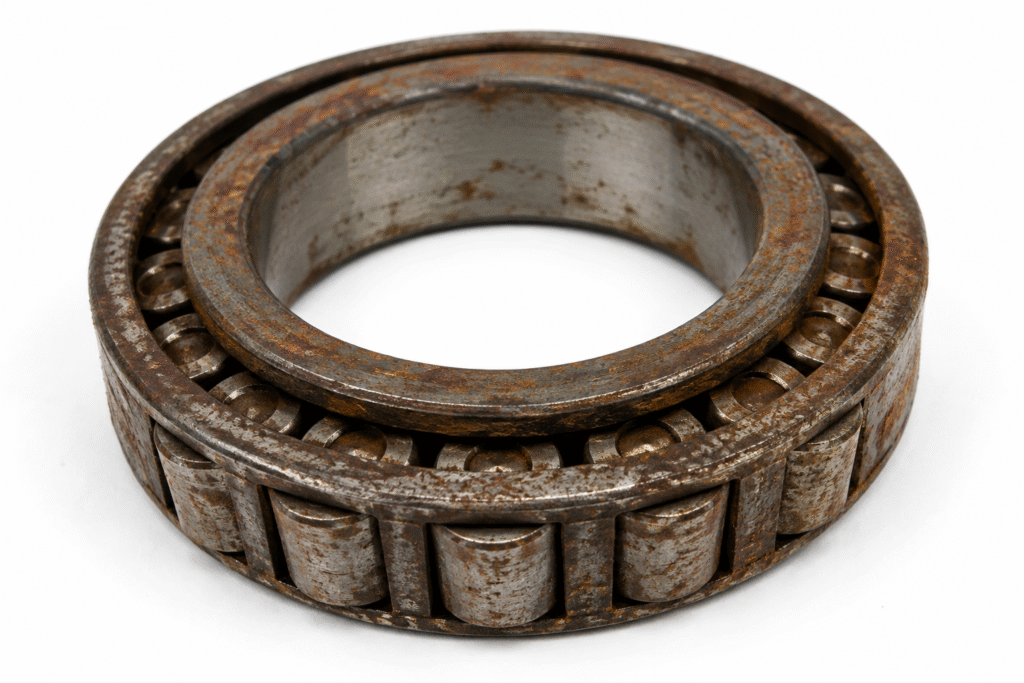
Rust does not usually destroy a trailer overnight. It starts where water, mud, salt, chemicals, scratches and trapped debris sit against steel. By the time a cross-member, spring hanger or drawbar looks badly corroded, the problem may already be deeper than a quick paint touch-up.
For tradies, contractors, landscapers, farmers, automotive businesses, tiny house builders and small business owners, trailer rust prevention protects more than appearance. It helps reduce downtime, repair cost, safety risk and early trailer replacement.
Use this trailer rust prevention guide to understand where rust starts, how to slow it down, when trailer rust repair is needed and how regular trailer maintenance keeps a work trailer useful for longer.
Where does trailer rust usually start?
Trailer rust usually starts where moisture and debris stay trapped: chassis rails, cross-members, drawbars, welds, spring hangers, brackets, floor seams, mudguards, ramps, hinges, latches, brake hardware, wiring mounts and areas hit by stones or loading equipment.
The worst areas are often underneath the trailer, not on the visible side panels. Mud packs around brackets. Wet grass sits under floors. Gravel chips painted steel. Fertiliser, soil, concrete slurry and coastal spray sit in seams. The rust then spreads from the hidden edge outward.
Common rust-start locations
Trailer area | Why rust starts there | What to check |
Drawbar | Stone chips, water spray and towing stress | Rust bubbles, cracks, deep pitting |
Chassis rails | Moisture sits inside edges and joins | Flaking paint, swelling, scale |
Cross-members | Road spray and trapped dirt | Underside rust and weld edges |
Spring hangers | Mud, load stress and weld heat areas | Cracks, rust trails, thin metal |
Mudguards | Stone chips and wet debris | Bare metal, sharp edges, loose mounts |
Ramps and hinges | Dirt, wet loading and repeated movement | Seized pins, rust at hinge plates |
Floor seams | Water and organic material get trapped | Soft spots, stains, bubbling |
Coupling mounts | Towing movement and chipped paint | Movement, pitting, cracked coating |
Light brackets | Wiring holes and water exposure | Corroded screws and terminals |
Brake parts | Heat, water and road grime | Rust, drag, seized parts |
A landscaper carrying wet mulch, a farmer moving fencing gear, or a tradie leaving a trailer outside through winter will see different rust patterns. The common theme is moisture plus time.
How often should owners clean trailers to prevent rust?
Clean a trailer after wet, muddy, coastal, fertiliser, farm, concrete or salt exposure, and inspect it before storage. Light-use trailers may need monthly checks, while work trailers should be cleaned and inspected after messy or corrosive jobs.
There is no useful “one wash per year” rule. The right cleaning schedule depends on what the trailer carried, where it travelled and how long corrosive material stays on the metal.
According to NSW Department of Primary Industries guidance for recreational waterway users, people should check their vehicle, boat, trailer and gear before entering a waterway and clean them down when departing. That advice is framed for biosecurity, but it also reinforces a practical rust-prevention habit for trailers exposed to water, mud and organic matter.
Cleaning frequency table
Trailer use | Cleaning rhythm | Rust risk focus |
Occasional household trailer | After wet or dirty use | Floor seams, mudguards, lights |
Tradie trailer | Weekly or after muddy sites | Drawbar, chassis, brackets, ramps |
Landscaping trailer | After wet soil, mulch or green waste | Floor, hinges, tipper body, tailgate |
Farm trailer | After paddock, manure, fertiliser or mud exposure | chassis, springs, hangers, floor |
Boat trailer | After saltwater and ramp use | Axles, brakes, fasteners, wiring |
Plant trailer | After construction sites or wet loading | ramps, cross-members, tie-down points |
Car trailer | After rain, road grime or coastal travel | wheel arches, ramps, brake areas |
Tiny house trailer | Before cladding hides access | chassis, wheel arches, welds |
Stored trailer | Before covering or parking long term | dry storage and ventilation |
For work trailers, cleaning should not mean blasting water into every bearing, electrical connection or brake component. Use sensible washing, let the trailer dry properly and inspect areas where mud tends to sit.
What is the best trailer rust prevention routine?
The best trailer rust prevention routine is wash, dry, inspect, remove trapped debris, treat small rust spots, touch up exposed metal, lubricate moving hardware, protect wiring and store the trailer where water can drain and air can circulate.
The routine is simple, but consistency matters. Rust prevention fails when owners wash only the visible panels and ignore the underside, mounts, seams and moving parts.
10-step rust prevention process
- Rinse off mud, salt and organic debris: these materials hold moisture against steel and speed up corrosion.
- Clean underneath the trailer carefully: rust often starts around cross-members, hangers, brackets and floor edges.
- Let the trailer dry before storage: covering a wet trailer can trap moisture and make corrosion worse.
- Remove packed debris from corners and seams: wet soil, mulch and grass can sit in hidden areas for days.
- Inspect chips and scratches after loading: ramps, shovels, machinery and loose tools often expose bare metal.
- Sand small surface-rust spots early: rust treatment works better before metal becomes flaky or deeply pitted.
- Use suitable primer and topcoat on exposed steel: bare metal should not be left open to weather.
- Check moving hardware and hinges: rust around pins, latches and ramps can make the trailer unsafe to operate.
- Protect wiring and terminals from corrosion: corroded plugs and earth points can cause light and brake faults.
- Schedule inspection during trailer servicing: a workshop can see whether rust is cosmetic, mechanical or structural.
A realistic example is a hydraulic tipper used for wet soil. The owner rinses the tray but forgets the tailgate hinges, underside brackets and chassis around the pivot areas. Six months later the moving hardware is stiff, paint is bubbling and rust is visible around welds. The cleaning habit was good, but the inspection area was too narrow.
How do coatings, galvanising and paint protect trailers?
Coatings protect trailers by separating steel from moisture and oxygen. Paint, powder coating, galvanising and corrosion-inhibiting products can all help, but protection depends on surface preparation, coating condition, drainage, damage repair and ongoing maintenance.
No coating makes a trailer maintenance-free. Galvanising can protect steel well, but damaged areas, cut edges, incompatible repairs and trapped moisture still need attention. Paint and powder coating look tidy, but stone chips and scratches must be touched up.
According to the Australian Steel Institute’s corrosion protection guidance, protective coatings are widely recognised as a cost-effective method of inhibiting corrosion of structural steel, and AS/NZS 2312 provides the technical basis for selecting coating systems for the intended corrosion environment.
Coating comparison table
Protection type | Best suited to | Main advantage | Watch-out |
Painted steel | General work trailers and repairs | Affordable and easy to touch up | Chips need fast repair |
Powder coating | New trailer finishes and clean presentation | Durable, tidy finish | Damage can let rust creep underneath |
Galvanised steel | Wet, coastal, farm and heavy-use conditions | Strong corrosion resistance | Still needs cleaning and inspection |
Zinc-rich primer | Bare steel repair areas | Helpful base for exposed metal | Surface prep matters |
Rust converter | Light surface rust after preparation | Converts minor rust before repainting | Not a fix for structural corrosion |
Lanolin-style inhibitor | Exposed underbody areas and fasteners | Helps repel moisture | Needs reapplication and correct use |
Cavity wax / internal protection | Hollow sections and inaccessible edges | Helps hidden areas | Must not block drainage |
Stainless hardware | Exposed fasteners and accessories | Better corrosion resistance | Compatibility and cost need checking |
If the trailer is new, ask what finish it has and how to maintain it. If the trailer is older, inspect the coating before deciding whether touch-up, rust treatment or structural repair is needed.
When does surface rust become a repair problem?
Surface rust becomes a repair problem when it spreads, flakes, pits deeply, creates holes, weakens brackets, reaches welds, affects suspension mounts, damages the drawbar or appears around load-bearing chassis sections. Structural rust should be inspected professionally.
Light orange staining on an exposed bolt is different from deep scaling on a spring hanger. A small paint chip on a mudguard is different from corrosion around a drawbar weld. The location matters as much as the size.
According to the Department of Infrastructure’s VSB 1 page, low ATM trailers are expected to comply with applicable Australian Design Rules, and VSB 1 assists manufacturers with ADR requirements for common trailer types. For owners, that makes structural condition and safety-related repair quality important, especially around chassis, drawbar and coupling areas.
Surface rust vs repair-risk table
Rust type | Typical meaning | Safer action |
Light surface rust on bolt heads | Early cosmetic corrosion | Clean, treat and monitor |
Small paint chip with orange staining | Coating damage | Sand, prime and repaint |
Rust bubbling under paint | Rust may be spreading under coating | Strip back and treat properly |
Flaking scale on chassis | Metal loss may be starting | Book inspection |
Rust around welds | Stress and corrosion risk | Inspect before loaded towing |
Deep pitting near drawbar | Possible structural concern | Do not ignore; workshop assessment |
Rusted spring hanger or bracket | Load-support risk | Arrange repair assessment |
Holes in frame or floor support | Structural or load-support problem | Do not tow loaded |
Seized hinges or latches | Operation and safety issue | Repair or replace affected parts |
Corroded wiring terminals | Lighting or brake fault risk | Repair during servicing |
Do not cover serious rust with thick paint and call it fixed. Paint can hide a problem long enough for the next owner, driver or worker to inherit the risk.
How should different trailer owners manage corrosion risk?
Different trailer owners need different rust-prevention habits because moisture, load type, storage and road conditions change corrosion risk. The best plan matches the trailer’s real job, not just the trailer’s age or appearance.
A small business trailer often works harder than it looks. It may carry wet tools, plant, mowers, soil, stock feed, parts or timber, then sit outside overnight. Each load brings a different corrosion risk.
Owner-specific rust prevention table
Owner type | Main corrosion risk | Practical habit |
Tradies and contractors | Site mud, rain, scratches and tool damage | Weekly underside check and touch-up exposed steel |
Landscapers | Wet soil, mulch, fertiliser and green waste | Wash tray, hinges, tailgate and underside after wet loads |
Construction companies | concrete dust, rubble and site impacts | Clean impact areas and inspect welds/brackets |
Farmers and rural owners | mud, manure, fertiliser and paddock water | Clean after corrosive loads and check spring mounts |
Automotive businesses | ramps, tiedowns and road grime | Inspect ramps, wheel tracks and tie-down points |
Homeowners and DIY users | long storage and infrequent checks | Store dry and inspect before seasonal use |
Tiny house builders | chassis hidden by future build work | treat and inspect before floor/wall access is closed |
Fleet operators | many users and delayed fault reporting | record rust spots and schedule repairs early |
Boat trailer owners | saltwater and ramp exposure | rinse after launch and inspect brakes/axles/wiring |
For a tiny house trailer, corrosion prevention is especially important before the build covers the chassis. Once walls, insulation, plumbing and cladding are added, access to frame areas may become harder.
What trailer parts need the closest rust inspection?
The closest rust inspection should focus on load-bearing, moving and safety-related parts: drawbar, chassis, cross-members, spring hangers, axles, suspension mounts, coupling areas, safety chains, brake hardware, ramps, hinges, tie-down points and wiring brackets.
Cosmetic rust on a panel may be annoying, but rust around structural or mechanical areas is more serious. A rusty bracket can affect load support. A corroded terminal can affect lights. A seized hinge can make loading unsafe.
Rust-prone parts checklist
Part | What to look for | Why it matters |
Drawbar | deep pitting, cracks, bubbling, rust at welds | Carries towing forces |
Coupling mount | rust, movement, worn fasteners | Keeps trailer connected |
Chassis rails | flaking scale, swelling, holes | Main structure of the trailer |
Cross-members | underside corrosion, weld rust | Supports floor and load |
Spring hangers | cracks, rust trails, thinning | Holds suspension hardware |
Axles | pitting, bent areas, surface scale | Affects wheels and tracking |
Safety chains | rusted links, wear, drag marks | Backup connection if coupling fails |
Brakes | corrosion, drag, seized parts | Affects stopping and heat |
Bearings and hubs | water entry, rust marks, heat | Can cause roadside failure |
Lights and wiring | corroded terminals and screws | Affects visibility and signals |
Ramps and hinges | stiffness, seized pins, broken welds | Affects loading safety |
Tie-down points | rust at welds or bolts | Holds load in place |
Halco’s trailer parts, repairs and servicing page lists structural areas such as chassis sections, drawbars, cross-members, brackets, mounting points, body supports and coupling areas among applicable welding and structural repair areas. It also notes that corrosion around structural areas is a warning sign that a trailer may need workshop assessment.
When should you book trailer rust repair or servicing?
Book trailer rust repair or servicing when rust appears around structural areas, keeps returning, reaches welds, creates holes, seizes moving parts, damages wiring, affects brakes or appears before registration, sale, heavy work use or long-distance towing.
Do not wait until rust is everywhere. Early rust treatment is usually simpler than cutting, welding, replacing brackets or retiring a trailer that has become unsafe or uneconomical.
Rust service decision table
Situation | Best next step | Why |
Small chip on mudguard | Clean, prime and touch up | Prevents spread |
Light rust on bolt heads | Clean and monitor | Low risk if isolated |
Rust under bubbling paint | Strip back and inspect | Rust may have spread underneath |
Corrosion around drawbar | Book workshop inspection | Towing loads pass through this area |
Rusted spring hanger | Book repair assessment | Suspension support may be affected |
Seized ramp hinge | Repair or replace hardware | Loading safety can suffer |
Rust near brake components | Inspect during servicing | Corrosion may affect operation |
Corroded wiring terminals | Electrical repair | Lights and brakes may be affected |
Rust holes in frame | Stop loaded towing | Structural integrity may be compromised |
Repeated rust after touch-up | Diagnose drainage or coating issue | The cause may not be fixed |
Halco can assist with trailer rust repair, trailer repair, trailer maintenance and trailer servicing from its Warragul workshop, subject to inspection findings, repair suitability and parts availability.
How much can trailer rust repair cost in Australia?
Trailer rust repair costs depend on rust depth, location, access, coating type, welding needs, parts availability and whether corrosion has affected structural, suspension, brake, wiring or hydraulic components. Inspection should come before final pricing.
A small clean-and-touch-up job is different from replacing a cross-member, bracket, ramp hinge or drawbar section. Rust near safety-related components requires more care than cosmetic rust on a panel.
Rust repair cost factor table
Cost factor | Why it changes the price |
Surface vs structural rust | Structural areas need stronger assessment and repair |
Location of rust | Hidden underside areas take longer to access |
Coating type | Painted, powder-coated and galvanised surfaces need different treatment |
Welding required | Cutting and replacing metal adds labour |
Parts needed | Hinges, latches, chains, lights or brackets may need replacement |
Brake or wiring impact | Rust may create mechanical or electrical faults |
Trailer size | Larger trailers have more surface area and access points |
Previous repairs | Poor old repairs can increase preparation time |
Business urgency | Faster turnaround depends on workshop and parts availability |
Repair vs replacement decision | Severe rust may make replacement more practical |
For businesses, the real cost is downtime. A landscaper missing a full day because a rusty ramp hinge fails, or a farmer delaying transport because a spring hanger needs repair, may lose more than the repair invoice itself.
Conclusion
Use this trailer rust prevention guide as a maintenance routine: clean after corrosive use, dry before storage, inspect hidden areas, repair coating damage early and book professional help when rust reaches structural or moving parts.
For trailer owners across Warragul, Melbourne, Gippsland and regional Victoria, Halco Trailers can help with trailer rust repair, trailer repair, trailer maintenance and trailer servicing. If your trailer shows bubbling paint, flaking metal, seized hinges, corroded wiring or rust around the chassis, book an inspection before the next loaded trip.