

By Halco Trailers Team, Trailer Manufacturing / Safety Specialist
Published: 29 September 2026
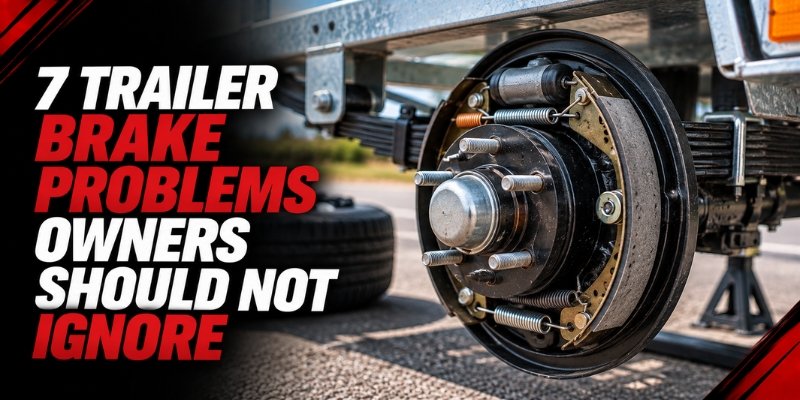
Trailer brake problems can range from weak braking and uneven stopping to electrical faults, brake drag, overheating and wheel lock-up. Ignoring these issues can increase stopping distances, damage components and make a loaded trailer harder to control.
For tradies, contractors, landscapers, farmers, automotive businesses and homeowners, trailer brakes work under very different conditions. A trailer carrying tools around Melbourne is not stressed in the same way as a plant trailer carrying machinery across regional roads or a tandem trailer loaded with equipment.
The important question is not simply whether your trailer has brakes. It is whether those brakes are responding consistently and providing the stopping performance your trailer requires.
This guide explains seven common trailer brake problems, what can cause them, what owners can check and when professional inspection is the safer option.
Table of contents
- What are the seven trailer brake problems owners should not ignore?
- 1. Trailer brakes are weak or slow to respond
- 2. Electric trailer brakes stop working intermittently
- 3. Trailer brakes lock up unexpectedly
- 4. Trailer brakes drag or overheat
- 5. Trailer pulls to one side while braking
- 6. Trailer brakes make grinding or unusual noises
- 7. Brake controller warnings keep appearing
- What trailer brake inspection signs should owners look for?
- What causes common trailer brake problems?
- How should trailer brake maintenance be handled?
- When do trailer brakes need attention from a professional?
- What Australian brake requirements should trailer owners know?
- Conclusion
- FAQs
What are the seven trailer brake problems owners should not ignore?
The seven trailer brake problems owners should not ignore are weak braking, intermittent electric brake operation, wheel lock-up, brake drag, uneven braking, grinding noises and repeated brake-controller warnings. Each can indicate wear, adjustment, electrical or mechanical faults.
|
Problem |
Common cause |
Risk if ignored |
Recommended action |
|
Weak braking |
Wear, adjustment, wiring or controller issue |
Longer stopping distance |
Inspect before loaded towing |
|
Intermittent electric brakes |
Plug, wiring, earth or magnet fault |
Braking may disappear unexpectedly |
Diagnose electrical system |
|
Wheel lock-up |
Controller gain, adjustment or mechanical fault |
Loss of stability or tyre damage |
Check settings and brake system |
|
Brake drag |
Seized components, adjustment or contamination |
Heat and component damage |
Stop and inspect |
|
Pulling to one side |
Uneven brake force or running-gear issue |
Poor control during braking |
Inspect both sides |
|
Grinding noise |
Worn shoes, drums or hardware |
Rapid component damage |
Stop and arrange repair |
|
Controller warnings |
Wiring, connection or brake fault |
Brake performance may be compromised |
Diagnose before continuing |
These symptoms overlap, so fixing the most obvious component is not always enough. A trailer that pulls left, for example, could have uneven brakes, a tyre issue, an axle problem or an incorrectly distributed load.
1. Trailer brakes are weak or slow to respond
Weak or delayed braking is one of the clearest signs that a trailer needs attention. Possible causes include worn brake shoes, poor adjustment, contaminated friction surfaces, weak electric magnets, hydraulic faults, wiring resistance or an incorrectly configured controller.
You may notice the tow vehicle doing most of the stopping, especially when carrying a heavy load. The trailer can also feel as though it continues pushing the vehicle after the tow vehicle brakes are applied.
What to check
|
Check |
What it can reveal |
|
Brake-controller response |
Whether the trailer receives a braking signal |
|
Plug and wiring |
Loose, damaged or corroded connections |
|
Brake adjustment |
Excessive shoe-to-drum clearance |
|
Brake shoes |
Wear, glazing or contamination |
|
Magnets |
Wear or electrical failure on electric brakes |
|
Hydraulic components |
Leaks or poor pressure where fitted |
|
Load |
Whether excessive mass is contributing to stopping difficulty |
Do not compensate for permanently weak brakes simply by increasing controller gain. If the underlying issue is worn friction material, poor wiring or a mechanical fault, increasing the setting does not repair the system.
The Department of Infrastructure’s current Vehicle Standards Bulletin 1 Revision 6 states that trailers exceeding 750 kg GTM must have an efficient service braking system. For trailers over 2,000 kg GTM, braking must operate on all wheels and an emergency breakaway system is required.
2. Electric trailer brakes stop working intermittently
Electric trailer brake problems often come from the connection between the tow vehicle and trailer. Corroded plugs, damaged cables, poor earth connections, loose terminals, faulty magnets or a brake-controller issue can cause braking to work sometimes and disappear at other times.
Intermittent faults are particularly dangerous because the trailer may appear normal during one test and fail during another.
Common electrical fault points
|
Fault area |
Possible symptom |
|
Trailer plug |
Brakes cut in and out |
|
Brake wiring |
Weak or intermittent braking |
|
Earth connection |
Unpredictable brake performance |
|
Brake magnets |
One or more wheels provide weak braking |
|
Controller |
Warning message or no braking output |
|
Damaged cable |
Fault appears when the trailer moves |
|
Corroded terminals |
Increased electrical resistance |
A visual inspection of the plug is a useful starting point. Look for corrosion, bent pins, loose wires, damaged insulation and water entry.
Do not dismantle a brake assembly unless you have the correct tools, lifting equipment and experience. Electrical diagnosis may require testing voltage, continuity and resistance at appropriate points in the system.
Superior Trailer Parts also recommends separating the tow-vehicle side from the trailer side when diagnosing electric brake faults rather than replacing components without establishing where the fault originates.
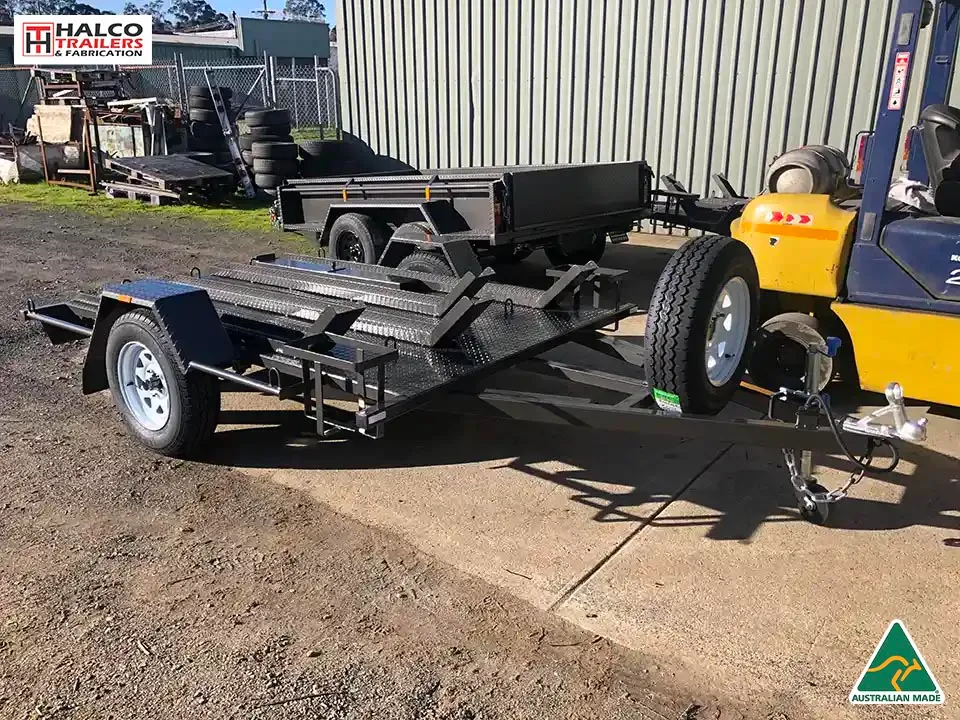
For owners who regularly replace damaged connectors or wiring, suitable trailer parts should match the trailer’s existing brake system and application.
3. Trailer brakes lock up unexpectedly
Trailer brakes locking up can be caused by excessive controller gain, incorrect brake adjustment, electrical faults, contaminated components or a mechanical problem inside the brake assembly.
Locking can happen during light braking or when the trailer is empty. You may feel the trailer jerk, hear tyres skid or notice flat spots developing after repeated incidents.
Trailer brakes locking up causes
|
Possible cause |
What happens |
|
Controller gain too high |
Excessive braking force reaches the trailer |
|
Incorrect controller setup |
Brake response does not match the trailer |
|
Over-adjusted brakes |
Shoes engage too aggressively |
|
Electrical short |
Braking signal can behave abnormally |
|
Contaminated components |
Friction becomes inconsistent |
|
Mechanical fault |
One wheel may brake much harder than others |
|
Uneven adjustment |
Braking force differs between wheels |
Start with the controller settings recommended for your specific system rather than immediately changing mechanical components.
If the brakes continue locking after the controller has been correctly configured, the system needs inspection. Repeated wheel lock-up is not a normal characteristic that should simply be accepted.
4. Trailer brakes drag or overheat
Brake drag occurs when a brake does not release correctly after braking. The result is continuous friction, which can create excessive heat around the brake drum, hub and wheel.
You may notice a burning smell, unusual heat from one wheel, reduced towing performance or a trailer that seems harder to move.
What can cause brake drag?
- Incorrect brake adjustment
- Seized brake hardware
- Damaged return springs
- Faulty electric brake components
- Hydraulic pressure that does not release correctly
- Contaminated or damaged friction surfaces
- Bearing or hub problems that are being mistaken for brake faults
Do not immediately assume that a hot hub is a brake problem. Bearings, tyres and other wheel-end components can also generate heat.
However, if one wheel is significantly hotter than the others after a short journey, treat it as a warning rather than continuing a long loaded trip.
Brake overheating can create a cycle of damage: heat affects friction components, damaged components affect braking consistency, and continued drag creates even more heat.
5. Trailer pulls to one side while braking
A trailer pulling to one side during braking means the braking force may not be balanced. One brake assembly could be working differently from the other, but tyres, bearings, axle alignment, suspension and load distribution can also contribute.
This is especially important on a loaded work trailer because braking forces become greater as the trailer mass increases.
What can cause pulling?
|
Possible cause |
Why it matters |
|
One brake not operating correctly |
Braking force becomes uneven |
|
Uneven shoe wear |
One side may generate less braking force |
|
Contaminated lining |
Friction differs between wheels |
|
Sticking brake component |
One side may drag |
|
Tyre-pressure difference |
Can affect tracking and stability |
|
Axle or suspension issue |
Trailer may not track correctly |
|
Uneven load |
Can alter trailer behaviour under braking |
Do not simply adjust one brake until the trailer feels better. The complete system should be compared so both sides operate appropriately.
The National Transport Commission’s Load Restraint Guide states that loads on light vehicles must be restrained so they remain on the vehicle during normal driving conditions, including heavy braking, and must not negatively affect vehicle stability.
6. Trailer brakes make grinding or unusual noises
Grinding, scraping, severe squealing or metallic sounds during braking should not be ignored. They can indicate worn friction material, damaged drums, loose hardware, contaminated components or another mechanical fault.
A brake that makes noise once after getting wet is different from a brake that repeatedly grinds under normal braking.
Noise and likely cause
|
Noise |
Possible issue |
Recommended response |
|
Grinding |
Worn friction material or damaged drum |
Inspect promptly |
|
Metallic scraping |
Brake hardware contacting drum |
Stop loaded towing |
|
Repeated squealing |
Wear, contamination or vibration |
Inspect brake assembly |
|
Clunk during braking |
Loose or worn hardware |
Check suspension and brakes |
|
Pulsing sensation |
Drum, adjustment or wheel-end issue |
Arrange inspection |
|
Noise after storage |
Corrosion or seized components |
Test and inspect before travel |
Grinding should not be “driven out”. Continuing to tow can turn a replaceable wear component into a damaged drum or hub.
If your trailer is used regularly for work, include brake noise in your driver or operator reporting process so small changes are recorded before they become breakdowns.
7. Brake controller warnings keep appearing
Repeated brake-controller warnings can indicate a problem with the trailer plug, wiring, brake magnets, controller, power supply or electrical connections. A warning that disappears after reconnecting the trailer does not necessarily mean the fault has been fixed.
Common controller warning causes
|
Warning area |
Possible cause |
|
No connection |
Plug, wiring or earth fault |
|
Short circuit |
Damaged wiring or brake component |
|
Intermittent connection |
Corrosion or loose terminal |
|
Weak braking output |
Wiring resistance or brake-component fault |
|
Repeated warning |
Underlying electrical problem |
|
Warning after rain |
Moisture or connector contamination |
Check the plug and visible wiring first. If the warning repeatedly returns, the trailer should be diagnosed rather than repeatedly disconnected and reconnected.
The brake controller is only one part of the system. A functioning controller cannot compensate for worn shoes, damaged drums, failed magnets or other mechanical problems.
What trailer brake inspection signs should owners look for?
Trailer brake inspection signs include weak braking, delayed response, uneven braking, wheel lock-up, dragging, overheating, unusual smells, grinding, controller warnings and visible wear around brake components.
Owners should inspect before towing, especially after long storage, heavy work, rough-road use or repairs.
Quick trailer brake inspection checklist
- Connect the trailer correctly: confirm the coupling and electrical connection are secure.
- Check the plug: look for corrosion, loose pins or damaged wiring.
- Test the controller: confirm it recognises the trailer where applicable.
- Check brake response at low speed: look for weak, delayed or uneven braking.
- Listen for abnormal sounds: grinding or harsh scraping needs attention.
- Check for heat: after a short journey, compare wheel-end temperatures carefully without touching dangerously hot components.
- Look for leaks: hydraulic systems should not show unexplained fluid leakage.
- Inspect tyre wear: unusual wear can point to braking or running-gear problems.
- Check after loading: braking behaviour can change significantly once the trailer is carrying its working load.
- Record recurring faults: repeated symptoms usually deserve proper diagnosis rather than repeated temporary fixes.
Transport Victoria’s roadworthiness requirements include brakes, brake linings, discs and drums, stopping performance and warning devices among the areas assessed in its roadworthiness inspection standards.
What causes common trailer brake problems?
Common trailer brake problems usually come from component wear, incorrect adjustment, electrical faults, corrosion, contamination, heat, poor maintenance, storage, overloaded towing or an unsuitable setup for the trailer’s actual workload.
Cause-and-effect guide
|
Cause |
Brake effect |
|
Wear |
Reduced friction and stopping performance |
|
Poor adjustment |
Weak braking or premature lock-up |
|
Corrosion |
Electrical and mechanical faults |
|
Water and mud |
Contamination and component deterioration |
|
Overheating |
Brake fade and component damage |
|
Overloading |
Greater braking demand and heat |
|
Poor wiring |
Weak or intermittent electric braking |
|
Long storage |
Seized or corroded components |
|
Incorrect controller setup |
Excessive or insufficient braking |
|
Poor load distribution |
Unbalanced braking and towing behaviour |
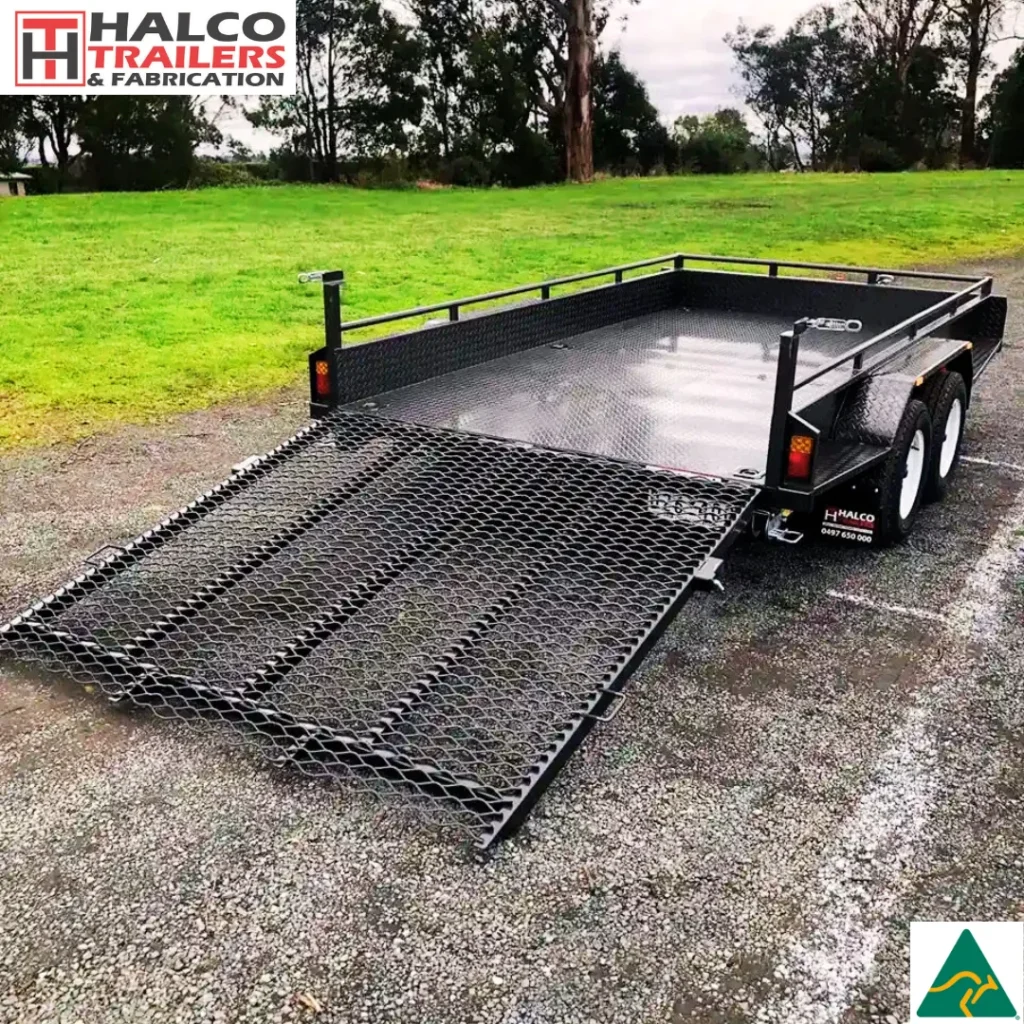
A trailer used by a landscaper may experience wet soil, mud and repeated short trips. A farm trailer may see dust, paddock tracks and long periods of storage. A plant trailer may experience concentrated machinery loads and repeated braking.
Those different operating conditions should influence trailer brake maintenance.
How should trailer brake maintenance be handled?
Trailer brake maintenance should combine pre-trip checks with scheduled servicing. Owners should monitor symptoms while a qualified technician should inspect wear, adjustment, electrical systems, brake assemblies and other safety-critical components when required.
Practical maintenance schedule
|
Check |
Suggested timing |
|
Coupling and electrical connection |
Before every trip |
|
Brake response |
Before loaded towing |
|
Visual brake-system checks |
Regularly |
|
Controller function |
Before towing and after electrical work |
|
Brake wear inspection |
During scheduled servicing |
|
Bearings and hubs |
During scheduled servicing |
|
Brake wiring |
During servicing and whenever faults appear |
|
Hydraulic components |
During servicing and when leaks appear |
|
Full trailer service |
Based on use, load and manufacturer/workshop advice |
Halco’s trailer servicing support can be used when brakes need inspection alongside bearings, suspension, tyres, electrical components and other running gear.
Maintenance should become more frequent when a trailer is used heavily, travels rough roads, carries machinery or operates in wet, dusty or corrosive conditions.
When do trailer brakes need attention from a professional?
Trailer brakes need professional attention when braking is weak, uneven, noisy, overheating, locking unexpectedly, dragging, leaking or producing repeated electrical warnings. Safety-critical brake repairs should not be based on guesswork.
DIY check vs professional inspection
|
Situation |
Owner check |
Professional attention |
|
Dirty external plug |
Yes |
If fault remains |
|
Tyre pressure |
Yes |
If abnormal wear continues |
|
Basic controller check |
Yes |
If warnings persist |
|
Weak braking |
No |
Yes |
|
Brake grinding |
No |
Yes |
|
Hydraulic leak |
No |
Yes |
|
Repeated lock-up |
No |
Yes |
|
Hot wheel/hub |
No |
Yes |
|
Brake wiring fault |
Basic visual check |
Yes for diagnosis/repair |
|
Internal brake wear |
No |
Yes |
If a brake fault affects stopping performance, do not continue towing simply because the trailer still moves.
For Halco customers, the trailer repair service is the appropriate pathway when inspection identifies worn, damaged or unsafe components.
What Australian brake requirements should trailer owners know?
Australian trailer brake requirements depend on the trailer’s GTM, braking system and applicable vehicle standards. Owners should use the requirements applying to their specific trailer rather than assuming every trailer follows the same brake configuration.
The current VSB 1 Revision 6 states that brakes are not required on trailers that do not exceed 750 kg GTM. Trailers exceeding 750 kg GTM must have an efficient service braking system. Up to 2,000 kg GTM, brakes may operate on one axle; over 2,000 kg GTM, brakes must operate on all wheels. Trailers over 2,000 kg GTM must also have an efficient emergency braking system.
These requirements are important when buying, modifying or repairing a trailer because the correct brake components need to suit the trailer’s configuration and applicable standards.
Conclusion
Trailer brake problems should never be treated as minor inconveniences. Weak braking, electrical faults, wheel lock-up, brake drag, pulling, grinding and controller warnings can all indicate problems that affect stopping performance and towing safety.
Regular trailer brake maintenance helps identify issues before they become expensive repairs or roadside failures. If your trailer behaves differently when braking, especially when loaded, inspect the system before your next trip.
Halco Trailers can assist with trailer repair, trailer servicing and suitable trailer parts for applicable trailer systems.