

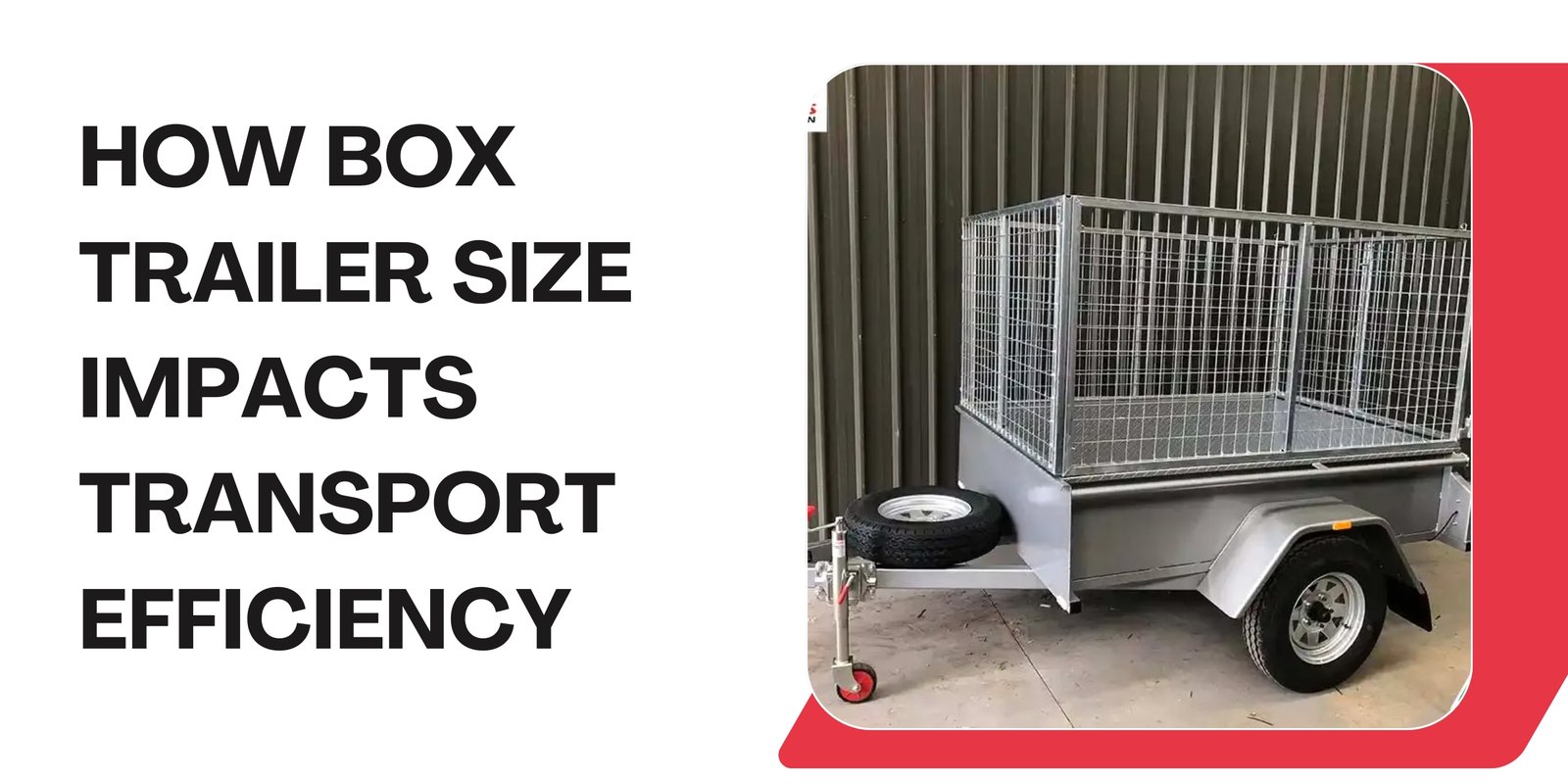
Choosing the right box trailer size is more important than many people realise. Whether you use a trailer for construction work, landscaping, farming, trade services, or general transport, the size of the trailer directly affects transport efficiency, safety, fuel use, and productivity.
Using the wrong trailer size can lead to wasted fuel, unnecessary trips, reduced towing stability, and lower productivity over time.
A trailer that is too small may require extra trips, while a trailer that is too large can become difficult to tow, load, or manoeuvre. Finding the right balance helps improve workflow and reduces unnecessary costs.
For businesses and individuals who regularly move tools, equipment, supplies, or materials, selecting the correct box trailer size can make daily transport smoother, safer, and more practical.
In this guide, we’ll explore how box trailer size impacts transport efficiency, towing performance, loading time, and long-term value.
Why Box Trailer Size Matters
Box trailers are popular because they are practical, versatile, and suitable for many transport tasks. However, trailer size affects far more than just how much you can carry.
The right trailer size influences:
- Load capacity
- Fuel efficiency
- Towing stability
- Road safety
- Loading and unloading time
- Storage and manoeuvrability
- Worksite productivity
Choosing the correct size helps ensure your trailer supports your work instead of slowing it down.
Understanding Common Box Trailer Sizes
Box trailers come in different sizes to suit different transport needs.
Trailer Size | Best For | Main Advantage |
Small box trailer | Household and light-duty use | Easy towing and storage |
Medium box trailer | Trade, landscaping, and general use | Balanced capacity and control |
Large box trailer | Heavy-duty and commercial transport | Higher load capacity |
Smaller Box Trailers
Smaller trailers are commonly used for household transport, gardening supplies, small tools, weekend projects, and light-duty jobs. They are easier to tow, park, and store, making them practical for everyday use.
Medium Box Trailers
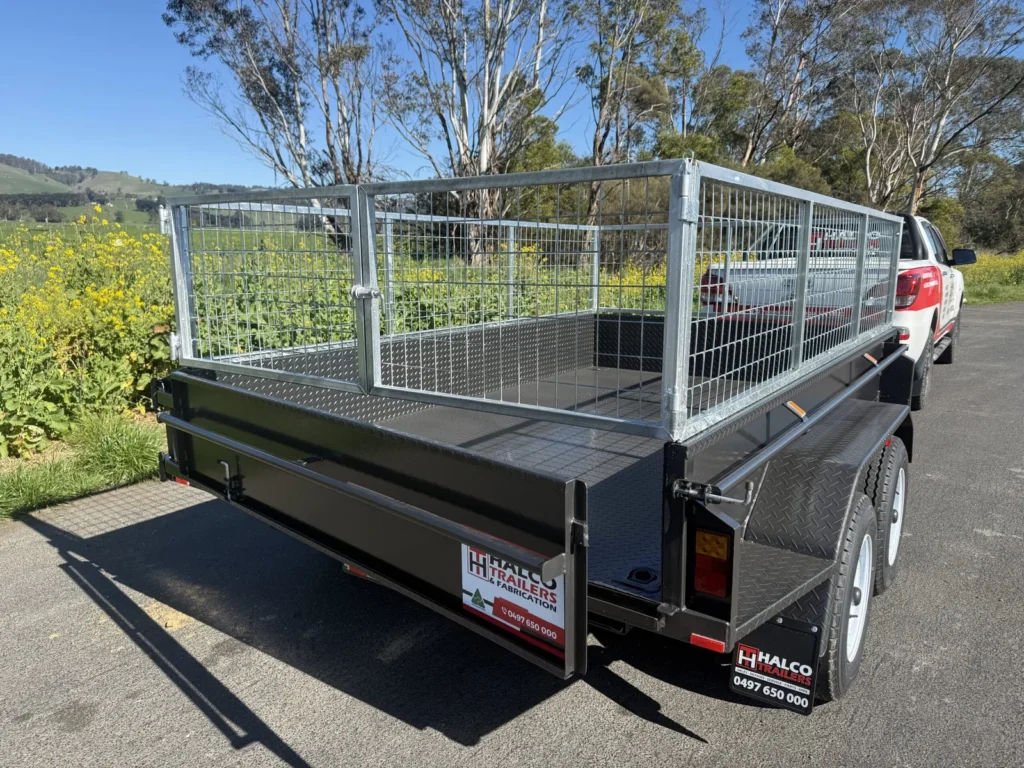
Medium-sized box trailers are suitable for trade services, landscaping businesses, general commercial use, and equipment transport. They offer a strong balance between load capacity and towing convenience.
Large Box Trailers
Larger trailers are designed for heavy equipment, bulk materials, construction work, and high-volume loads. They improve carrying capacity but may need a stronger towing vehicle and more careful handling.
How Box Trailer Size Affects Transport Efficiency
Let’s break down the main ways trailer size influences transport performance and day-to-day efficiency.
1. Load Capacity and Fewer Trips
One of the biggest factors affected by trailer size is load capacity.
A larger box trailer can carry more materials, tools, or equipment in one trip. This reduces the need for multiple journeys, helping save time, fuel, and labour.
Benefits of Proper Load Capacity
- Fewer transport trips
- Reduced fuel costs
- Better time management
- Improved workflow efficiency
- Increased daily productivity
However, using a trailer that is unnecessarily large for small loads may reduce efficiency instead of improving it.
2. Fuel Efficiency and Vehicle Performance
Trailer size directly impacts fuel efficiency. Larger trailers are heavier and create more wind resistance, which can increase fuel consumption.
Oversized trailers can increase fuel consumption and place extra strain on towing vehicles when they are not matched correctly to transport needs.
A trailer that matches your vehicle and workload helps create a better balance between carrying capacity and fuel use.
Factors That Affect Fuel Efficiency
- Trailer weight
- Load size
- Aerodynamics
- Towing speed
- Road conditions
- Vehicle towing capacity
Choosing the right-sized trailer can reduce strain on the engine, brakes, tyres, and suspension.
3. Easier Loading and Unloading
Trailer size can affect how quickly materials are loaded and unloaded.
If a trailer is too small, it can become overcrowded. This makes access difficult and increases unloading time. A properly sized trailer gives you enough space to organise materials safely and efficiently.
Benefits of Better Trailer Space
- Faster loading times
- Easier unloading
- Better organisation
- Reduced risk of damaged cargo
- Safer handling of equipment and materials
Efficient loading and unloading can make a big difference on busy job sites.
4. Improved Towing Stability
Trailer size affects towing stability. A trailer that is too large, overloaded, or poorly balanced can become harder to control, especially on highways, rural roads, or uneven surfaces.
Choosing the correct trailer size helps maintain safer towing and better road handling.
How Proper Sizing Improves Stability
- Better weight distribution
- Reduced trailer sway
- Improved braking performance
- Easier cornering and reversing
- Better control during transport
Correct trailer sizing also reduces unnecessary stress on tyres, suspension, and towing components.
5. Better Manoeuvrability in Tight Spaces
Smaller and medium-sized box trailers are usually easier to manoeuvre in urban areas, worksites, driveways, and narrow roads.
This is especially important for tradespeople and contractors working in residential areas, tight driveways, or crowded worksites.
Why Manoeuvrability Matters
- Easier parking
- Faster worksite access
- Better control in traffic
- Improved safety in confined spaces
- Reduced driver stress
For businesses that move between multiple sites, manoeuvrability can greatly improve daily efficiency.
6. Reduced Wear on Vehicles and Equipment
Using a trailer that is too large for your towing vehicle can increase long-term wear and tear.
It can place extra pressure on:
- Brakes
- Suspension
- Tyres
- Transmission
- Engine components
Matching the trailer size correctly helps reduce maintenance costs and improves towing reliability.
Choosing the Right Box Trailer Size
Choosing the right size depends on your transport requirements, towing vehicle, and frequency of use.
Questions to Consider
- What materials or equipment will you transport?
- How often will you use the trailer?
- What is the average load weight?
- Will you travel long distances?
- Do you need easy manoeuvrability?
- What towing capacity does your vehicle support?
- Do you need extra space for future use?
Answering these questions helps you choose a trailer that suits your workload without being too small or unnecessarily large.
Best Trailer Sizes for Different Industries
Different industries have different transport demands, which means trailer size requirements can vary significantly.
Construction Industry
Construction businesses often need medium to large box trailers for transporting building materials, tools, machinery, equipment, and debris.
Larger trailers can improve efficiency by reducing repeat trips to worksites.
Landscaping Businesses
Landscapers usually benefit from medium-sized trailers with enough space for lawn mowers, green waste, soil, mulch, and gardening equipment.
The right size helps improve organisation and daily workflow.
Trade Services
Electricians, plumbers, builders, and maintenance teams often prefer medium box trailers because they offer a strong balance between storage space and easy towing.
Agriculture and Farming
Farmers may require larger box trailers for feed, fencing materials, equipment, supplies, and produce.
For rural and long-distance transport, load capacity becomes especially important.
Everyday Household Use
For household transport, gardening, tip runs, or occasional moving jobs, smaller trailers are often the most practical and economical choice.
Common Mistakes When Choosing Box Trailer Size
Choosing the wrong trailer size can reduce efficiency and increase costs.
Mistakes to Avoid
- Buying a trailer that is too small
- Choosing an oversized trailer unnecessarily
- Ignoring towing capacity limits
- Underestimating future transport needs
- Overloading the trailer regularly
- Forgetting about storage space
- Not considering manoeuvrability
Avoiding these mistakes helps improve safety, performance, and long-term value.
How Proper Loading Improves Efficiency
Even the right trailer size can become inefficient if loads are not distributed properly.
Safe Loading Tips
- Distribute weight evenly
- Place heavier items near the axle
- Avoid overloading
- Secure cargo properly
- Keep loads low where possible
- Maintain proper tyre pressure
Correct loading improves handling, fuel efficiency, and road safety.
Features That Improve Box Trailer Performance
Beyond size, certain features can also improve transport efficiency.
Useful Features to Consider
- Durable chassis construction
- Reliable braking systems
- High-quality suspension
- Strong tie-down points
- Easy-access tailgates
- Removable sides
- Weather-resistant materials
- Strong floor and side panels
Choosing the right combination of size and features helps maximise trailer performance.
What to Consider Before Buying a Box Trailer
Before buying a box trailer, consider how the trailer will be used now and in the future.
Key Buying Factors
- Trailer size
- Load capacity
- Towing vehicle compatibility
- Suspension setup
- Brake requirements
- Storage space
- Frequency of use
- Type of materials being carried
Choosing the right box trailer from the beginning can improve transport efficiency, reduce operating costs, and support safer towing.
When Should You Upgrade to a Larger Trailer?
You may need a larger box trailer if:
- You regularly exceed load capacity
- You make too many transport trips
- Your business is growing
- You transport bulkier materials
- Current loading space is limited
- Productivity is being affected
Upgrading to the correct trailer size can improve workflow and reduce operating pressure.
Quick Summary
- Box trailer size directly affects transport efficiency
- Larger trailers can reduce repeat trips
- Smaller trailers improve manoeuvrability
- Proper sizing supports fuel efficiency
- Correct trailer size improves towing stability
- Matching trailer size to workload improves productivity
Conclusion
Box trailer size plays a major role in transport efficiency, towing safety, fuel usage, and overall productivity. Choosing the right size helps reduce unnecessary trips, improve workflow, and support safer transport.
Whether you need a trailer for trade work, construction, landscaping, farming, or general household use, selecting a trailer that matches your workload is essential for long-term efficiency.
Understanding how box trailer size impacts transport performance can help businesses and individuals make smarter decisions while reducing operating costs over time.
Choosing the right box trailer size can improve transport efficiency, towing safety, and day-to-day productivity.
Halco Trailers provides durable box trailer solutions designed for trade work, commercial transport, and everyday hauling needs. Whether you need a compact trailer for light-duty use or a larger setup for demanding workloads, selecting the right trailer can help support smoother and more reliable transport.
Explore box trailer options suited to your workload
Get expert guidance on choosing the right trailer size
Invest in practical transport solutions designed for long-term use
Find reliable trailer solutions designed for everyday performance with Halco Trailers.