

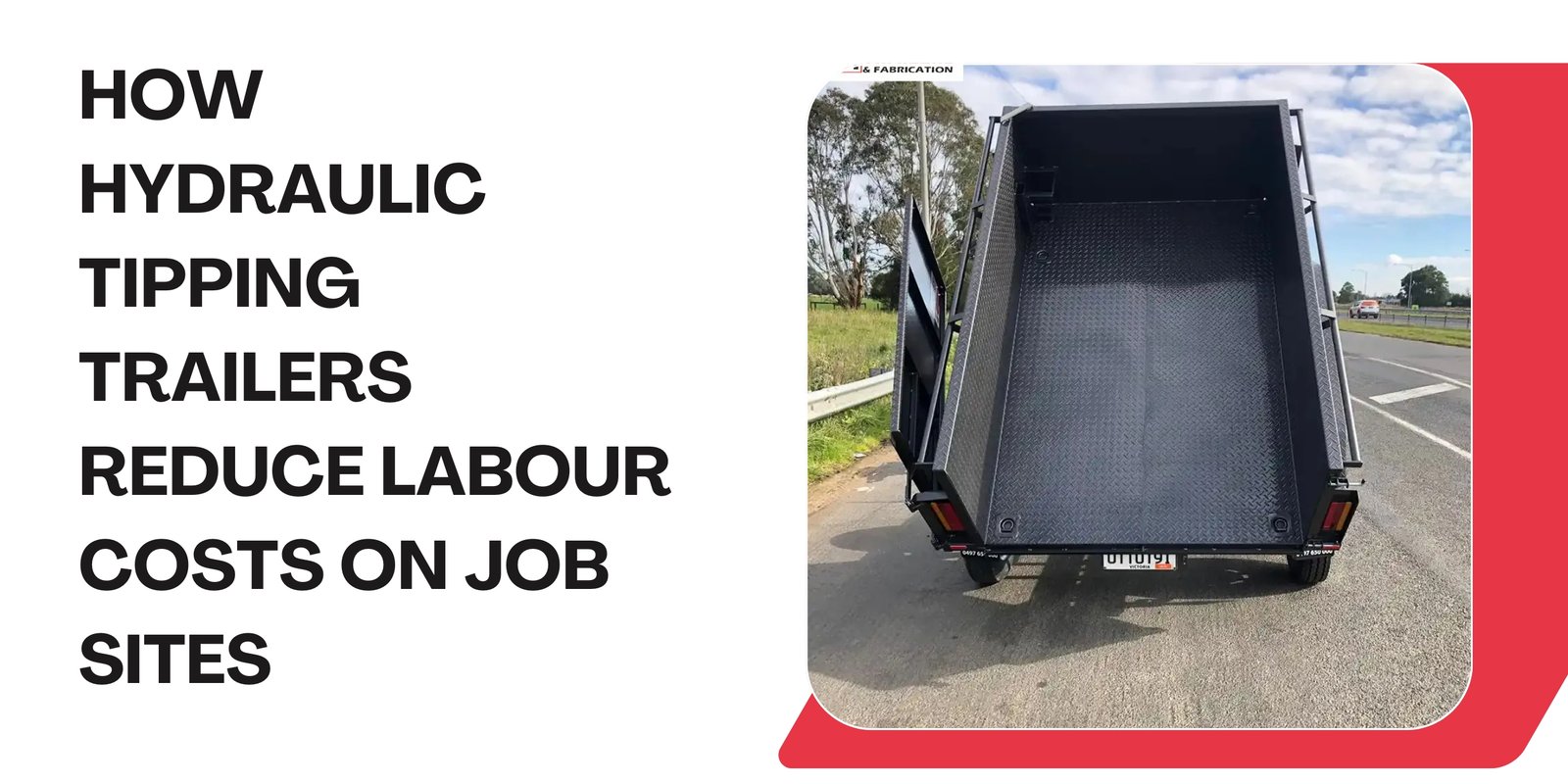
Labour costs continue to rise across construction, landscaping, agriculture, and trade industries. Businesses are always looking for practical ways to improve efficiency, reduce manual work, and complete jobs faster without affecting safety or quality. One solution that has become increasingly useful on modern job sites is the hydraulic tipping trailer.
On many worksites, unloading materials manually can consume hours of labour every week slowing projects down and increasing operating costs.
Hydraulic tipping trailers are designed to make loading and unloading faster, safer, and easier. Instead of relying on workers to shovel, lift, or remove heavy materials by hand, the trailer uses a hydraulic system to tip the load with minimal physical effort.
For businesses handling soil, gravel, sand, debris, green waste, or building materials, this can save time and reduce labour pressure every day. Whether you manage a construction crew, landscaping team, farming operation, or trade service, understanding how hydraulic tipping trailers improve productivity can help you make better equipment decisions.
In this guide, we’ll explore how hydraulic tipping trailers reduce labour costs on job sites, improve workflow, support safer handling, and deliver long-term value.
What Is a Hydraulic Tipping Trailer?
A hydraulic tipping trailer is a trailer fitted with a hydraulic lifting system that raises the trailer bed to unload materials. This controlled tipping action allows bulk materials to slide out quickly, reducing the need for manual unloading.
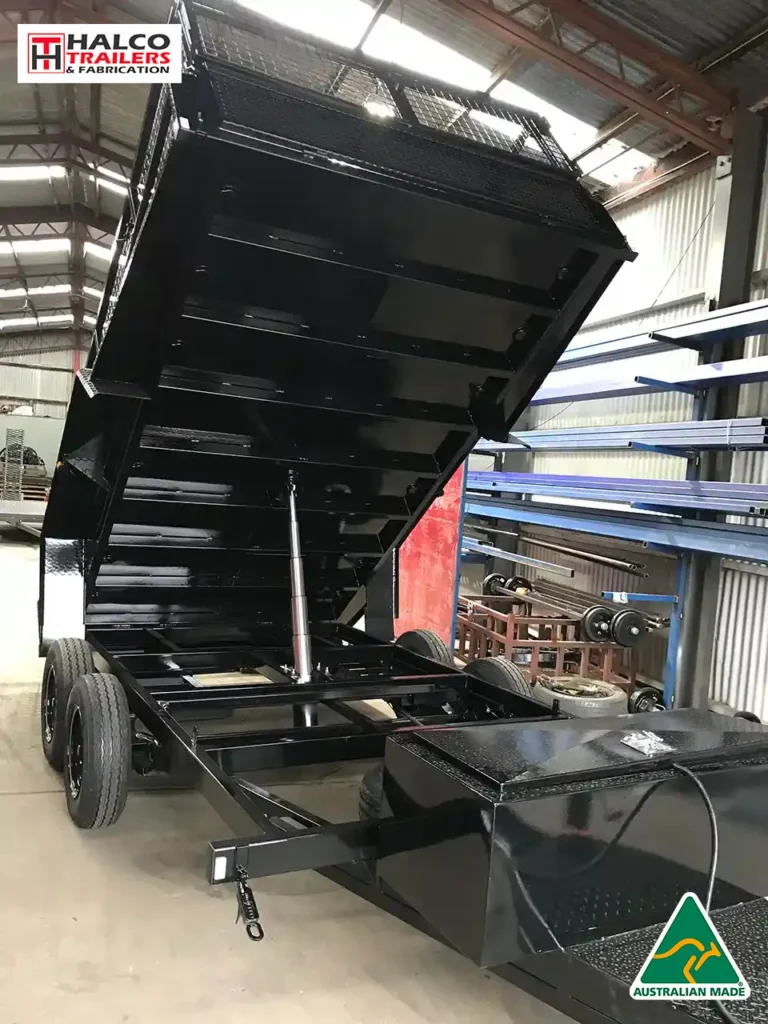
Hydraulic tipping trailers are commonly used for:
- Construction materials
- Landscaping supplies
- Soil and gravel
- Green waste
- Demolition debris
- Agricultural materials
- Trade waste
- Equipment transport
These trailers are especially useful on busy job sites where time, safety, and efficiency matter.
Why Labour Costs Matter on Job Sites
Labour is one of the biggest expenses for many businesses. When workers spend too much time on repetitive or manual tasks, project costs increase and productivity drops.
Manual unloading can be slow, tiring, and physically demanding. It may require several workers, extra equipment, and more time than planned.
Common Labour Challenges on Worksites
- Time-consuming unloading
- Worker fatigue
- Manual handling injuries
- Extra labour hours
- Delays caused by inefficient equipment
- Reduced productivity on skilled tasks
Manual material handling is also a common cause of fatigue and repetitive strain in industries like construction and landscaping. Reducing this type of work can help improve both safety and performance.
Hydraulic tipping trailers help solve this issue by making one of the hardest parts of the job much easier.
How Hydraulic Tipping Trailers Reduce Labour Costs
Let’s look at the key ways hydraulic tipping trailers improve efficiency and reduce manual labour on busy job sites.
1. Faster Unloading Saves Valuable Time
One of the biggest benefits of hydraulic tipping trailers is faster unloading.
Without a tipping system, workers often need to unload materials with shovels, wheelbarrows, or machinery. This can take a lot of time, especially when dealing with heavy or loose materials.
A hydraulic tipping trailer can unload bulk materials within minutes, depending on the load and site conditions.
Benefits of Faster Unloading
- Reduces time spent on each job
- Helps crews complete more work daily
- Minimises delays on busy sites
- Improves project turnaround times
- Reduces unnecessary labour hours
The less time workers spend unloading, the more time they can spend on productive work.
2. Reduced Manual Labour Requirements
Manual unloading can require multiple workers, especially when handling gravel, soil, concrete waste, mulch, or other heavy materials.
A hydraulic tipping trailer reduces the need for heavy physical effort because the trailer does most of the unloading work.
How This Helps Businesses
- Fewer workers needed for unloading
- Less physical strain on staff
- Reduced fatigue during the workday
- Better use of skilled labour
- Lower risk of slowdowns caused by manual handling
Instead of using workers for repetitive unloading, businesses can assign them to more valuable tasks that keep the project moving.
3. Improved Workplace Safety
Safety is a major concern on every job site. Repeated lifting, bending, shovelling, and carrying can lead to injuries over time.
Hydraulic tipping trailers support improved workplace safety by reducing the amount of manual handling required during unloading.
Safety Advantages
- Less heavy lifting
- Reduced repetitive movement
- Lower risk of strain injuries
- Safer material unloading
- Less worker fatigue
A safer worksite can also reduce downtime, injury-related costs, and lost productivity.
4. Increased Productivity on Site
Efficiency is critical on busy worksites. When unloading takes too long, it can delay the next task, slow down crews, and affect the project schedule.
Hydraulic tipping trailers improve worksite productivity by speeding up transport and unloading cycles.
Productivity Benefits
- Faster material delivery
- Reduced waiting time
- More jobs completed per day
- Better workflow coordination
- Less downtime between tasks
When unloading becomes quicker and easier, the whole site can operate more smoothly.
5. Better Handling of Bulk Materials
Some materials are difficult to unload manually. Soil, sand, gravel, mulch, rubble, and green waste can be heavy, loose, and messy.
Hydraulic tipping trailers are ideal for bulk material handling because they allow materials to unload quickly through controlled tipping.
Ideal Materials for Hydraulic Tipping Trailers
- Soil and dirt
- Gravel and sand
- Mulch and firewood
- Construction debris
- Landscaping materials
- Green waste
- Farm supplies
This makes them highly valuable for businesses that move bulk materials every day.
6. Reduced Dependence on Extra Equipment
Without a hydraulic tipping trailer, some job sites may need extra loaders, tools, or labour crews to unload materials efficiently.
In some cases, a hydraulic tipping trailer can reduce the need for extra unloading equipment on smaller worksites.
This Can Help Reduce Costs Related To
- Extra machinery hire
- Additional labour
- Manual unloading tools
- Longer job completion times
- More complex site coordination
By simplifying unloading, hydraulic tipping trailers make worksite operations easier to manage.
Industries That Benefit Most from Hydraulic Tipping Trailers
Because of their efficiency and versatility, hydraulic tipping trailers are now widely used across multiple industries.
Construction Industry
Construction crews often move heavy and loose materials such as gravel, sand, concrete debris, and building waste.
Hydraulic tipping trailers help speed up material transport and reduce manual unloading on construction sites.
Common Construction Uses
- Moving gravel and sand
- Removing demolition debris
- Transporting building materials
- Clearing excavation waste
Landscaping Businesses
Landscapers regularly transport soil, mulch, plants, green waste, and equipment. Manual unloading can take up valuable time during busy workdays.
Hydraulic tipping trailers make unloading faster and reduce physical strain on crews.
Agriculture and Farming
Farmers and rural businesses use tipping trailers to move feed, soil, produce, waste, and supplies.
During busy seasons, faster unloading can help save time and improve daily operations.
Trade and Maintenance Services
Tradespeople and contractors can use hydraulic tipping trailers for transporting job site waste, tools, supplies, and materials.
They are especially useful for businesses that need reliable transport across multiple sites.
Waste Removal and Recycling
Hydraulic tipping trailers are helpful for waste removal because they simplify disposal and reduce manual handling during cleanup jobs.
Features That Improve Efficiency
Not all tipping trailers perform the same. Choosing the right design can improve productivity, safety, and long-term value.
Important Features to Look For
- Reliable hydraulic system
- Strong trailer chassis
- Durable tipping mechanism
- Suitable load capacity
- Easy loading access
- Quality suspension system
- Strong braking performance
- Practical tray size
A well-built trailer can reduce downtime, improve handling, and support daily work in demanding conditions.
How Proper Trailer Maintenance Supports Productivity
A hydraulic tipping trailer needs regular maintenance to stay safe and reliable. Poor maintenance can lead to breakdowns, delays, and repair costs.
Basic Maintenance Checklist
- Inspect the hydraulic system regularly
- Check hydraulic fluid levels
- Examine tyres and brakes
- Lubricate moving parts
- Test lights and electrical systems
- Inspect the trailer frame
- Check hinges and tipping components
Routine maintenance helps ensure the trailer performs properly during heavy daily use.
Common Mistakes That Increase Labour Costs
Even with a hydraulic tipping trailer, poor work practices can reduce efficiency and increase costs.
Mistakes to Avoid
- Overloading the trailer
- Ignoring maintenance checks
- Uneven load distribution
- Using a trailer that is too small for the job
- Failing to train operators properly
- Not checking site conditions before tipping
- Using damaged tyres or brakes
Avoiding these mistakes helps businesses get better performance from their trailer and reduce unnecessary downtime.
What to Consider Before Buying a Hydraulic Tipping Trailer
Choosing the right hydraulic tipping trailer is important if you want to reduce labour costs and improve long-term efficiency.
Key Buying Factors
- Load capacity
- Hydraulic system quality
- Trailer size
- Tipping angle
- Chassis durability
- Brake system
- Suspension quality
- Frequency of use
- Type of materials being carried
Choosing the right hydraulic tipping trailer helps reduce downtime, improve productivity, and support long-term worksite efficiency.
When Should You Consider a Hydraulic Tipping Trailer?
A hydraulic tipping trailer may be a smart choice if:
- You frequently transport bulk materials
- Your crew spends too much time unloading
- You want to improve job site productivity
- You need safer material handling
- You work in construction, landscaping, farming, or trade services
- You want to reduce physical strain on workers
- You handle repetitive transport tasks
For businesses that regularly move heavy or loose materials, a hydraulic tipping trailer can provide strong long-term value.
Quick Summary
- Hydraulic tipping trailers reduce manual unloading time
- Faster unloading helps lower labour costs
- They improve productivity on busy worksites
- Reduced manual handling supports workplace safety
- They are ideal for construction, landscaping, farming, and trade work
- Efficient material handling improves daily workflow
Conclusion
Hydraulic tipping trailers have become a practical tool for businesses that need efficient, safe, and reliable material transport. By reducing manual unloading, improving productivity, and lowering labour requirements, these trailers can help save both time and money on job sites.
Whether you are moving soil, gravel, green waste, landscaping supplies, construction debris, or agricultural materials, a hydraulic tipping trailer can support smoother daily operations.
For businesses focused on efficiency and long-term value, choosing the right tipping trailer can make a real difference in job site performance.
If your business regularly handles heavy materials, improving unloading efficiency can help reduce labour costs and improve workflow on site.
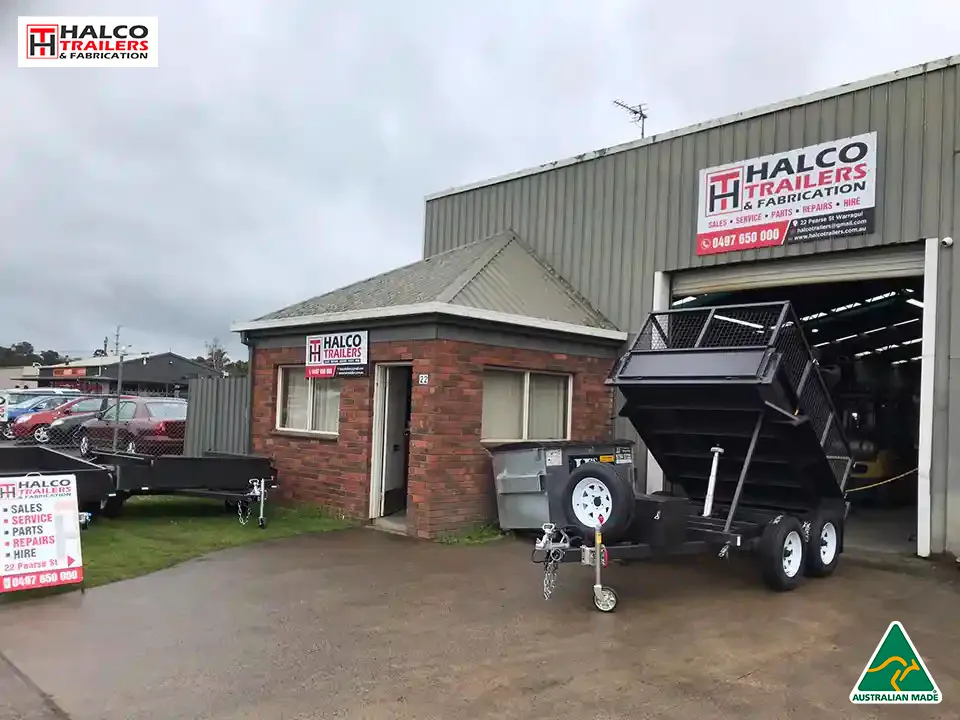
Halco Trailers offers hydraulic tipping trailers designed for demanding Australian conditions and everyday heavy-duty use. Choosing the right trailer setup can help improve productivity, reduce physical strain, and support safer material handling.
Explore trailer options suited to your workload
Speak with experts about your transport needs
Invest in safer and more efficient worksite operations
Choose practical performance and reliable transport solutions with Halco Trailers.