

Transporting excavators safely is one of the most important responsibilities on construction, landscaping, farming, and civil works projects. Excavators are heavy, valuable, and often moved between multiple job sites, which means safe towing and secure loading should never be overlooked.
Improper machinery transport remains a major cause of towing accidents, equipment damage, and worksite delays across construction and civil industries.
Using the wrong trailer setup can increase the risk of unstable towing, poor load balance, loading accidents, and road safety issues. This is why many operators rely on plant trailers specifically designed for heavy-duty transport and machinery movement.
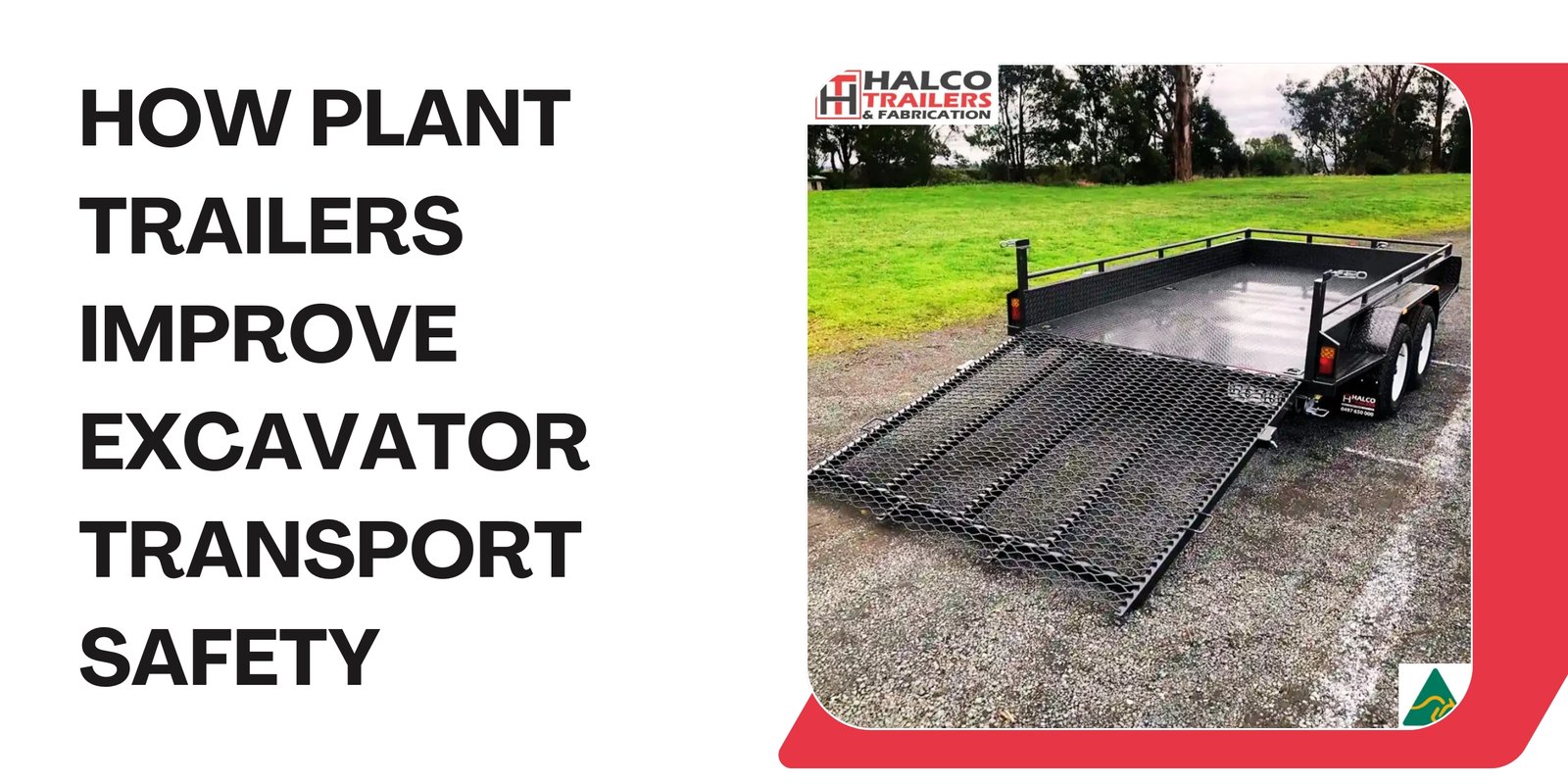
Plant trailers are built to carry equipment such as excavators, skid steers, loaders, and compact machinery with better stability and load control. Their design helps improve safety during loading, unloading, towing, and transport across highways and worksites.
In this guide, we’ll explore how plant trailers improve excavator transport safety, why they are widely used across different industries, and what features support safer machinery transport.
What Is a Plant Trailer?
A plant trailer is a heavy-duty trailer designed specifically for transporting machinery and equipment. Unlike standard trailers, plant trailers are engineered to support heavier loads while offering improved stability and safer loading systems.
Plant trailers are commonly used to transport:
- Excavators
- Mini excavators
- Skid steers
- Loaders
- Scissor lifts
- Construction equipment
- Landscaping machinery
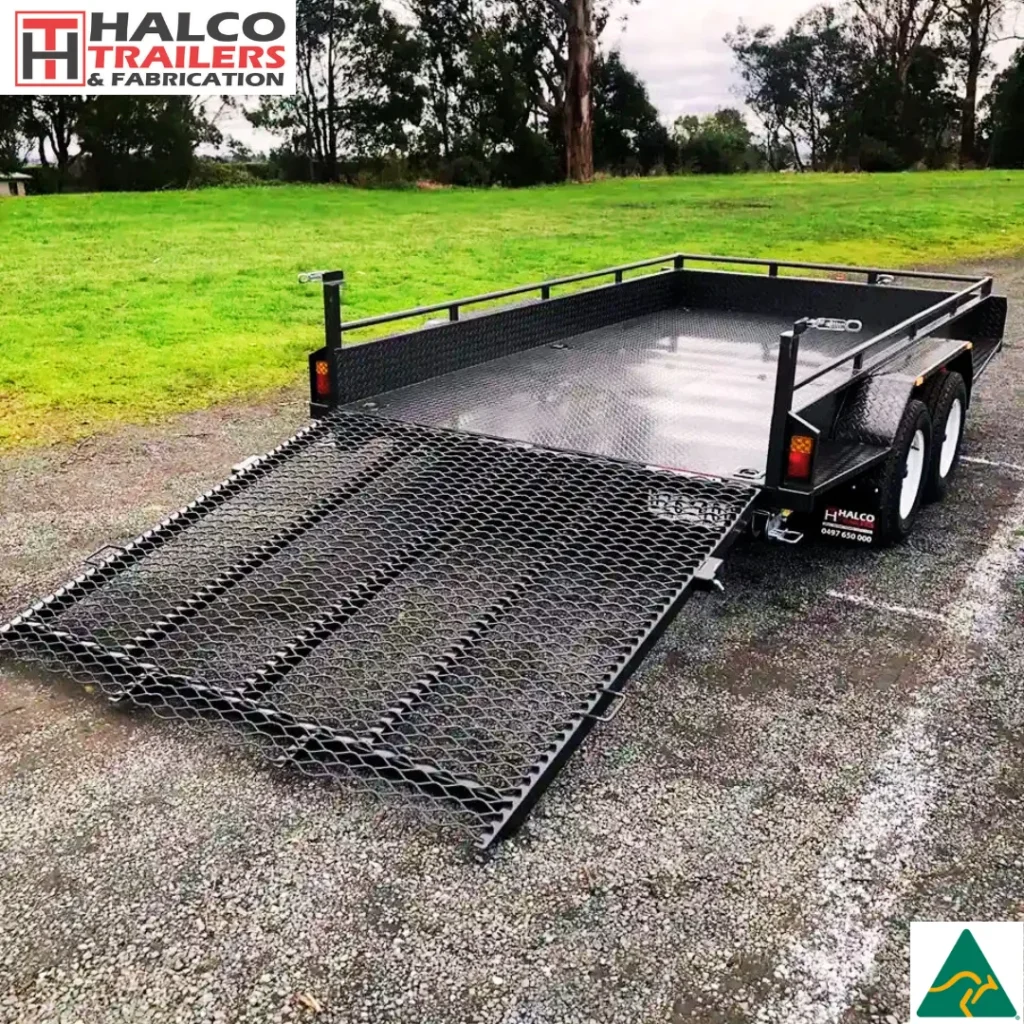
These trailers are designed with stronger chassis construction, heavy-duty axles, loading ramps, braking systems, and secure tie-down points to support safer machinery transport.
Why Excavator Transport Safety Matters
Excavators are heavy machines with concentrated weight. If they are not loaded, secured, or transported correctly, they can create serious risks for operators, workers, and other road users.
Poor load restraint and incorrect weight distribution are common causes of machinery transport incidents on roads and worksites.
Common Excavator Transport Risks
- Trailer instability during towing
- Poor weight distribution
- Equipment shifting during transport
- Unsafe loading and unloading
- Brake strain under heavy loads
- Tyre stress and blowouts
- Reduced vehicle control at highway speeds
A properly designed plant trailer helps reduce these risks by providing better support, balance, and load security.
How Plant Trailers Improve Excavator Transport Safety
Let’s look at the key ways plant trailers help improve machinery transport safety and towing control.
1. Improved Load Stability
One of the biggest advantages of a plant trailer is improved load stability.
Excavators are heavy and unevenly weighted machines. Their concentrated weight can create balance problems if transported on trailers that are not designed for machinery loads.
Plant trailers are built with stronger frames and better axle configurations that help distribute weight more evenly across the trailer. This improves towing control and reduces the chance of trailer sway.
Benefits of Better Load Stability
- Reduced trailer sway
- Improved towing control
- Better highway handling
- Reduced stress on the towing vehicle
- Safer transport over long distances
A stable trailer setup is especially important when transporting excavators on highways, rural roads, or uneven job sites.
2. Safer Loading and Unloading
Loading and unloading heavy machinery can be risky without the right trailer design. A poor ramp angle, weak ramps, or unstable trailer setup can increase the chance of slipping, tipping, or uncontrolled movement.
Plant trailers are designed with features that improve safer loading, including:
- Heavy-duty loading ramps
- Lower deck heights
- Anti-slip surfaces
- Reinforced ramp systems
- Stable trailer positioning
Lower deck heights can also reduce loading angles, making excavator loading safer and more controlled.
Why Safer Loading Matters
Unsafe loading is one of the most common causes of machinery transport accidents. A properly designed plant trailer helps create a smoother, safer, and more controlled loading process.
3. Better Weight Distribution
Weight distribution plays a major role in transport safety. If an excavator is positioned incorrectly, it can affect the trailer’s balance, braking, steering, and tyre performance.
Improper weight balance can:
- Increase trailer sway
- Affect braking performance
- Create steering instability
- Overload tyres or axles
- Increase accident risk
Plant trailers are designed to support correct excavator positioning so weight can be spread more evenly across the trailer.
Benefits of Proper Weight Distribution
- Improved towing balance
- Better braking performance
- Reduced strain on suspension
- Safer cornering and highway towing
- Improved tyre life
Correct load positioning also helps improve trailer durability and reduces unnecessary wear on key components.
4. Stronger Braking Performance
Heavy equipment transport places significant pressure on braking systems. When carrying an excavator, the trailer must be able to stop safely and stay controlled under load.
Plant trailers are commonly fitted with strong braking systems designed to handle heavier loads more effectively.
How Better Braking Improves Safety
- More controlled stopping
- Reduced stopping distance
- Improved downhill braking
- Better stability during emergency braking
- Reduced risk of jackknifing
Reliable braking becomes especially important when transporting excavators through traffic, downhill sections, rural roads, or highways.
5. Improved Equipment Restraint and Security
Excavators must be secured properly during transport to prevent movement. Even small shifts in machinery position can affect balance and create safety risks.
Plant trailers are designed with built-in tie-down points and restraint systems that help operators secure machinery safely.
Why Equipment Restraint Matters
Poorly secured excavators can:
- Shift during transport
- Damage the trailer
- Affect towing balance
- Create road hazards
- Increase accident risk
Using proper restraints and load-rated tie-down systems helps improve equipment restraint and protects both operators and other road users.
6. Better Durability for Heavy Equipment Transport
Excavator transport places constant stress on trailers. A standard trailer may not be strong enough for long-term heavy machinery hauling.
Plant trailers are built using heavy-duty materials designed for demanding conditions and repeated machinery transport.
Durability Features Often Include
- Reinforced steel chassis
- Heavy-duty axles
- Strong suspension systems
- Load-rated tyres
- Durable coupling systems
- Reinforced deck and ramps
This durability helps reduce structural wear while supporting safer transport over time.
Why Plant Trailers Are Common in Construction and Civil Projects
Plant trailers are widely used because they improve efficiency and safety across multiple industries.
Construction Industry
Construction crews regularly transport excavators between worksites. Plant trailers help improve safety while reducing loading and unloading delays.
Faster loading and unloading can also help reduce downtime between worksites, allowing crews to stay productive throughout the day.
Landscaping Projects
Landscapers use compact excavators for earthmoving, trenching, drainage, and site preparation. Safe transport between residential and commercial projects is essential for keeping jobs on schedule.
Agriculture and Farming
Farm operators often use excavators for drainage, fencing, excavation, and land management. Plant trailers support safer rural transport across uneven roads and farm tracks.
Civil and Infrastructure Projects
Civil contractors move machinery frequently between roadworks, subdivisions, and infrastructure sites. Reliable transport safety is critical when equipment needs to arrive safely and on time.
Features That Improve Plant Trailer Safety
Not all trailers provide the same level of support for heavy machinery transport. Choosing the right design can improve performance and reduce transport risks.
Important Safety Features to Look For
- Heavy-duty loading ramps
- Strong braking systems
- Reinforced trailer chassis
- Quality suspension setup
- Reliable coupling system
- Multiple tie-down points
- Low loading angle
- Load-rated tyres
- Durable ramp hinges
A trailer designed specifically for machinery transport provides better long-term safety, better towing control, and stronger durability.
How Proper Maintenance Supports Safer Transport
Even the best plant trailer requires regular maintenance to remain safe and reliable. Small issues with brakes, tyres, ramps, or suspension can become serious problems during machinery transport.
Basic Maintenance Checklist
- Inspect brakes regularly
- Check tyre pressure and wear
- Examine ramps and hinges
- Test lights and wiring
- Inspect tie-down points
- Check suspension components
- Lubricate moving parts
- Check coupling and safety chains
Routine maintenance helps prevent breakdowns and supports safer towing performance.
Common Mistakes to Avoid During Excavator Transport
Even with a quality plant trailer, unsafe practices can still create risks.
Mistakes to Avoid
- Overloading the trailer
- Incorrect excavator positioning
- Failing to secure equipment properly
- Ignoring trailer maintenance
- Using the wrong towing vehicle
- Driving too fast for load conditions
- Using damaged ramps or restraints
- Not checking tyre pressure before towing
Avoiding these mistakes helps improve transport safety and reduce unnecessary risks.
When Should You Use a Plant Trailer?
A plant trailer is a smart choice if you:
- Transport excavators regularly
- Move heavy machinery between sites
- Need safer loading and unloading
- Tow equipment on highways
- Require better load stability
- Want stronger braking and towing control
- Need reliable transport for commercial use
For businesses handling machinery transport frequently, a plant trailer offers important safety and operational advantages.
What to Consider Before Buying a Plant Trailer
Choosing the right plant trailer is important for long-term safety, performance, and reliability.
Key Buying Factors
- Trailer load capacity
- Axle configuration
- Ramp strength
- Brake system
- Trailer deck size
- Tie-down points
- Suspension quality
- Tyre rating
- Frequency of machinery transport
- Type and size of excavator being carried
Choosing the right plant trailer helps improve towing safety, reduce equipment movement, and support long-term reliability.
Plant Trailer vs Standard Trailer for Excavator Transport
Feature | Plant Trailer | Standard Trailer |
Heavy equipment support | Strong | Limited |
Safer loading ramps | Yes | Sometimes |
Better weight distribution | Yes | Less effective |
Stronger braking systems | Usually | Basic |
Machinery tie-down points | Multiple | Limited |
Heavy-duty durability | High | Lower |
A standard trailer may suit lighter transport tasks, but excavator transport requires a trailer designed for machinery weight, balance, and safety.
Quick Summary
- Plant trailers improve excavator transport safety
- Better load stability reduces towing risks
- Safer ramps improve loading and unloading
- Proper weight distribution supports safer towing
- Strong braking systems improve control
- Secure tie-down points reduce equipment movement
- Heavy-duty construction supports long-term durability
Conclusion
Plant trailers play an important role in improving excavator transport safety across construction, landscaping, farming, and civil industries. Their heavy-duty design, stronger braking systems, safer loading features, and improved load stability help reduce transport risks while supporting more efficient machinery movement.
Whether you are transporting mini excavators, loaders, or larger construction equipment, choosing the right plant trailer setup can improve both safety and productivity.
For businesses that regularly move heavy machinery, investing in a properly designed plant trailer is a practical step toward safer and more reliable transport operations.
Safe excavator transport starts with choosing the right trailer setup for the job.
Halco Trailers provides plant trailers designed for heavy machinery transport, towing stability, and safer loading across demanding Australian worksites. Whether you transport excavators regularly or move machinery between projects, selecting the right trailer can improve both safety and efficiency.
Explore trailer options for heavy equipment transport
Speak with experts about safer towing solutions
Invest in reliable machinery transport designed for long-term performance
Choose safer machinery transport with Halco Trailers.