

When exploring tandem trailers for sale, many buyers are focused on one thing, strength. But what often surprises first-time buyers is that tandem trailers offer much more than just extra load rating. They provide superior stability, smoother towing performance, better weight distribution, and increased long-term durability.
Whether you’re a tradie transporting heavy equipment, a landscaper hauling bulk materials, or a business owner managing deliveries across Victoria, understanding why a tandem axle trailer performs better than a single axle option can save you time, money, and frustration.
In this guide, we’ll break down the engineering advantages, safety benefits, and practical considerations that make tandem trailers a preferred choice for demanding transport tasks.
What Is a Tandem Trailer?
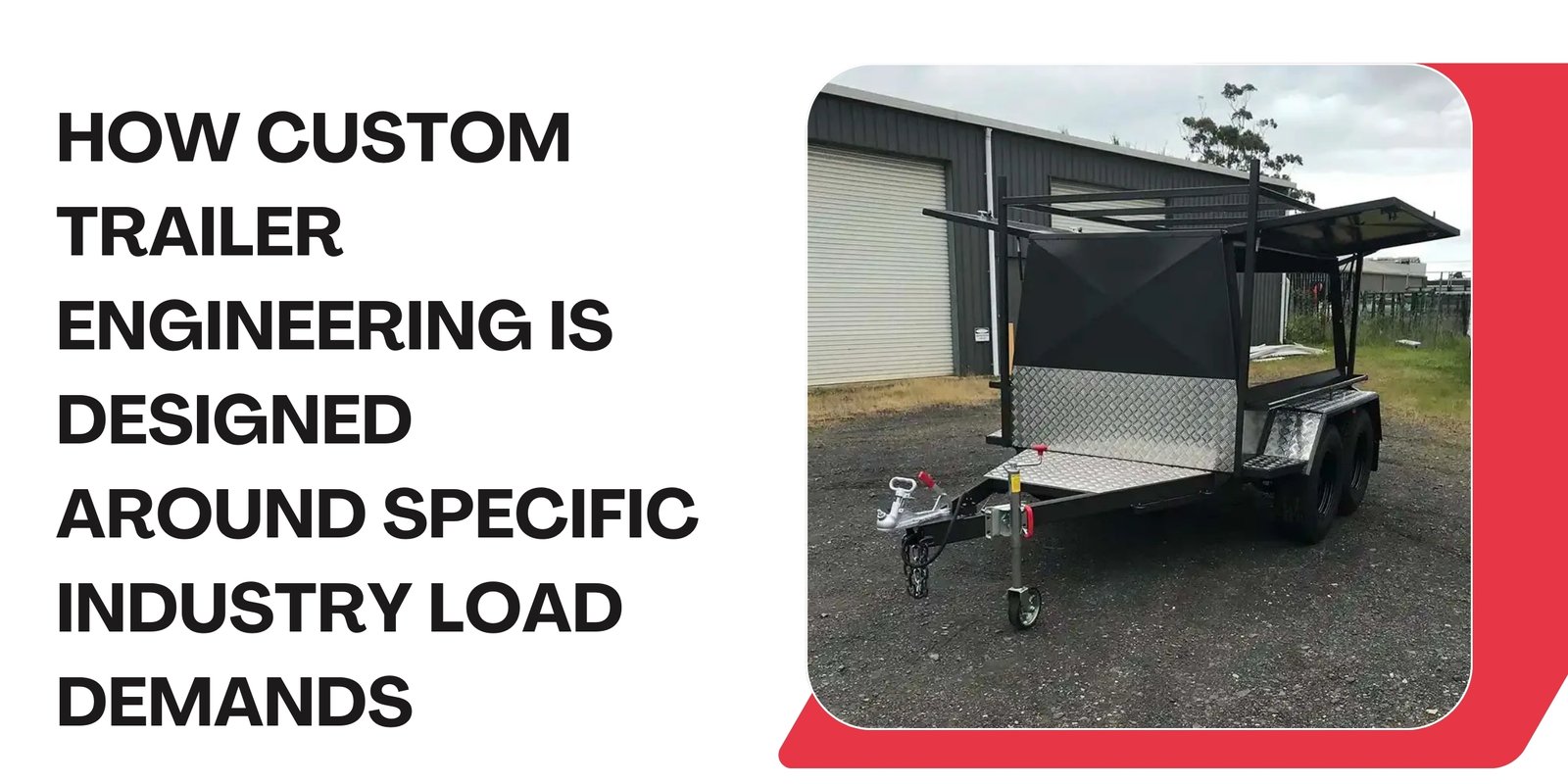
A tandem trailer is a trailer fitted with two axles positioned closely together, instead of a single axle. This configuration means four wheels support the load instead of two. The additional axle dramatically changes how the trailer handles weight, road surfaces, and braking forces.
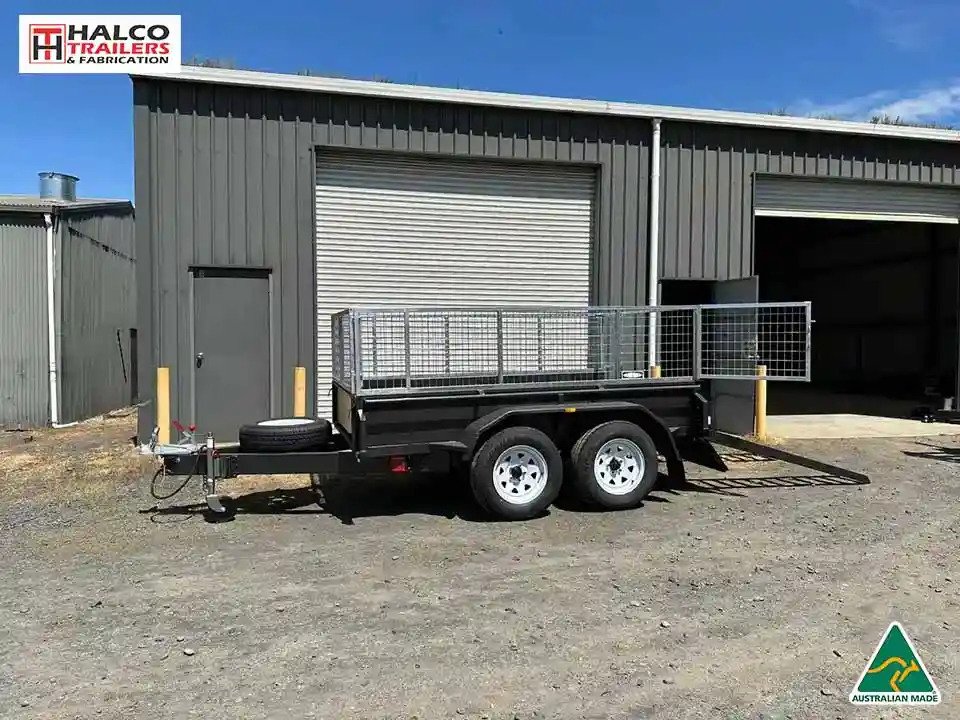
The design is especially popular for buyers searching for heavy-duty trailers, box trailers with high payload capacity, and equipment transport trailers. By spreading the load across four tyres, tandem trailers reduce strain on individual components and improve overall towing balance.
For industries that regularly carry machinery, construction materials, landscaping supplies, or bulk goods, this configuration is not just convenient, it’s essential.
Superior Stability: The Key Advantage of Tandem Trailers
Better Weight Distribution Across Axles
One of the main reasons buyers search for tandem trailers for sale is improved stability. With two axles supporting the chassis, weight is distributed more evenly. This reduces stress on any single tyre and minimises the chance of uneven load imbalance.
Even when carrying heavy or slightly uneven cargo, the trailer remains balanced. The second axle acts as a stabilising point, helping maintain smoother tracking behind the tow vehicle.
This is particularly important when travelling at highway speeds or on uneven regional roads.
Reduced Trailer Sway at High Speeds
Trailer sway can be dangerous. It typically occurs when weight shifts suddenly or when external forces like wind affect the trailer’s balance. A tandem axle trailer is far less susceptible to sway because the dual axle setup anchors the trailer more firmly to the road surface.
With four points of ground contact, lateral movement is significantly reduced. This gives drivers more confidence when towing through crosswinds, downhill stretches, or while overtaking.
Improved Cornering and Braking Control
Cornering places dynamic stress on a trailer’s suspension and tyres. In a single axle trailer, that force is concentrated on just two wheels. In contrast, tandem trailers distribute that force across four tyres and two suspension points.
This design improves braking performance and reduces sudden load shift during emergency stops. For anyone transporting high-value equipment or heavy materials, that added control makes a substantial difference.
Higher Load Capacity Without Compromising Safety
Increased Gross Trailer Mass (GTM)
Another major benefit of tandem trailers is higher Gross Trailer Mass (GTM) ratings. Because weight is supported by two axles, the trailer can legally and safely carry more load compared to a similar-sized single axle trailer.
This makes tandem trailers ideal for those seeking:
- High-capacity box trailers
- Machinery trailers
- Construction transport trailers
- Plant equipment trailers
By distributing the load evenly, structural stress on the chassis is reduced, allowing for increased payload capacity without sacrificing durability.
Less Wear on Tyres and Suspension
When weight is concentrated on only two tyres, wear accelerates quickly. Tandem trailers reduce this strain by spreading the load across four tyres. As a result, tyre lifespan increases and maintenance intervals often extend.
Similarly, the suspension system experiences less concentrated pressure. This leads to better long-term reliability, especially for users who tow frequently or carry near-maximum loads.
Built for Heavy-Duty Applications
Tandem trailers are often designed with reinforced chassis frames and upgraded braking systems. These enhancements make them suitable for industries that require reliable performance under demanding conditions.
Buyers looking for commercial-grade trailers or heavy-duty tandem trailers often find that this configuration provides the durability required for daily operational use.
Tandem vs Single Axle: Understanding the Practical Differences
When deciding between configurations, it helps to understand how they compare in real-world conditions.
Feature | Single Axle Trailer | Tandem Axle Trailer |
Load Capacity | Moderate | High |
Stability | Suitable for light loads | Excellent for heavy loads |
Tyre Wear | Faster under heavy weight | Reduced due to weight distribution |
Braking Control | Standard | Improved |
Highway Performance | Adequate | Superior |
While single axle trailers are ideal for lighter tasks and short-distance hauling, tandem trailers excel when stability and payload are priorities.
Ideal Applications for Tandem Trailers
Tandem trailers are commonly used in a wide range of industries. Their stability and higher load capacity make them suitable for:
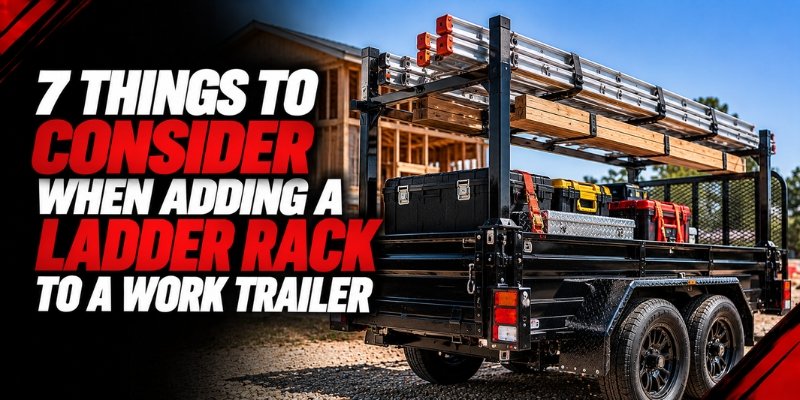
- Construction equipment transport
- Landscaping and bulk material hauling
- Agricultural use
- Machinery relocation
- Vehicle transport
- Trade and commercial operations
If you frequently carry loads exceeding 750kg or operate across long distances, a tandem trailer offers peace of mind that lighter alternatives cannot match.
Suspension and Braking Systems: Why Tandem Trailers Perform Better
Dual Suspension Advantage
With two suspension systems working together, tandem trailers absorb road imperfections more effectively. This reduces vibration transfer to both cargo and the tow vehicle.
On rough roads, this feature prevents bouncing and improves overall control.
Enhanced Braking Capability
Many tandem trailers are equipped with electric or mechanical braking systems on one or both axles. This significantly improves stopping distance when towing heavy loads.
Better braking means increased safety, especially when navigating steep declines or busy highways.
Fuel Efficiency and Towing Dynamics
It may seem counterintuitive, but tandem trailers can actually improve overall towing performance when carrying heavy loads. Because weight is distributed evenly, the tow vehicle experiences more balanced traction.
This can result in smoother acceleration and steadier highway cruising. While heavier trailers naturally increase fuel usage, the stability gained often offsets inefficiencies caused by load imbalance.
Proper weight distribution reduces strain on the tow vehicle’s drivetrain, helping maintain consistent fuel performance over long trips.
Choosing the Right Tandem Trailer for Your Needs
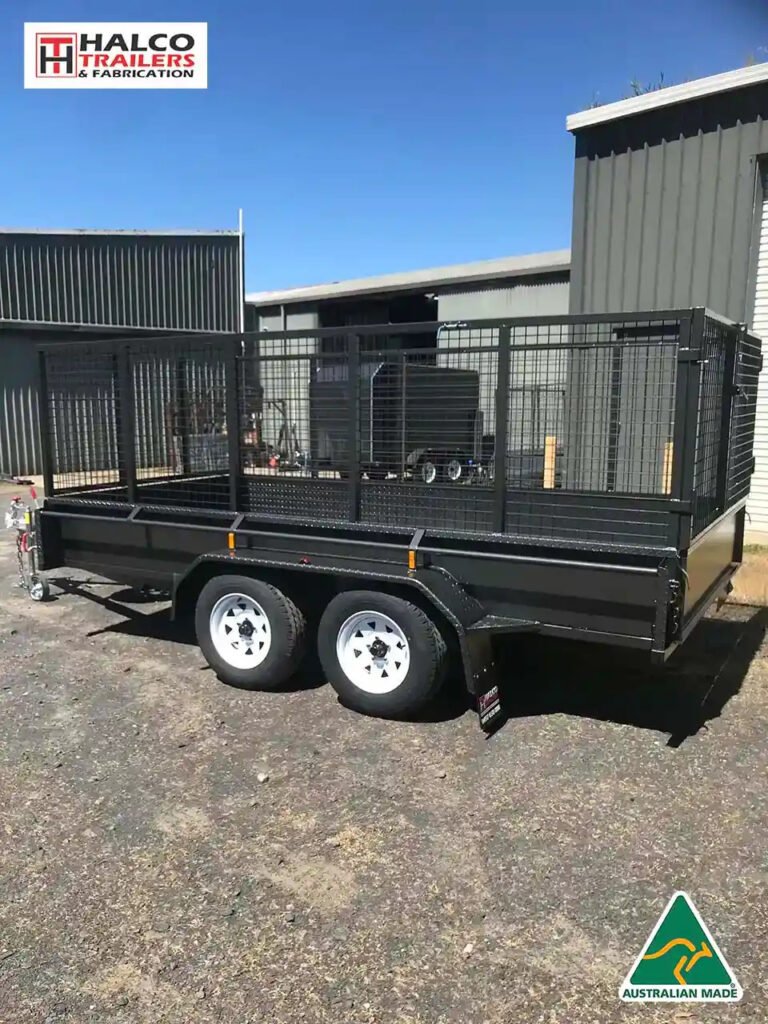
When evaluating tandem trailers for sale, consider the following factors:
Load Requirements
Calculate your average load weight and ensure the trailer’s GTM accommodates it comfortably.
Trailer Size
Choose dimensions that suit your equipment or materials without excessive overhang.
Braking System
Confirm compliance with Australian road regulations for trailers over specific weight thresholds.
Build Quality
Look for reinforced steel chassis, quality welds, and durable flooring materials.
Manufacturer Reputation
Selecting a trusted manufacturer ensures better long-term reliability and support.
Companies like Halco Trailers focus on engineered durability, providing trailers designed for Australian conditions and heavy-duty applications.
Maintenance Considerations for Tandem Trailers
To maximise longevity, regular maintenance is essential. Key areas to monitor include:
- Tyre pressure and rotation
- Wheel bearings
- Suspension components
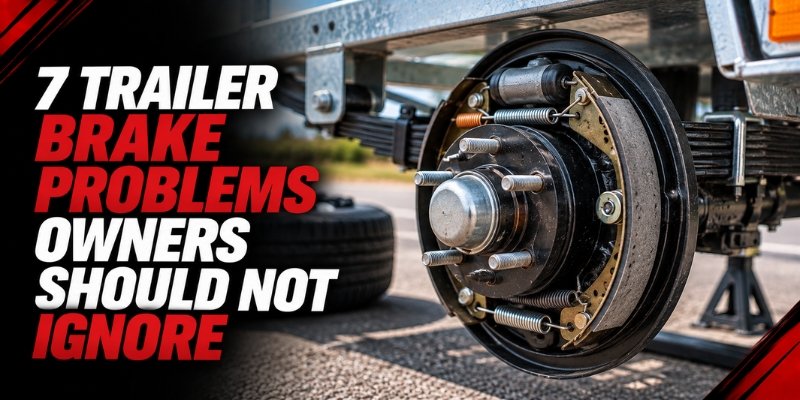
- Brake systems
- Coupling integrity
Routine inspections prevent minor issues from becoming costly repairs. Tandem trailers are built for durability, but proper care ensures consistent performance.
When Is a Tandem Trailer the Right Investment?
A tandem trailer becomes the smart choice when:
- You regularly carry heavy loads
- Stability is a top priority
- You travel long highway distances
- Your business relies on consistent transport performance
- Safety and compliance cannot be compromised
While initial costs may be higher than single axle alternatives, the long-term benefits often justify the investment.
Final Thoughts: Strength, Stability, and Confidence on the Road
Searching for tandem trailers for sale is often driven by the need for greater load capacity. However, the true advantage lies in stability, control, and long-term reliability. The dual axle design enhances towing balance, improves braking response, reduces tyre wear, and supports higher payloads without compromising safety.
For tradespeople, business owners, and transport professionals, these benefits translate into smoother operations and reduced downtime. A tandem trailer is not just about carrying more weight, it’s about doing so confidently and efficiently.
If you’re considering upgrading your current trailer setup, exploring heavy-duty tandem options could be the practical step forward.
Ready to Upgrade Your Towing Capability?
If stability, higher load capacity, and durability matter to you, explore quality-engineered options from Halco Trailers. Their range of tandem axle trailers is designed to handle demanding Australian conditions with reliability and strength.
Contact Halco Trailers today to discuss your transport needs and find the right solution for your workload.