



Trailers
Explore the Halco Trailer Range
Halco manufactures trailers for trade, agriculture, vehicle transport, machinery and general-purpose applications at its Warragul workshop in Victoria.
Use this page to compare trailer categories and identify which type suits your requirements. Each category links to a dedicated page with detailed information.
Looking for purchasing, availability or quotation information? View Halco’s trailers for sale in Melbourne
Types of Trailers Available
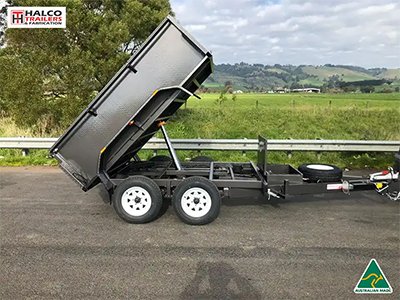
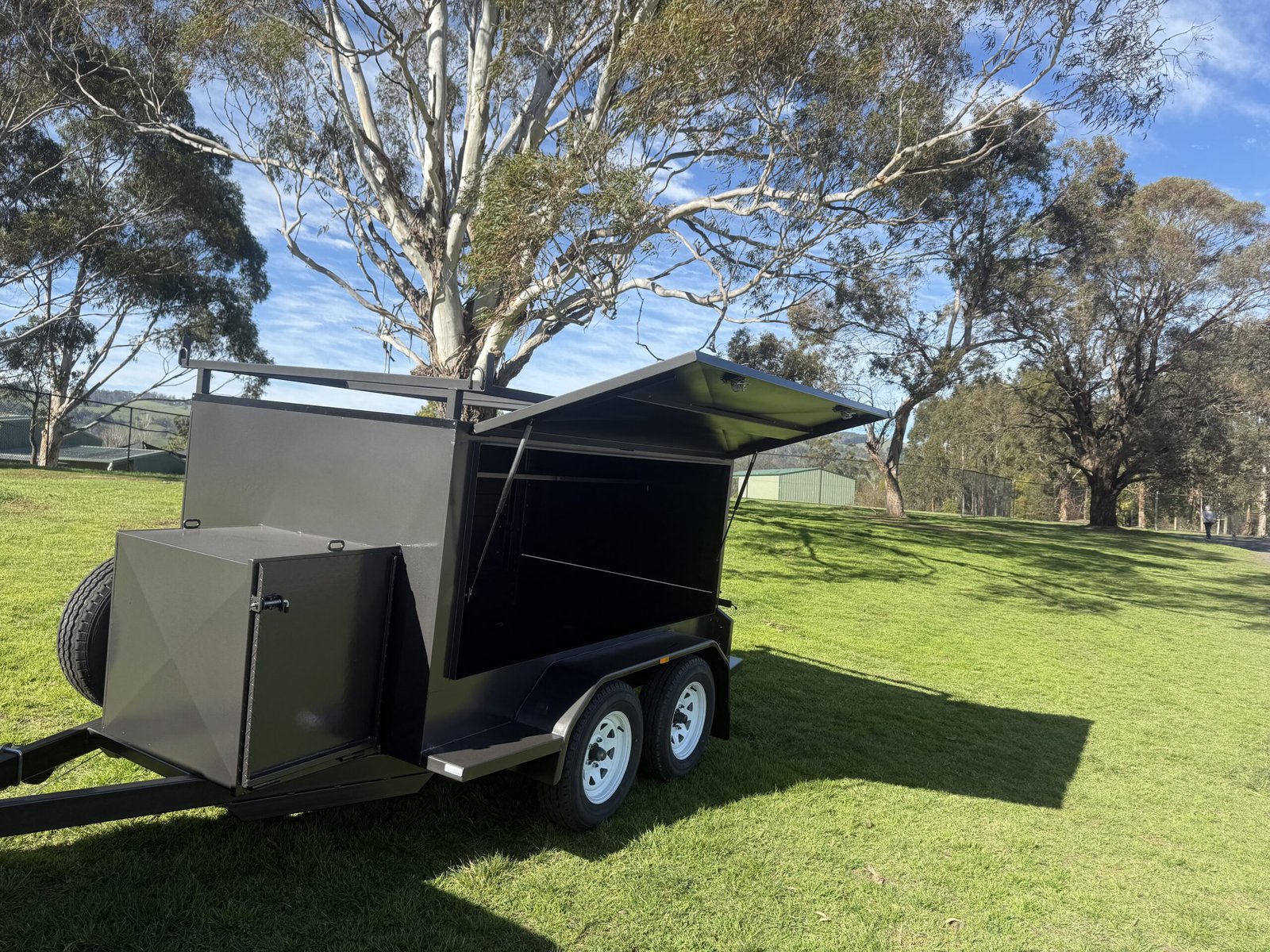
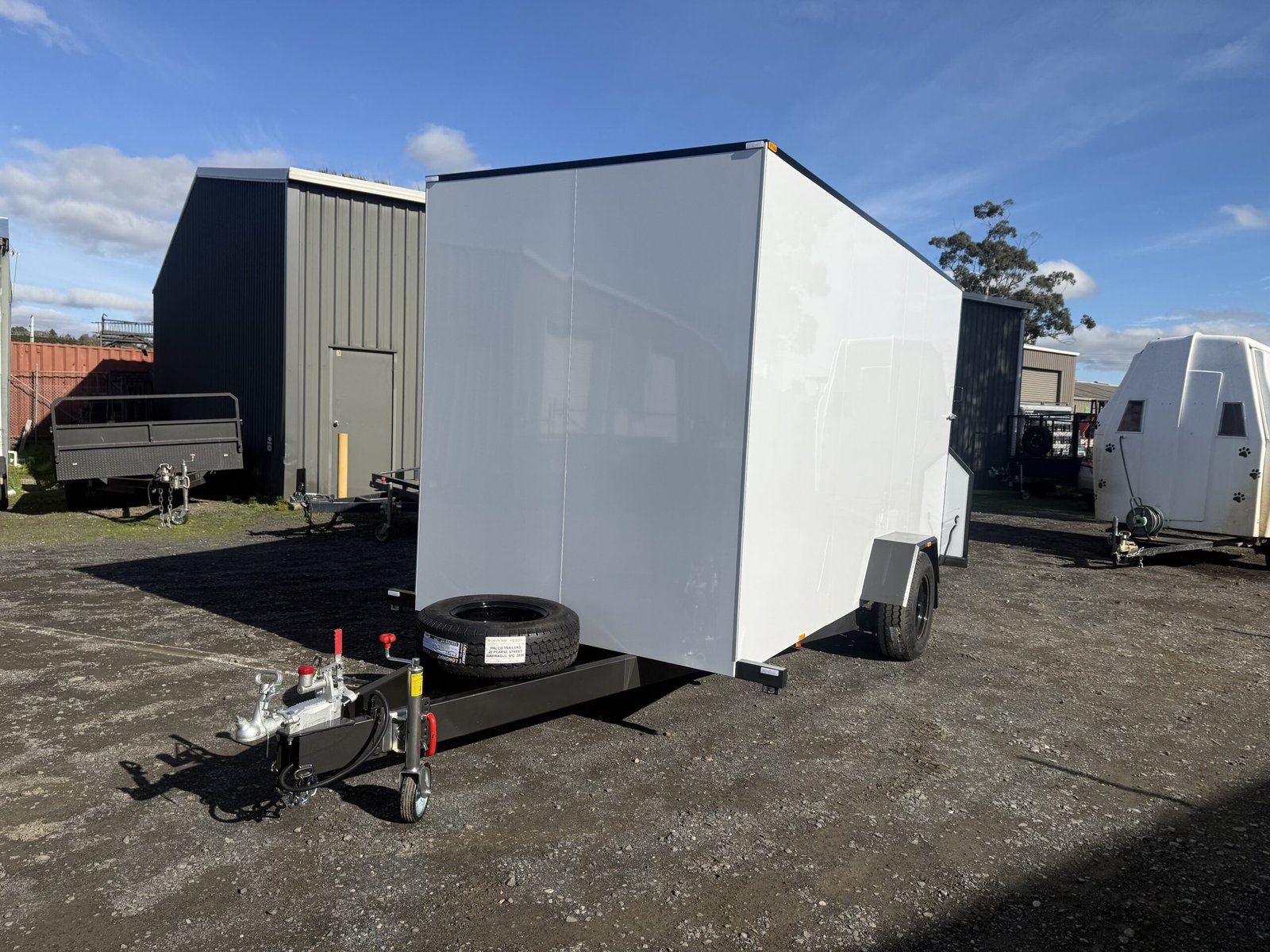
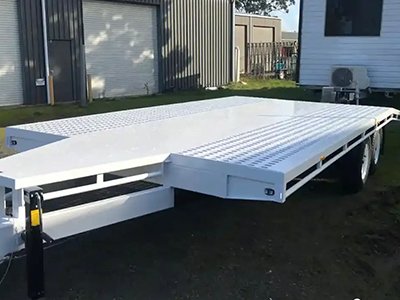
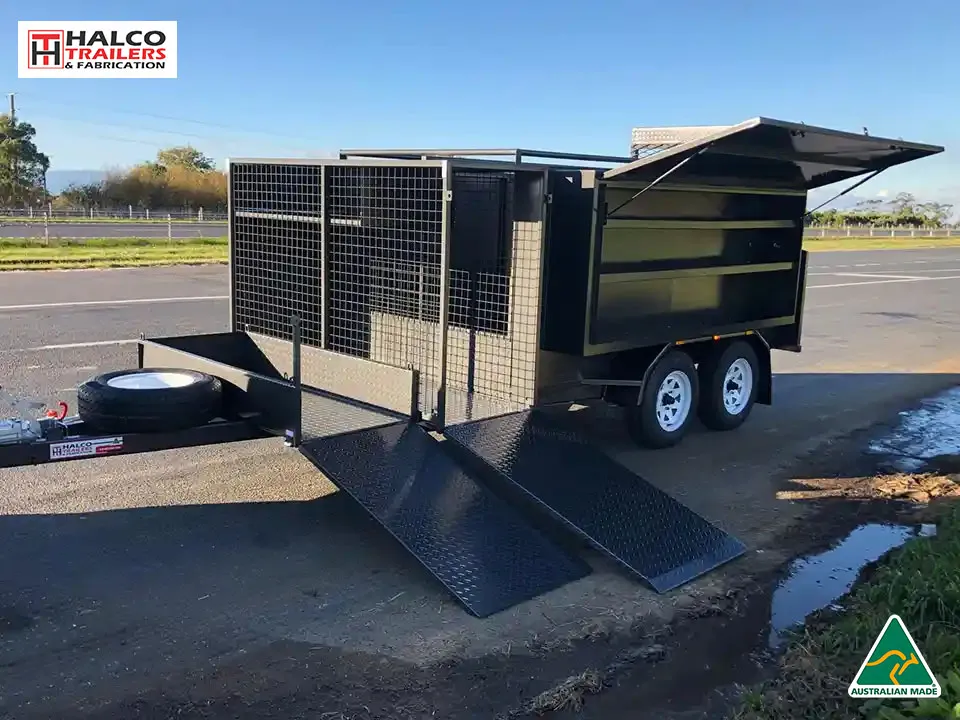
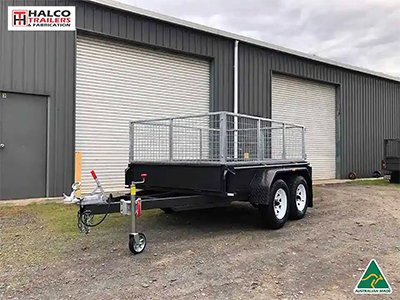
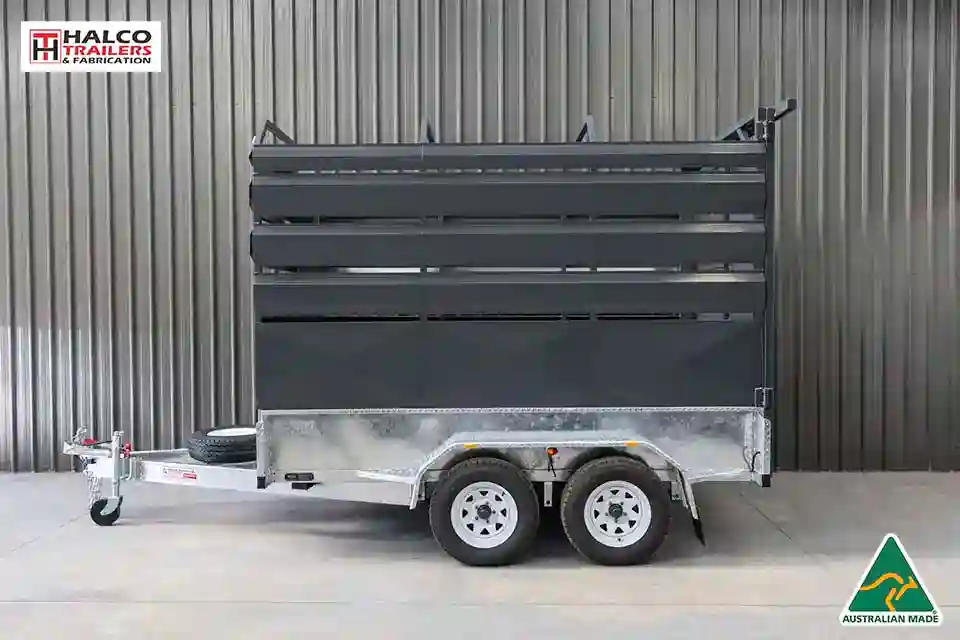
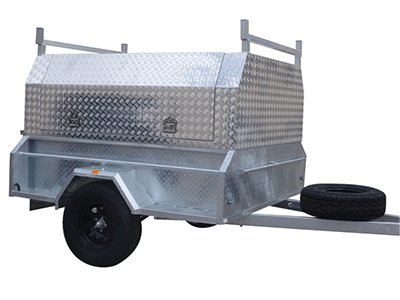
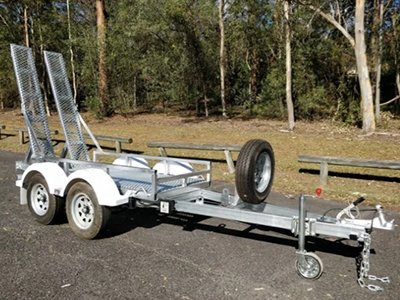
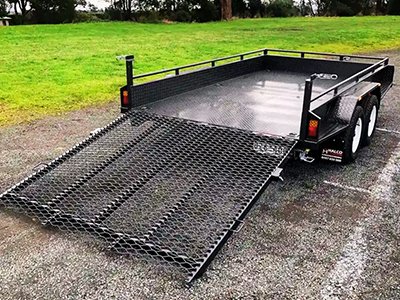
Quick Trailer Comparison
| Trailer type | Common applications | Main characteristic |
|---|---|---|
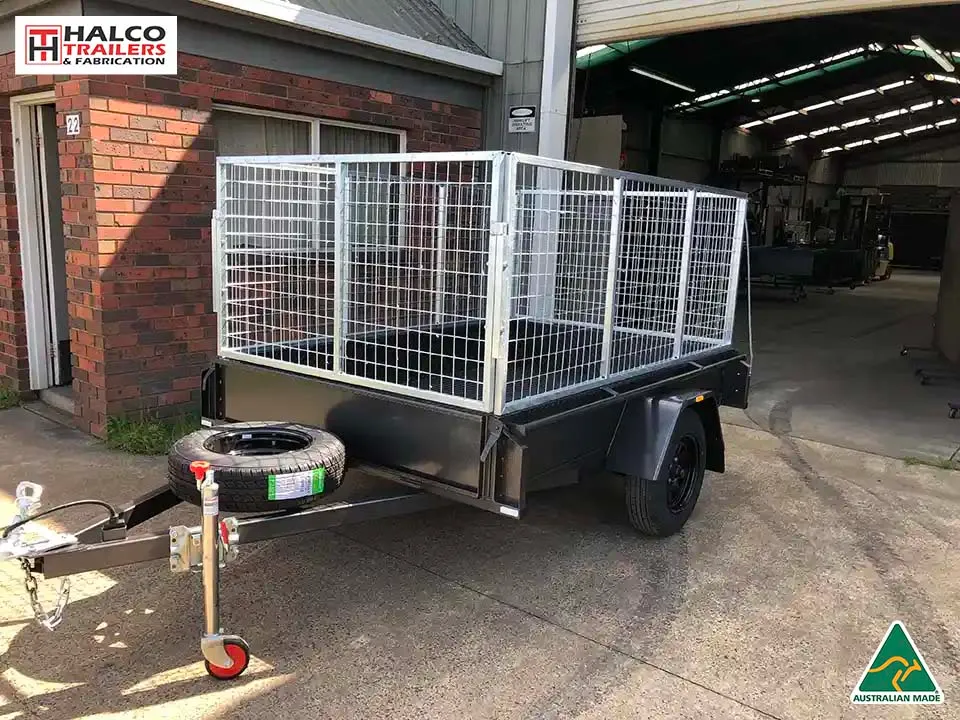
| Box Trailer | Household, garden, trade and general cargo | Fixed-sided body |
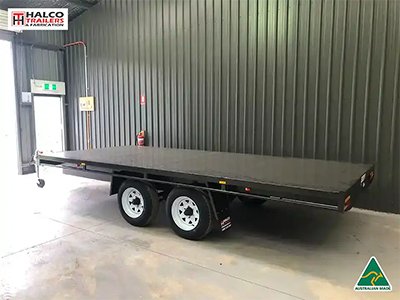
| Flat-Top Trailer | Machinery, pallets and building materials | Open deck with side and overhead access |
| Enclosed Trailer | Tools, stock, motorcycles, vehicles and event equipment | Fixed roof and full-height body |
| Hydraulic Tipper | Soil, mulch and other suitable loose materials | Hydraulic tipping body |
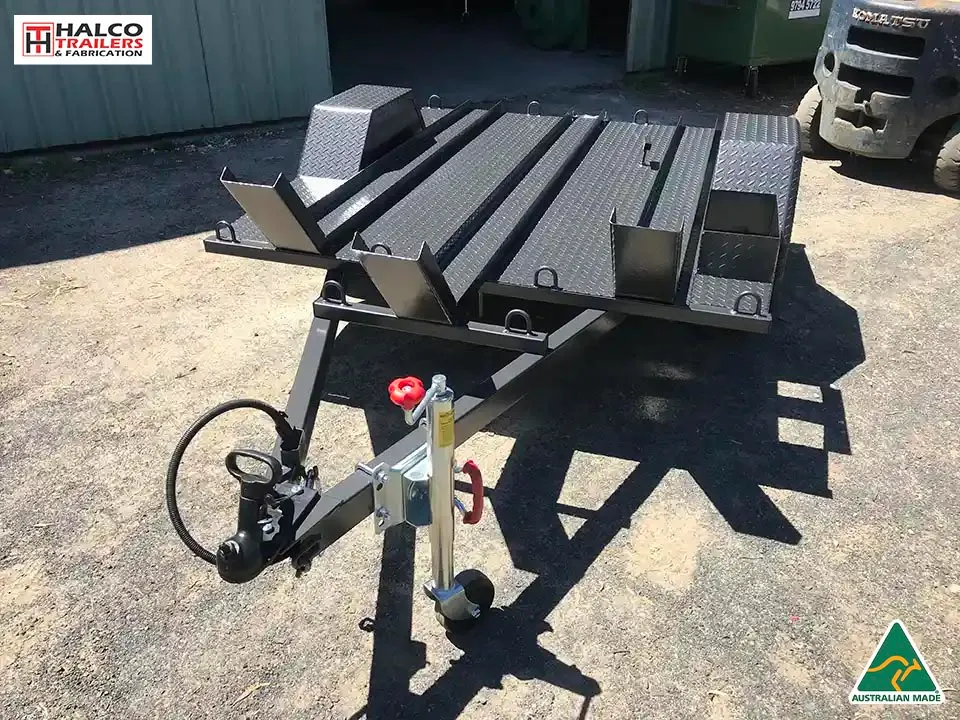
| Car Trailer | Cars, project vehicles and motorsport applications | Vehicle-specific loading arrangement |
| Plant Trailer | Machinery and worksite equipment | Equipment-focused deck and loading access |
| Tradesman Trailer | Trade tools and mobile service equipment | Organised storage and access |
| Tandem Trailer | Various general, trade and specialised applications | Two-axle configuration |
| Tri-Axle Trailer | Larger or specialised applications | Three-axle configuration |
| Stock-Crate Trailer | Suitable livestock and agricultural transport | Ventilated crate body |
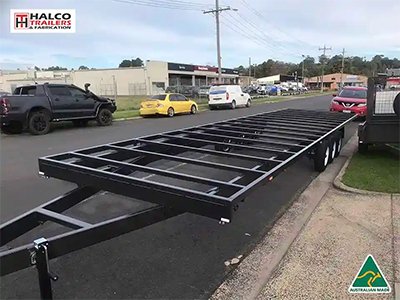
| Tiny-Home Chassis | Tiny-home projects | Purpose-planned trailer chassis |
Axle Configurations
Trailer categories can use different axle arrangements depending on the complete design and intended application.
Single-axle trailers use one axle and are commonly associated with compact general-purpose, garden, trade and equipment applications.
Tandem trailers use two axles. Tandem configurations can be combined with box, flat-top, enclosed, plant and other trailer body styles.
Tri-axle trailers use three axles and may be considered for larger or specialised trailer designs.
The number of axles does not determine capacity by itself. The complete chassis, suspension, tyres, brakes, coupling and approved design must suit the intended application.
Choose by Application
Covered Cargo Transport
- Enclosed Trailers — Tools, stock, vehicles
- Box Trailers — General household and trade loads
Loose Materials & Unloading
- Hydraulic Tipper Trailers — Soil, mulch, gravel, construction debris
Machinery & Heavy Equipment
- Plant Trailers — Worksite equipment, machinery
- Flat-Top Trailers — Pallets, building materials, oversized loads
Vehicle Transport
- Car Trailers — Cars, motorcycles, project vehicles
- Motorbike Trailers — Motorcycles
Trade & Professional Services
- Tradesman Trailers — Tools, equipment, mobile operations
- Lawn Mower Trailers — Landscaping and property maintenance
Agricultural & Livestock
- Stock-Crate Trailers — Livestock transport
- Flat-Top Trailers — Farm equipment, materials
Specialized Projects
- Tiny-Home Chassis — Tiny-home builds
- Scissor-Lift Trailers — Raised access applications
- Custom Trailers — Non-standard requirements
Understanding Trailer Categories
Trailers are categorized by body type, axle configuration or primary application.
Body types describe the trailer structure: enclosed, flat-top, box, tipping.
Axle configurations describe how the trailer is supported: single-axle, tandem, tri-axle.
Application categories describe the primary use: car trailer, plant trailer, tradesman trailer, livestock trailer.
A single trailer often belongs to multiple categories. For example, a plant trailer might use a tandem-axle configuration with a reinforced flat deck and hydraulic ramps.
Trailers Built in Warragul
Trailers Manufactured in Warragul
Halco manufactures a range of trailer configurations at its Warragul workshop in Victoria for trade, agricultural, vehicle, machinery and general transport applications.
Standard trailer categories provide a starting point for common transport tasks. Custom configurations can be discussed where the cargo requires specialised dimensions, access, loading features or storage.
For requirements outside standard categories, explorecustom trailer options
Use the comparison table and application links above to identify the trailer category closest to your requirements.
The dedicated category pages explain each trailer type in more detail, including its typical applications, body style and loading arrangement.
For non-standard applications, explore Halco’s custom trailer options.
Call: +61 497 650 000
Email: enquiry@halcotrailers.com.au
Workshop: 22 Pearse Street, Warragul, Victoria 3820
FAQs
What types of trailers does Halco offer?
The Halco trailer range includes box, flat-top, enclosed, hydraulic tipper, car, plant, tradesman, tandem, tri-axle, stock-crate and tiny-home trailer configurations.
The range also includes motorbike, single-axle, galvanised, scissor-lift, lawn mower and custom trailers for specialised applications.
How do I choose the right trailer category?
Choose a trailer category according to the cargo, loading method and whether you need an open or enclosed body.
For example, enclosed trailers suit covered cargo transport, flat-top trailers provide broad loading access, and hydraulic tipper trailers assist with unloading suitable loose materials.
What is the difference between a box trailer and a flat-top trailer?
A box trailer has fixed sides to contain general cargo, while a flat-top trailer provides an open deck with wider loading access.
Box trailers commonly suit household, garden and trade loads. Flat-top trailers may be more practical for machinery, pallets and materials loaded from the side or above.
What is the difference between an enclosed trailer and a box trailer?
An enclosed trailer has a fixed roof and full-height body, while a box trailer generally has fixed lower sides and an open top.
An enclosed body can help reduce exposure to weather and public visibility. A box trailer provides simpler access for general-purpose cargo.
What is the difference between single-axle, tandem and tri-axle trailers?
Single-axle trailers use one axle, tandem trailers use two, and tri-axle trailers use three.
Axle count does not determine capacity by itself. The complete chassis, suspension, braking, tyres, coupling and approved design must suit the application.
Which trailer type is suitable for machinery transport?
Plant trailers and flat-top trailers are common starting points for machinery transport.
The right category depends on the machine’s dimensions, weight, ground clearance and loading method. Specialised machinery may require a custom configuration.
Which trailer is suitable for soil, mulch or gravel?
A hydraulic tipper trailer may suit suitable loose materials that need to be unloaded efficiently.
The tipping body, intended material and complete trailer configuration should be assessed together.
Which trailer type is used for livestock transport?
Stock-crate trailers are intended for suitable livestock and agricultural transport applications.
Crate dimensions, ventilation, flooring, access and internal layout depend on the animals and intended use.
When should I consider a custom trailer?
Consider a custom trailer when standard categories do not suit the cargo dimensions, loading method, access requirements or workflow.
A custom configuration may include unusual dimensions, specialised storage, equipment mounts or purpose-planned loading access.