Skip to content
In today’s fast-moving industries, one-size-fits-all equipment rarely delivers long-term performance. Whether in construction, agriculture, landscaping, logistics, or trade services, every sector has unique transportation requirements. That is why custom built trailers have become essential tools rather than optional upgrades.
A trailer isn’t just a platform on wheels. It’s a precision-engineered load management system designed to safely transport materials, equipment, machinery, and goods under real-world working conditions. When trailers are engineered around specific industry load demands, they improve operational efficiency, enhance safety, and reduce long-term maintenance costs.
In this guide, we explore how custom trailer engineering works, why industry-specific design matters, and how manufacturers like Halco Trailers build tailored solutions that perform under pressure.
Understanding Industry Load Demands
Different industries place very different stresses on trailers. A landscaper transporting mulch and tools requires a completely different design compared to a builder hauling heavy machinery or a farmer moving livestock feed.
Load distribution, gross vehicle mass (GVM), and payload capacity are not universal figures. Each application involves distinct weight dynamics, centre-of-gravity considerations, and tie-down requirements. Failing to match a trailer to its intended use can lead to premature wear, instability, or compliance risks.
Custom trailer engineering begins by analysing these demands in detail. Manufacturers assess the weight range, frequency of use, terrain conditions, and loading method. This ensures the final trailer design aligns precisely with the intended operational environment.
The Role of Structural Engineering in Custom Built Trailers
Engineering a custom trailer starts with the chassis. The chassis acts as the backbone, absorbing dynamic loads during braking, acceleration, and cornering. For heavy industrial applications, reinforced steel frames and strategically positioned cross members are essential.
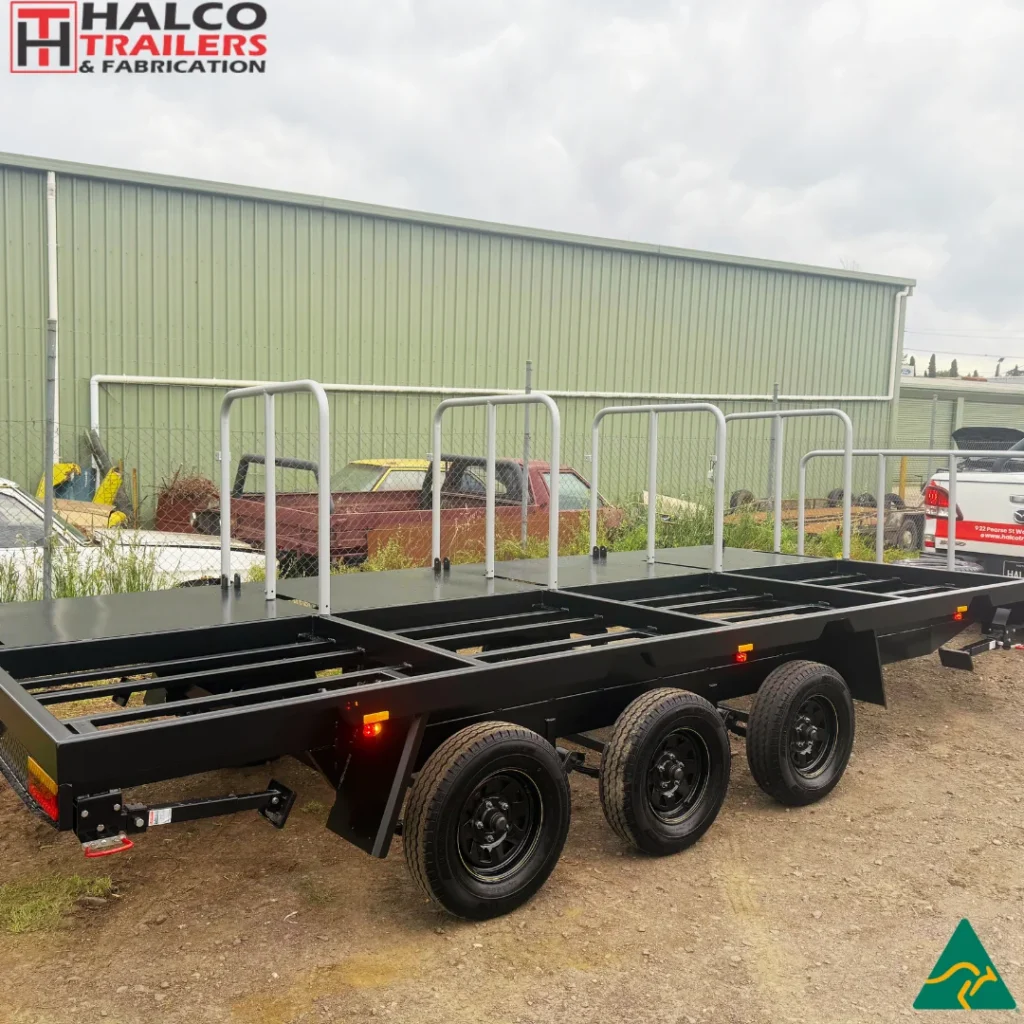
High-quality custom built trailers often feature reinforced RHS steel chassis, thicker drawbars, and precision weld construction. These structural elements are calculated to withstand repetitive stress without fatigue failure. Engineering teams consider not only static load weight but also shifting forces during transport.
By designing around specific industry use cases, manufacturers ensure that structural integrity remains uncompromised over years of demanding work conditions.
Load Distribution and Weight Balancing
One of the most critical aspects of trailer design is weight distribution engineering. Poorly balanced trailers create instability, increase tyre wear, and compromise braking performance.
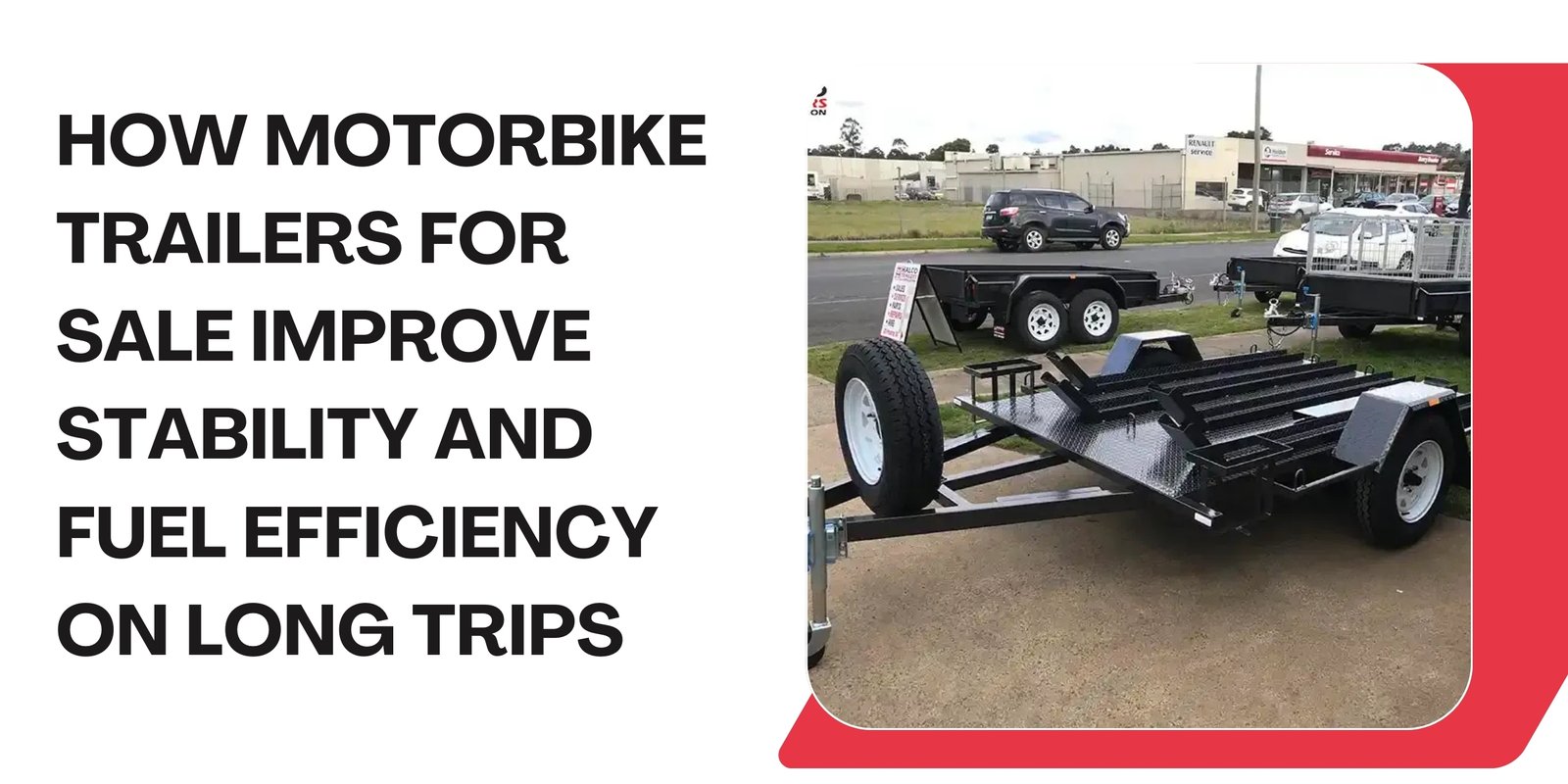
Custom engineering involves calculating optimal axle placement to maintain correct tow ball weight and balanced load spread. For example, machinery transport trailers require strategic axle alignment to accommodate uneven load concentration from equipment tracks or wheels.
Balancing weight properly reduces sway, improves towing control, and ensures compliance with transport regulations. This precision approach is what separates engineered solutions from generic off-the-shelf trailers.
Industry-Specific Design Considerations
Construction and Trade Industries
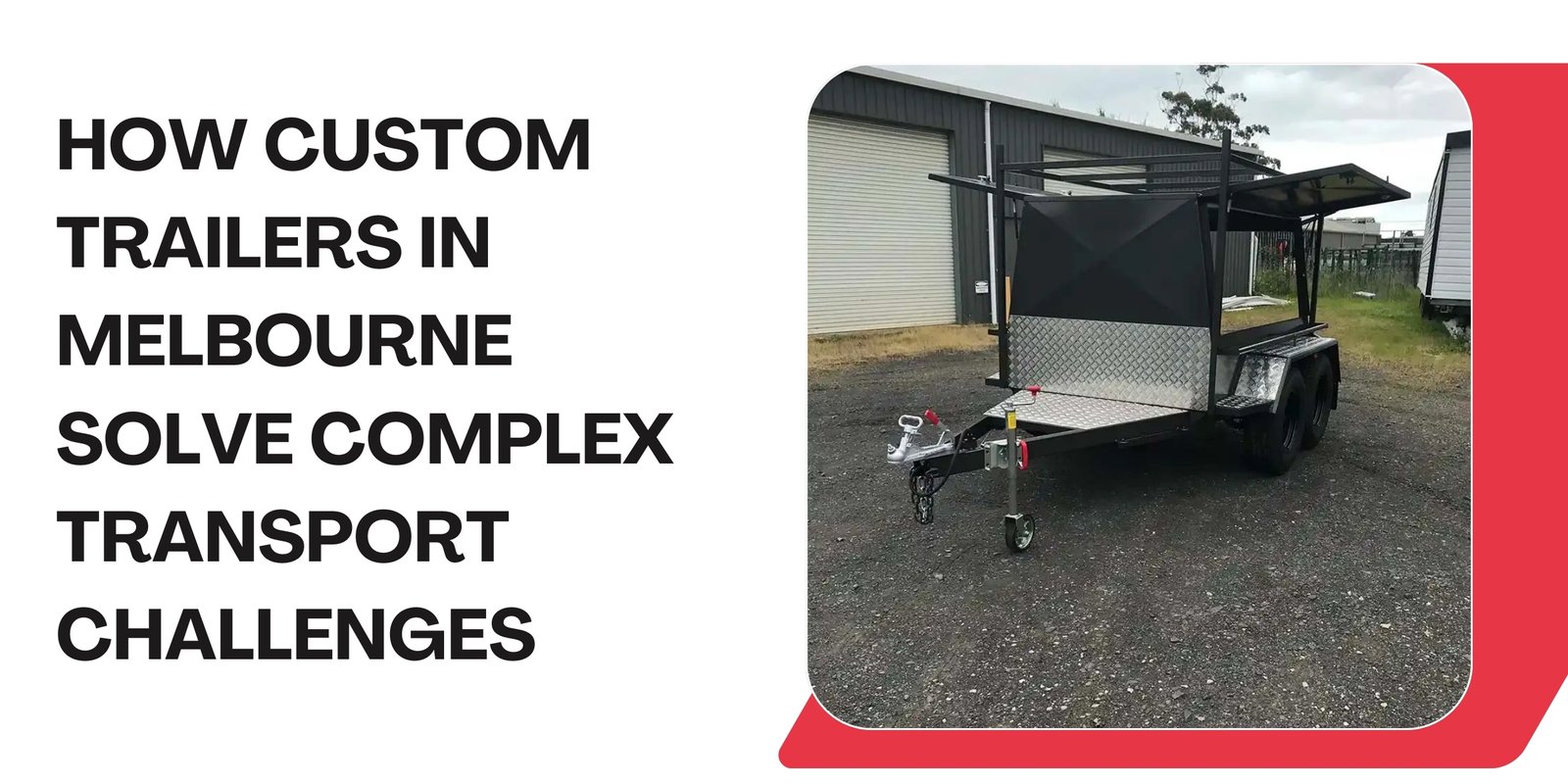
Builders and tradies often transport heavy tools, compact machinery, scaffolding, and materials. These loads demand high payload capacity, reinforced flooring, and integrated tie-down points positioned at frame level.
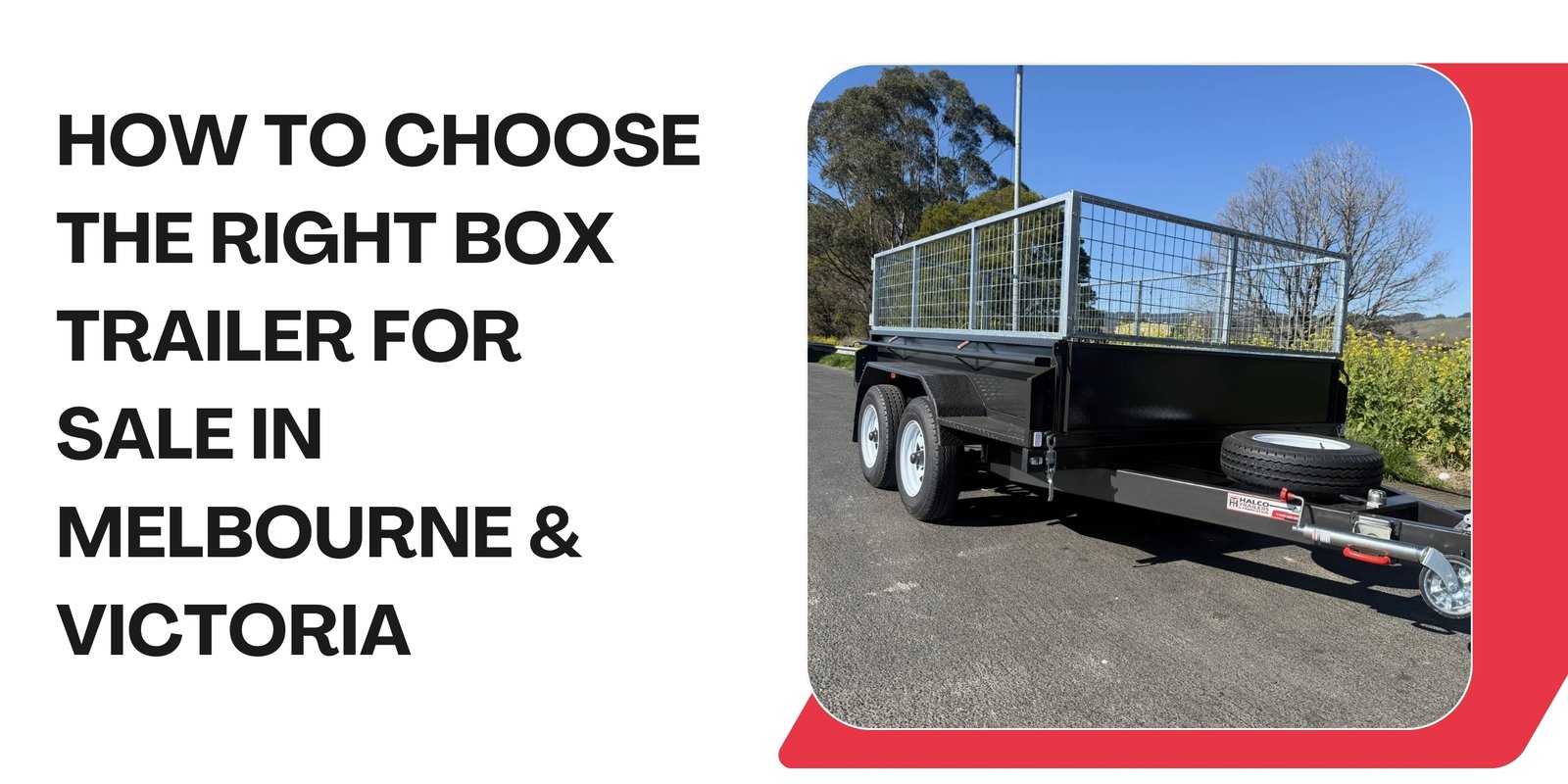
Custom-built trade trailers may include ladder racks, toolboxes, and heavy-duty suspension systems. These additions improve efficiency while ensuring equipment remains secure during transit.
Agriculture and Farming
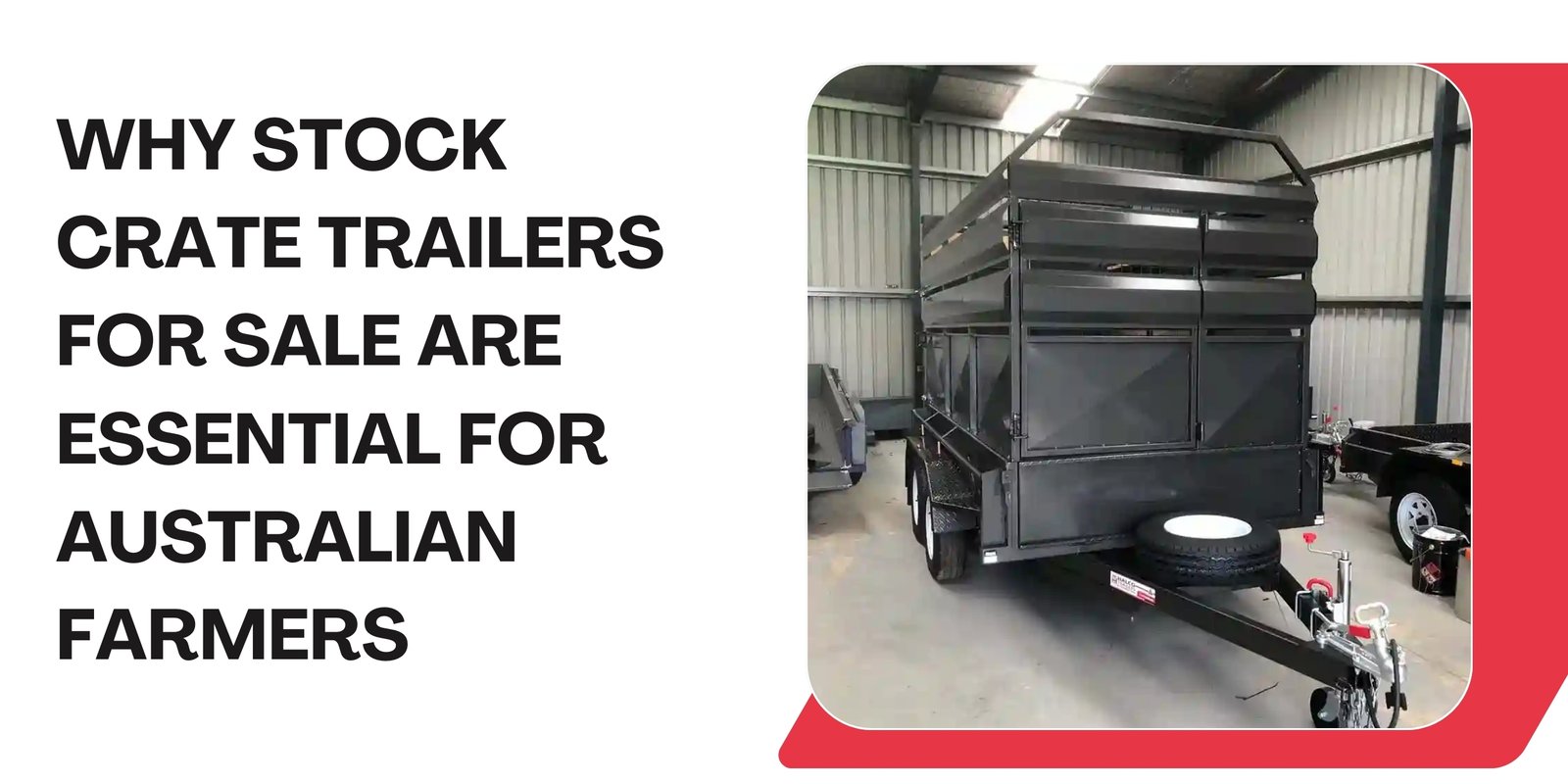
Agricultural operations involve variable terrain and irregular loads. Trailers used in farming often require enhanced ground clearance, durable suspension, and adaptable side panels.
Custom design allows for specialised features such as removable cages, tipping functionality, and reinforced sidewalls to manage bulk materials like feed, fencing supplies, or produce crates.
Landscaping and Horticulture
Landscapers frequently transport soil, mulch, plants, and machinery such as ride-on mowers. A purpose-built trailer must accommodate both loose materials and wheeled equipment safely.
Design modifications may include ramp systems, mesh cages, and corrosion-resistant finishes to handle moisture-heavy organic loads without structural degradation.
Suspension Systems Designed for Application
Suspension systems play a vital role in long-term performance. Not all industries require the same suspension configuration. Light commercial use may perform well with single axle leaf spring systems, while heavy equipment transport may demand tandem axle configurations for improved stability.
Custom engineering ensures suspension systems are matched precisely to the trailer’s expected weight range and road conditions. This prevents premature tyre wear and protects both the trailer frame and transported equipment.
By aligning suspension type with operational demands, manufacturers enhance ride stability and minimise mechanical stress over time.
Compliance and Safety Engineering
Industry-specific trailers must comply with Australian Design Rules (ADR) and state transport regulations. Custom engineering integrates braking systems, lighting compliance, reflectors, and VIN identification from the design phase.
Trailers exceeding 750kg GTM require braking systems under Australian regulations. Engineering teams incorporate compliant braking configurations that match projected load capacities.
Safety considerations also extend to load restraint systems, reinforced coupling mechanisms, and heavy-duty drawbars. These elements are calculated to handle emergency braking scenarios without structural compromise.
Material Selection and Durability
The materials used in custom built trailers directly impact longevity and maintenance costs. Engineering teams evaluate environmental exposure, corrosion risk, and operational wear patterns before selecting finishes and coatings.
Powder-coated steel, heavy-duty checker plate flooring, and reinforced hinges improve resistance against abrasion and weather exposure. Agricultural trailers may require additional protective measures due to constant exposure to moisture and debris.
Choosing materials aligned with industry conditions ensures that the trailer remains structurally sound and visually professional over years of use.
Modular Add-Ons and Functional Customisation
Custom trailer engineering extends beyond structural design. Modular features enhance adaptability and long-term usability.
Common industry-specific additions include:
- Removable cages
- Hydraulic tipping systems
- Ladder racks
- Tool storage compartments
- Loading ramps
- Spare wheel mounts
These features are not cosmetic upgrades; they are functional solutions designed around workflow efficiency. By integrating these elements during fabrication rather than as aftermarket modifications, manufacturers ensure proper weight balance and structural integrity.
Long-Term Cost Efficiency Through Engineering
Investing in custom engineering reduces long-term costs. Generic trailers often require modifications, reinforcements, or premature replacement due to mismatched load demands.
A purpose-built trailer reduces:
- Maintenance frequency
- Structural fatigue
- Tyre and suspension wear
- Operational downtime
Over several years, these savings outweigh the initial investment difference. Customisation is not simply about preference, it is about engineering longevity and financial efficiency.
The Engineering Process at Halco Trailers
At Halco Trailers, custom trailer design begins with consultation. The team assesses client requirements, industry demands, and operational conditions before creating a tailored design blueprint.
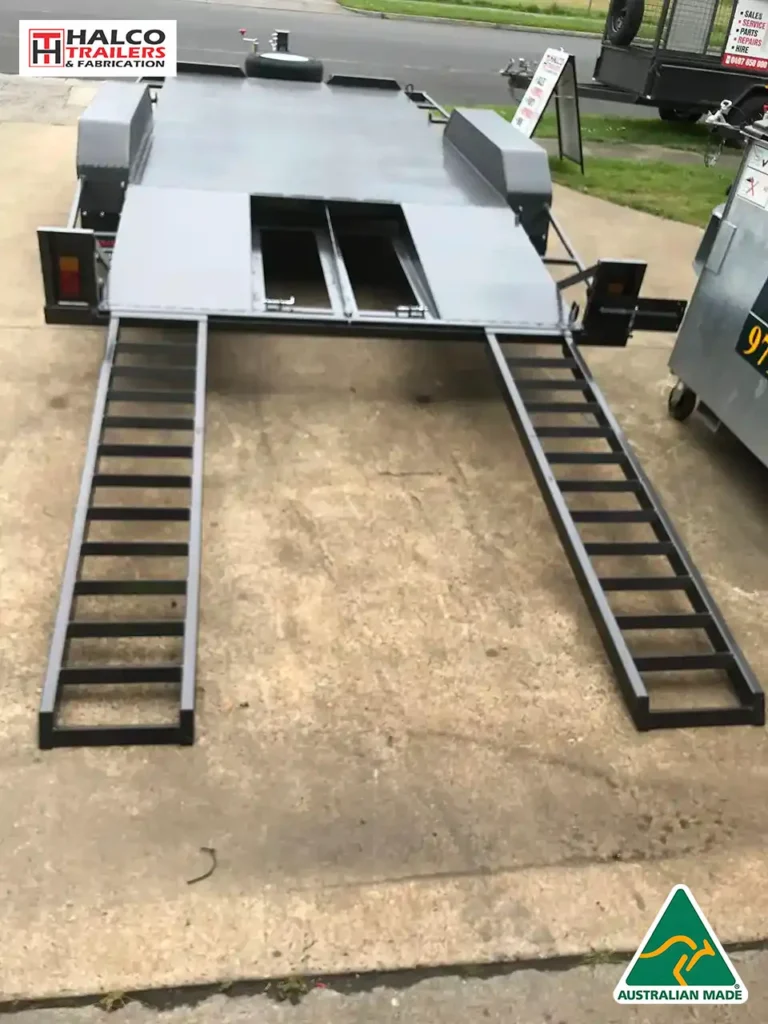
Using Australian steel and precision fabrication techniques, each trailer is constructed to meet strict performance standards. Structural weld integrity, axle alignment, and load-bearing calculations are carefully monitored during the build process.
By focusing on real-world use cases across construction, agriculture, landscaping, and commercial sectors, Halco Trailers ensures every project delivers both performance and compliance.
Conclusion: Engineering That Matches the Job
Every industry has unique load demands, terrain challenges, and operational requirements. Relying on generic transport solutions often leads to inefficiencies and increased long-term costs. Custom trailer engineering addresses these challenges at their core by designing around specific applications rather than adapting after the fact.
Through precise structural calculations, load distribution planning, suspension alignment, and material selection, custom built trailers deliver measurable improvements in safety, durability, and performance. Engineering tailored to industry needs ensures trailers remain reliable assets rather than recurring liabilities.
For businesses seeking performance-driven transport solutions designed for Australian conditions, Halco Trailers provides engineered custom trailer builds that prioritise function, compliance, and long-term reliability.
Ready to Build a Trailer Designed for Your Industry?
If your current trailer isn’t meeting operational demands, it may be time to invest in a purpose-built solution.
Contact Halco Trailers today to discuss your industry requirements and explore custom trailer engineering tailored specifically to your workload.