

Scaffolding trailers improve construction safety by reducing manual handling risks, stabilising loads during transport, and streamlining site setup. With organised, ground-level access to components, these purpose-built trailers help Australian contractors meet Safe Work Australia expectations and transport compliance requirements, significantly lowering the risk of musculoskeletal injuries and vehicle-related incidents on active worksites.
Construction sites across Australia are under increasing pressure to operate faster, safer, and more efficiently than ever before. From residential builds to commercial projects, one challenge remains constant: how to transport, store, and manage scaffolding safely without slowing down work or increasing risk.
This is where the scaffolding trailer has become an essential tool rather than a convenience.
Purpose-built scaffolding trailers are transforming how contractors manage equipment on site, improving safety outcomes, reducing manual handling risks, and ensuring compliant load transport across urban and regional projects, including works throughout Melbourne and surrounding growth corridors.
This article explores how scaffolding trailers improve safety and load management, why demand is growing across Victoria, and what contractors should consider when choosing the right trailer scaffolding solution.
The Growing Safety Challenge on Modern Construction Sites
Early mornings, tight deadlines, multiple trades, and changing site conditions are now standard across Australian construction projects. As sites become busier, equipment movement and storage have become major contributors to safety incidents.
According to Safe Work Australia, manual handling injuries and transport-related incidents remain among the leading causes of serious workplace injury in construction. Loose or poorly secured scaffolding components significantly increase the risk of:
- Manual handling strain
- Trip hazards
- Load shift during transport
- Equipment damage
- Non-compliance with load restraint regulations
Traditional methods, such as stacking frames on flatbed trucks or storing components loose on site, are no longer sufficient in a compliance-driven environment.
A scaffold trailer directly addresses these risks by providing a structured, purpose-built transport and storage system.
Why Load Management Matters in Construction Logistics
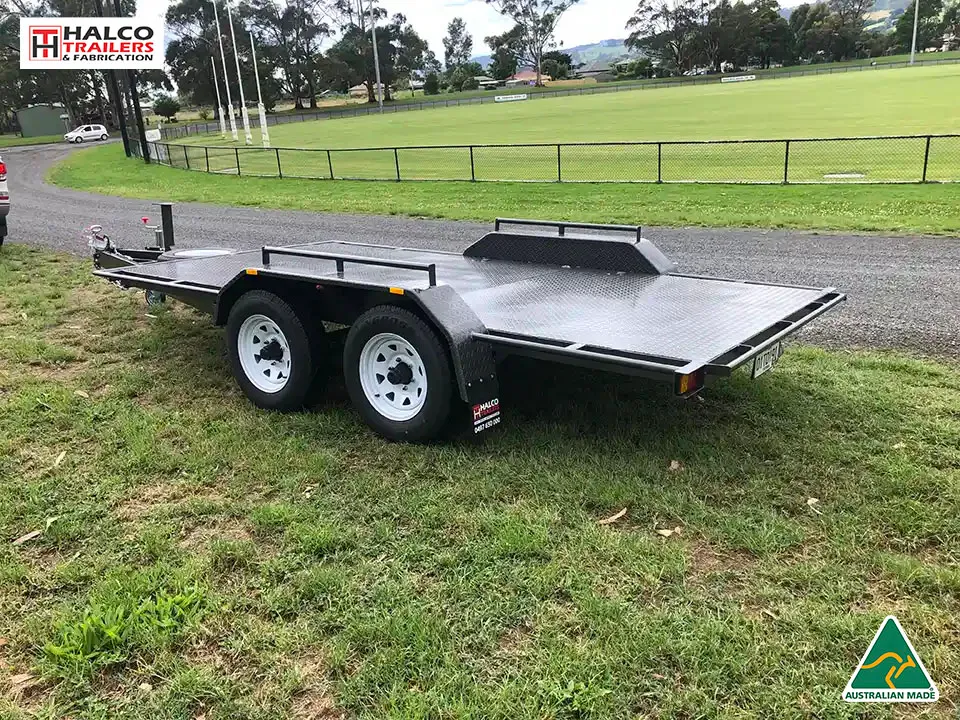
Proper load management reduces workplace injuries, prevents equipment damage, and ensures compliance with Australian transport and WHS regulations.
When scaffolding is transported without a dedicated system, the risks compound quickly. Unbalanced loads can shift during transit, unsecured planks can fall during unloading, and manual lifting increases fatigue across crews.
A scaffolding trailer for sale is designed specifically to:
- Distribute weight evenly
- Secure frames, planks, and braces
- Minimise lifting height and awkward movements
- Keep equipment organised and accessible
This is especially valuable on projects operating across regional and metropolitan areas, where equipment is moved frequently between sites.
How Scaffolding Trailers Improve On-Site Safety
1. Reduced Manual Handling Risks
Purpose-built scaffold trailers feature organised racks, side-loading systems, and ground-level access points. This design significantly reduces bending, twisting, and over-reaching, the most common contributors to musculoskeletal injuries on construction sites.
Manual handling injuries and transport-related incidents continue to be among the leading causes of serious workplace injury in the construction sector. According to Safe Work Australia’s 2025 national data, vehicle-related incidents remain one of the leading causes of fatalities in the construction sector, according to Safe Work Australia reinforcing the importance of secure, purpose-built transport solutions such as scaffolding trailers.
2. Improved Load Stability During Transport
Unlike improvised transport setups, trailer scaffolding systems are engineered to restrain loads securely. Frames, planks, and fittings are locked into position, preventing movement during braking, acceleration, or cornering. A scaffolding trailer directly addresses these risks by providing a structured, purpose-built transport and storage system.
From a compliance perspective, purpose-built scaffolding trailers are designed to support Australian Design Rules, including ADR 38/05 (Braking Systems) and ADR 43/04 (Vehicle Configuration and Dimensions). These standards help ensure trailers remain stable under load, brake effectively when fully stocked, and operate safely across both metropolitan and regional road networks.
3. Faster and Safer Site Setup
With equipment organised and clearly separated, crews spend less time searching, sorting, or lifting incorrectly. Faster setup means less congestion during morning site mobilisation.
4. Compliance With Load Restraint Regulations
Australian transport regulations require loads to be restrained against movement in all directions. A scaffolding trailer is designed with these requirements in mind, reducing the risk of roadside breaches or insurance issues.
5. Cleaner, Safer Work Zones
By storing scaffolding on the trailer rather than scattered across site, walkways remain clear and trip hazards are reduced, particularly important on compact urban builds.
Real-World Application: From Transport Chaos to Controlled Workflow
Consider a mid-scale commercial project operating across Melbourne and nearby regional centres. The team was transporting scaffolding on open trucks, requiring multiple tie-downs and repeated handling at every site change.
After switching to a dedicated scaffolding trailer, the outcomes were immediate:
- Equipment was loaded once and moved securely between locations
- Setup times dropped noticeably
- Manual handling incidents declined
- Site organisation improved across all trades
This type of improvement is now driving adoption across both metropolitan and regional Victoria, including projects extending into Gippsland.
Why Demand for Scaffolding Trailers Is Rising in Victoria
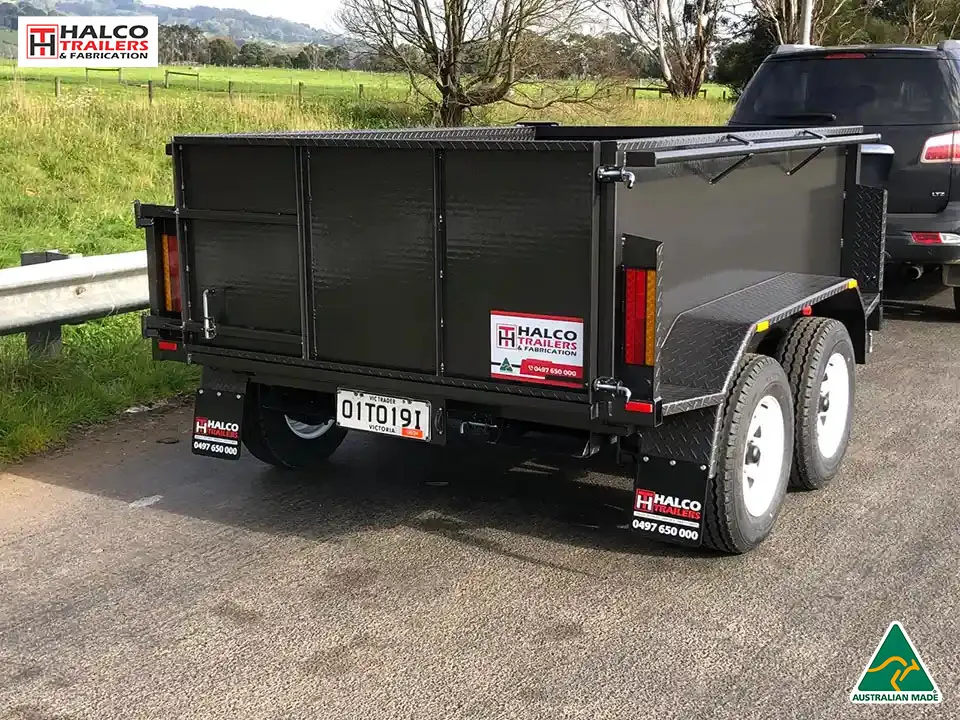
Across Victoria, contractors are increasingly turning to established Australian manufacturers such as HALCO TRAILERS for scaffolding transport solutions that meet local compliance standards. Purpose-built designs developed for Australian site conditions help ensure consistent load restraint, durability, and safer day-to-day handling across metropolitan and regional projects.
Construction activity across Victoria continues to spread beyond the CBD into regional growth areas and transport corridors. Projects operating between Melbourne, Dandenong, and surrounding regions require mobile, compliant solutions that reduce downtime between jobs.
For contractors servicing areas such as Traralgon, Drouin, or Trafalgar, equipment often travels longer distances and is used across multiple job types. A scaffolding trailer for sale becomes a long-term investment that improves consistency and safety across every project.
Rather than re-securing loads daily, teams benefit from a system that is ready to move at a moment’s notice.
Key Features to Look for in a Scaffolding Trailer
Reputable manufacturers design scaffold trailers with trade-specific workflows in mind, making them a practical choice for builders and hire companies managing frequent site movements.
Not all scaffolding trailers are created equal. Contractors should assess build quality, engineering standards, and long-term durability when selecting equipment for Australian worksites. High-quality scaffolding trailers are typically constructed using 350 Grade high-tensile steel manufactured to Australian Standards, delivering excellent strength-to-weight performance, resistance to structural fatigue, and reliable long-term performance under demanding Australian site and transport conditions.
- Load capacity appropriate to scaffold volume
- Frame-specific racks to prevent movement
- Plank storage systems that reduce lifting strain
- Durable construction suitable for Australian site conditions
- Ease of access to minimise handling time
- Compatibility with commonly used scaffold systems
A well-designed trailer scaffold setup should improve workflow, not complicate it.
Industry Trends: Mobile Safety Solutions in 2026
Across Australia, construction is moving toward preventative safety design rather than reactive compliance.
Industry data from Safe Work Australia and ABS construction reports shows increasing emphasis on:
- Reducing manual handling exposure
- Improving transport safety
- Documented compliance processes
- Mobile, multi-site equipment solutions
This reflects a broader shift in how contractors view equipment investments. Tools like scaffolding trailers are no longer optional accessories, they are integral to risk management and operational efficiency.
Why Scaffolding Trailers Make Business Sense
Beyond safety, scaffolding trailers improve operational efficiency. Reduced setup time, fewer injuries, and better equipment protection all contribute to lower long-term costs.
For businesses servicing multiple sites, whether within Melbourne or extending into regional Victoria, a dedicated scaffolding trailer provides consistency across projects and crews.
Conclusion: Safer Transport, Smarter Construction
In modern construction, safety and efficiency are inseparable. A scaffolding trailer improves both by controlling load movement, reducing manual handling, and creating cleaner, more organised work sites.
As projects grow more complex and compliance expectations rise, scaffolding trailers are becoming a standard part of responsible site management across Australia.
The question for contractors is no longer whether a scaffolding trailer adds value, but how soon adopting one can reduce risk, improve workflow, and support long-term growth.