



Custom Trailers Melbourne
Halco Trailers builds the custom trailers Melbourne trades, farms, businesses and equipment owners need for specialised transport requirements. Each trailer is manufactured at our Warragul workshop and planned around the load it must carry, the towing vehicle, required dimensions, loading method, storage needs and typical working conditions.
Whether you need a tradesman trailer, enclosed trailer, plant trailer, car carrier or specialised configuration, our team can help develop a practical specification for the job.
Send us the maximum expected load, cargo dimensions, towing vehicle and required features to begin your custom trailer quote.
A custom trailer is designed around a defined load and working requirement rather than a standard configuration. Its dimensions, capacity, axle setup, access, ramps, storage, tie-down points and finish are considered as part of one complete trailer specification.
A custom trailer is designed around a defined load and working requirement rather than a standard configuration.
Its dimensions, capacity, axle setup, access, ramps, storage, tie-down points and finish are considered as part of one complete trailer specification.
Explore Our Range of Custom Trailers
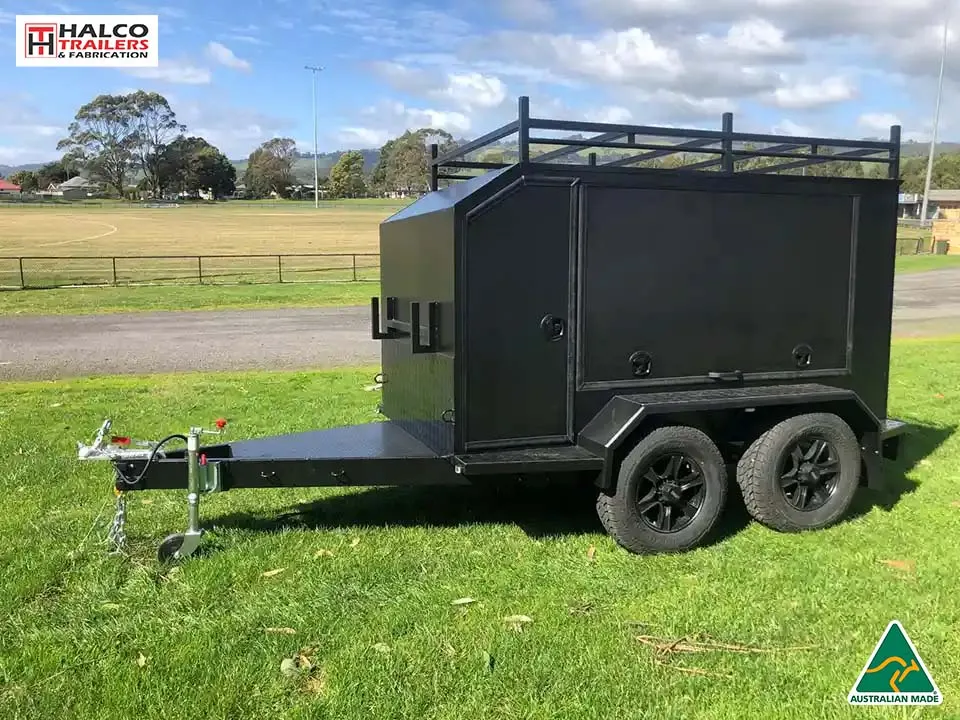
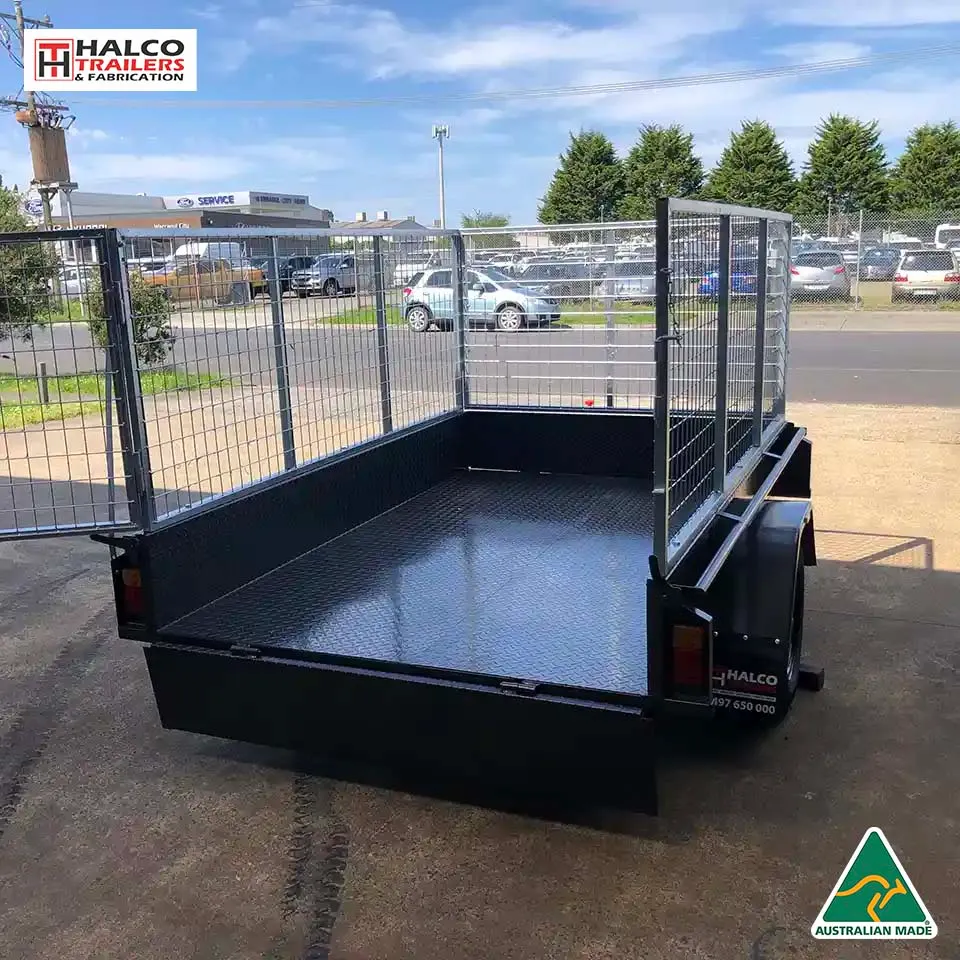
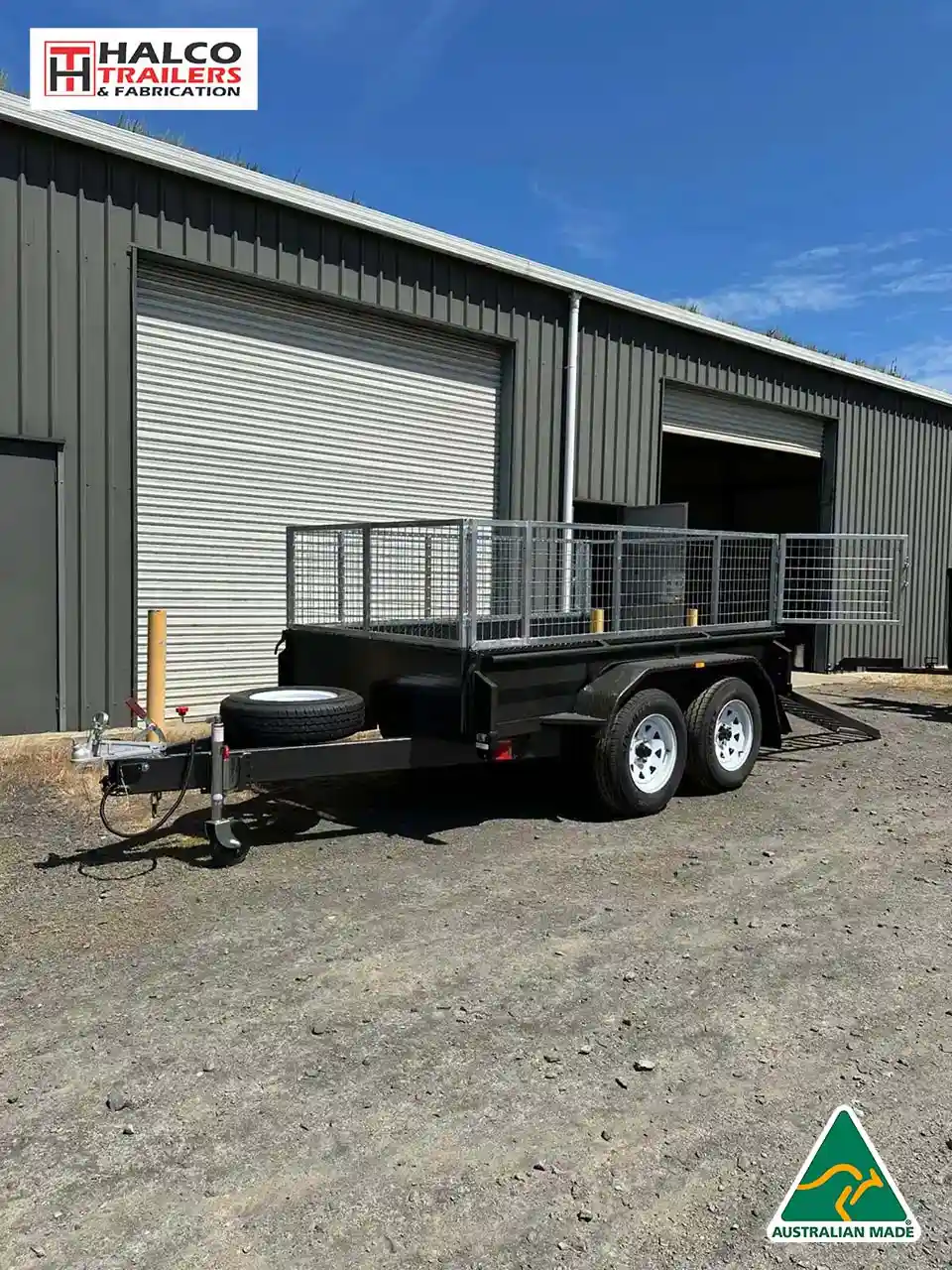
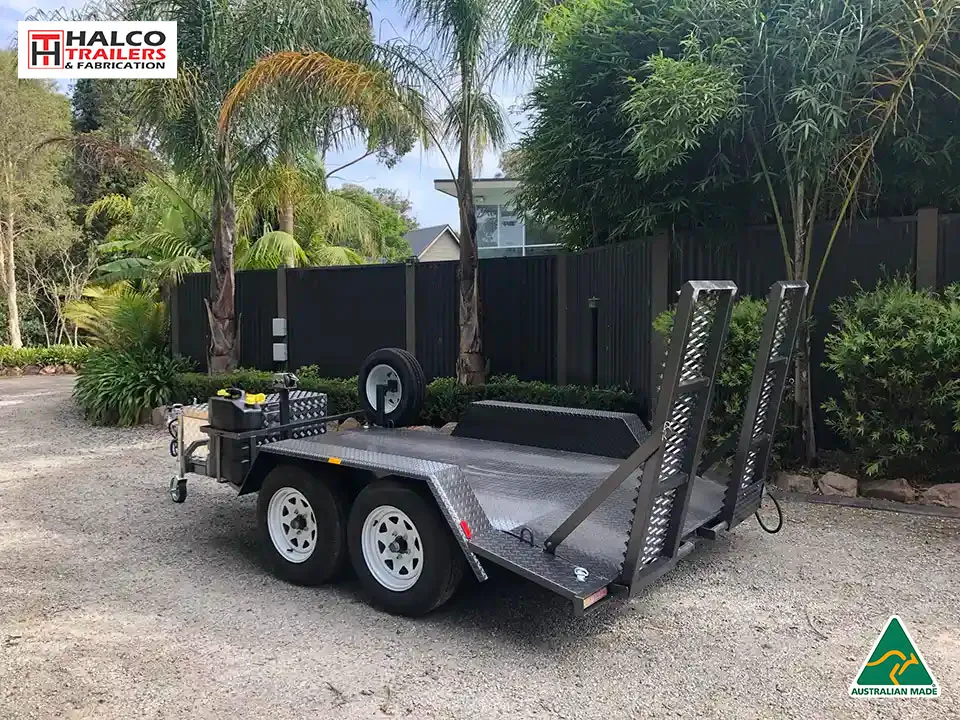
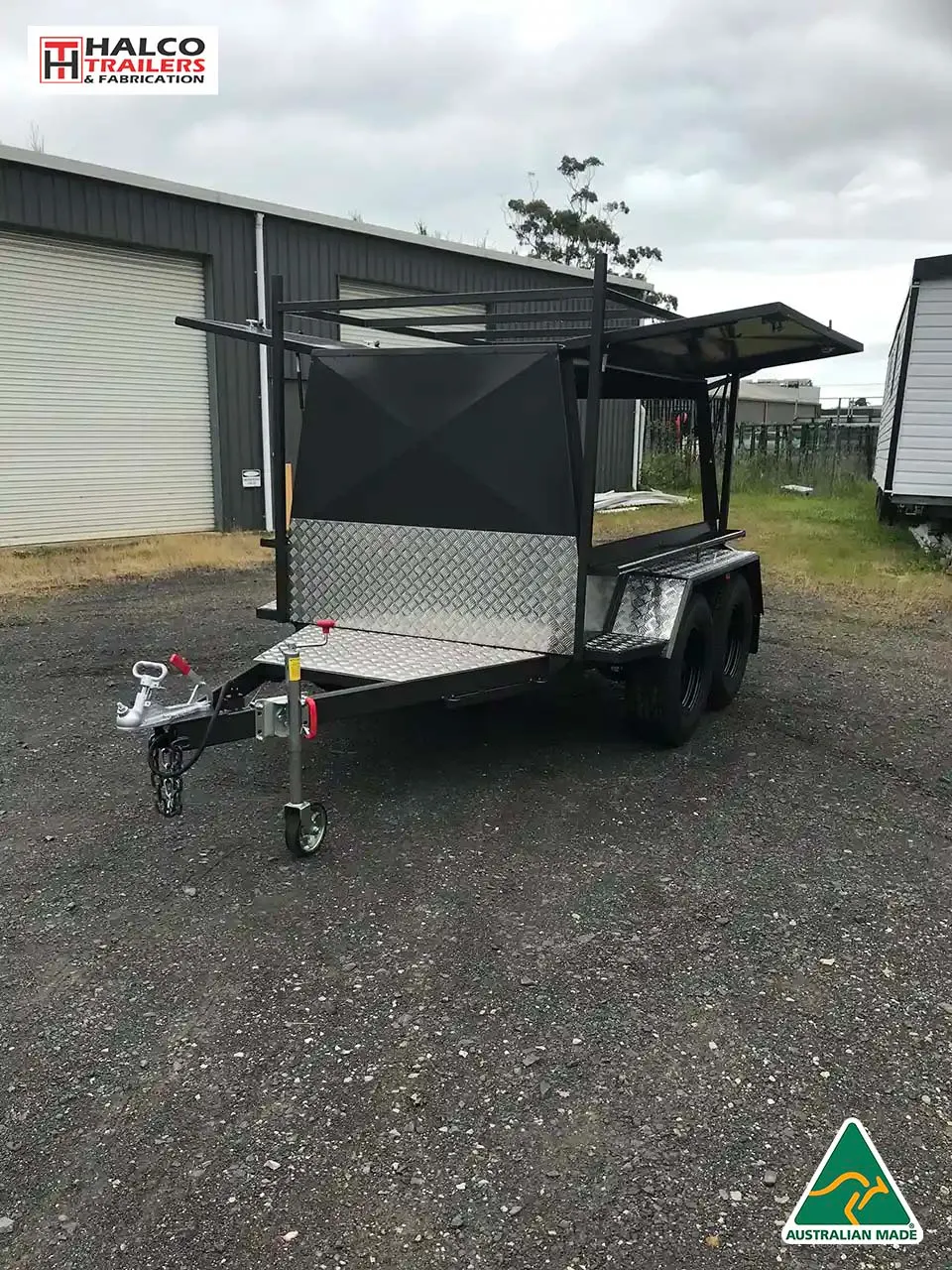
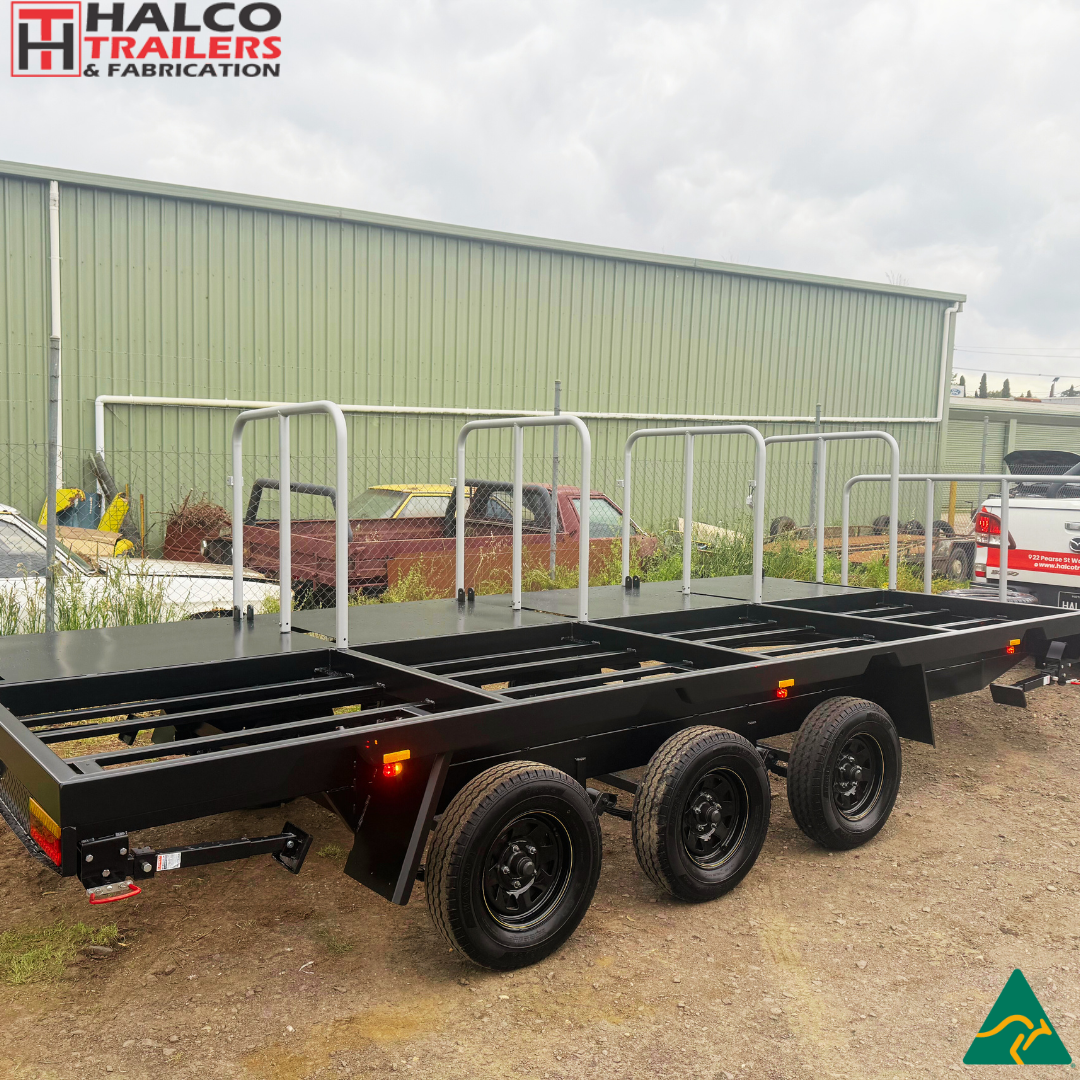
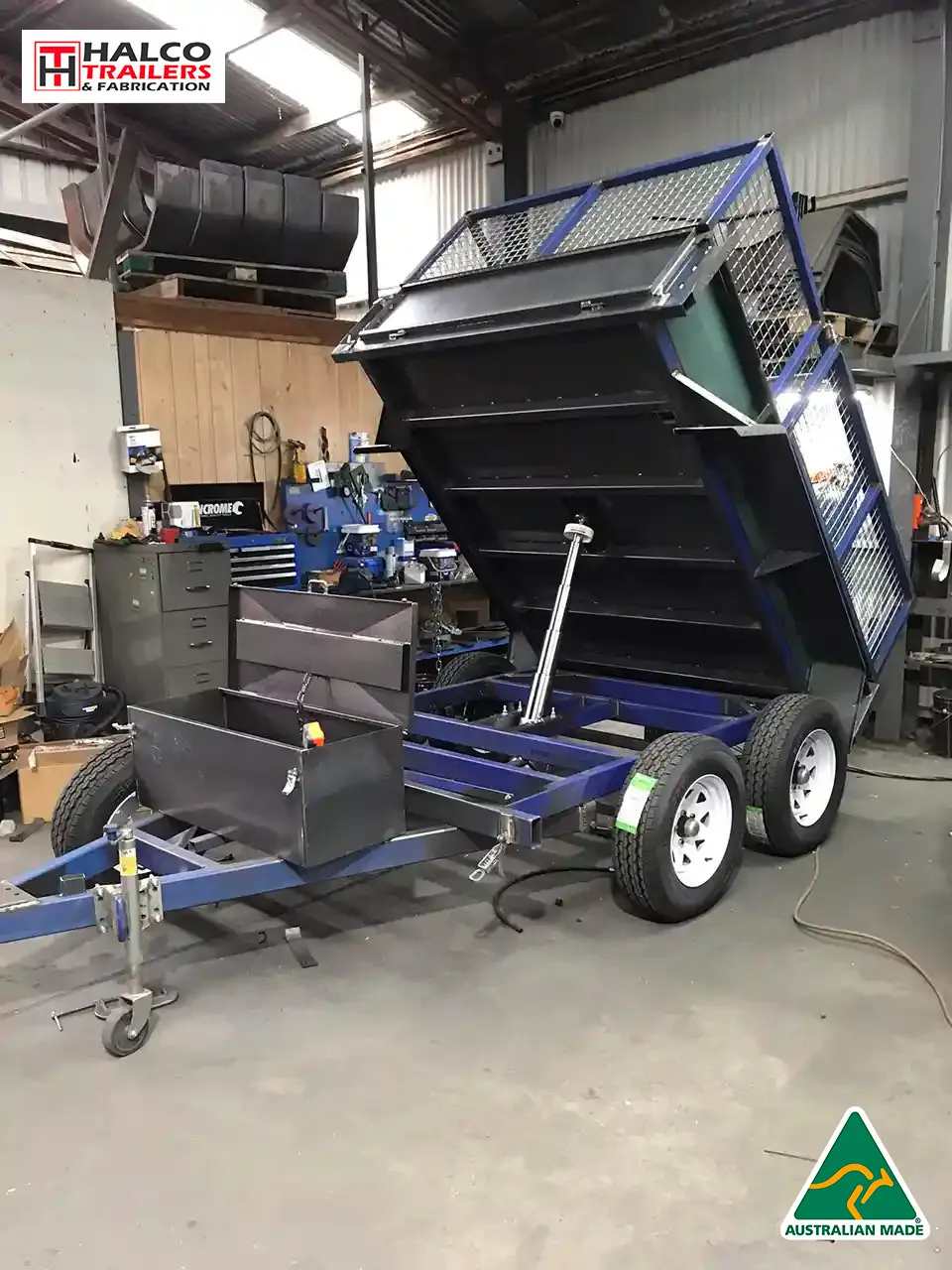
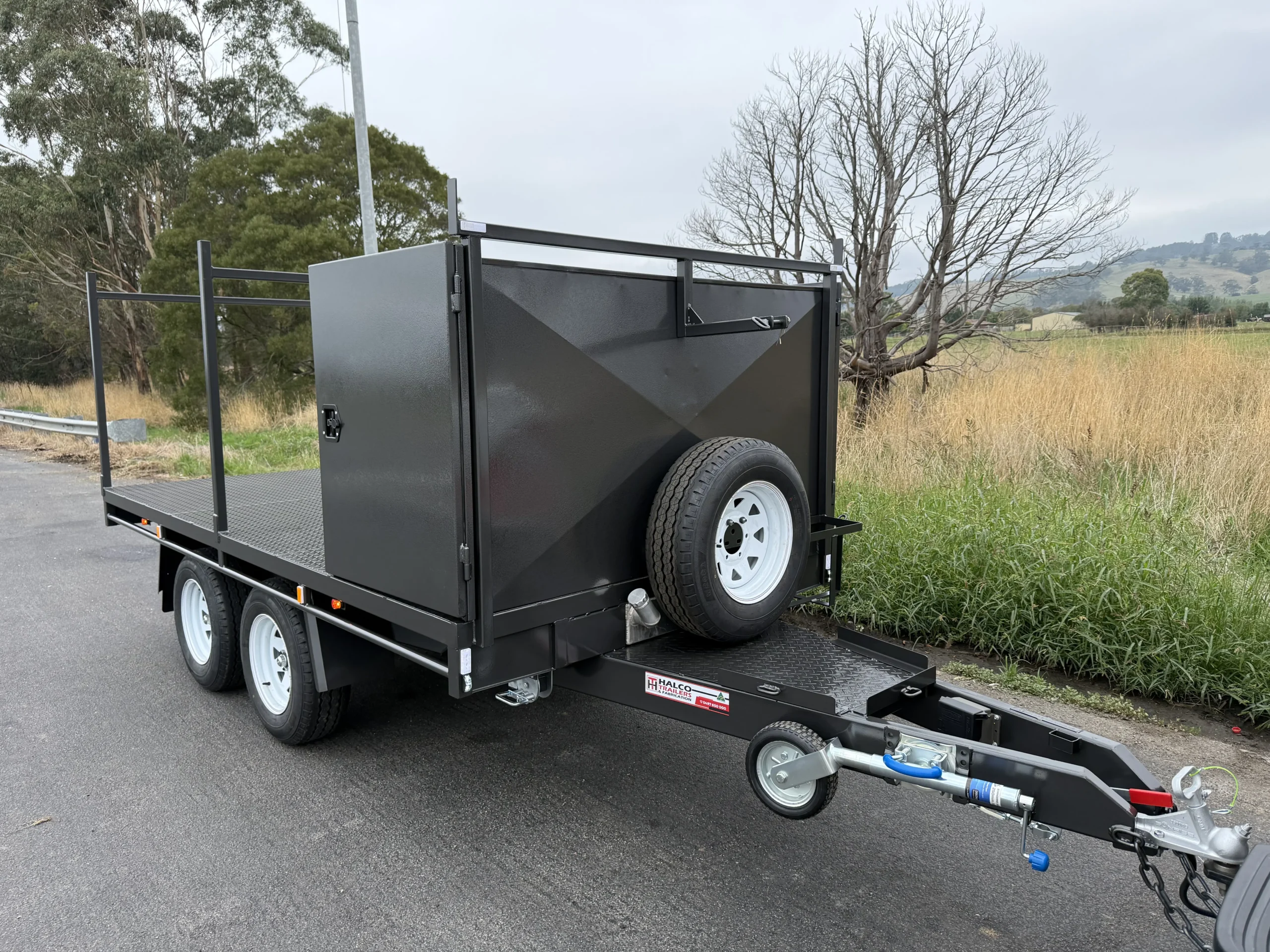
Our custom trailers in melbourne are purpose-built for stability, balance, and safety ideal for professional transporters, mechanics, and car enthusiast.
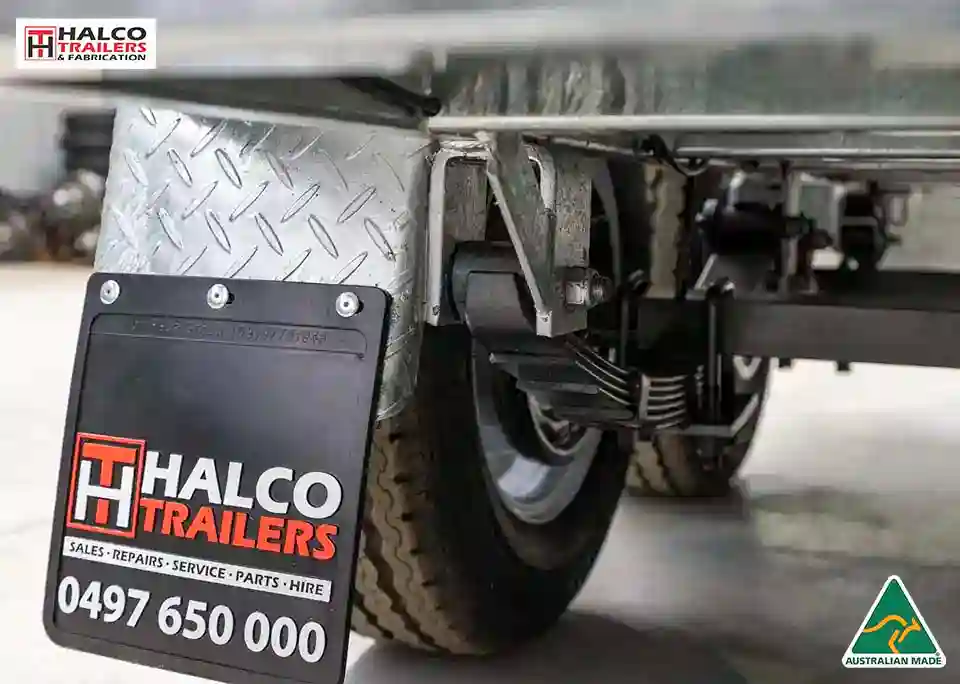
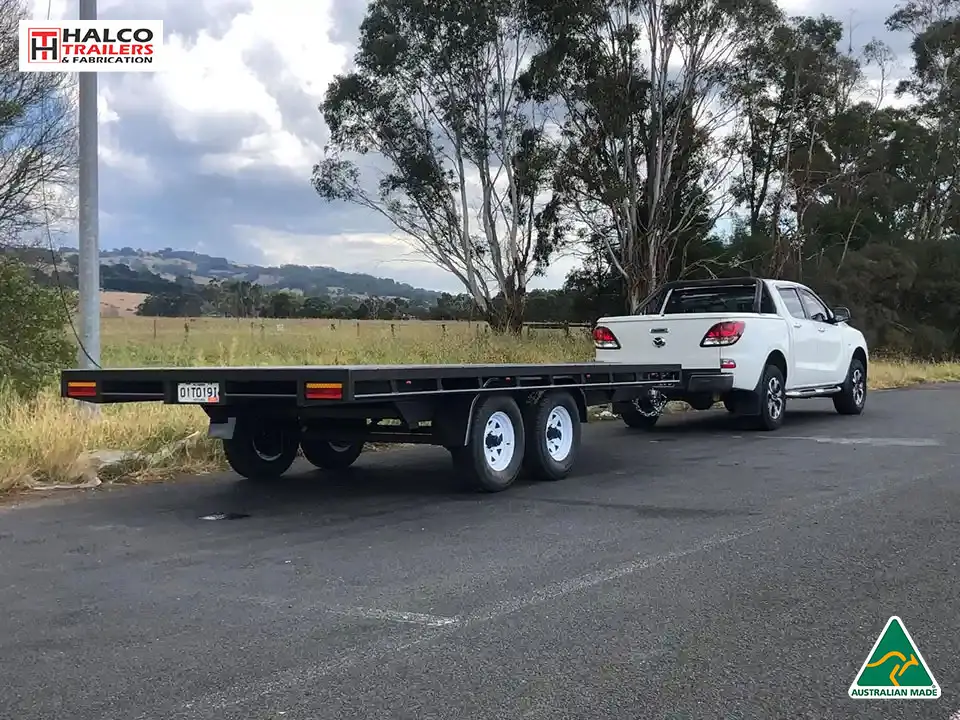
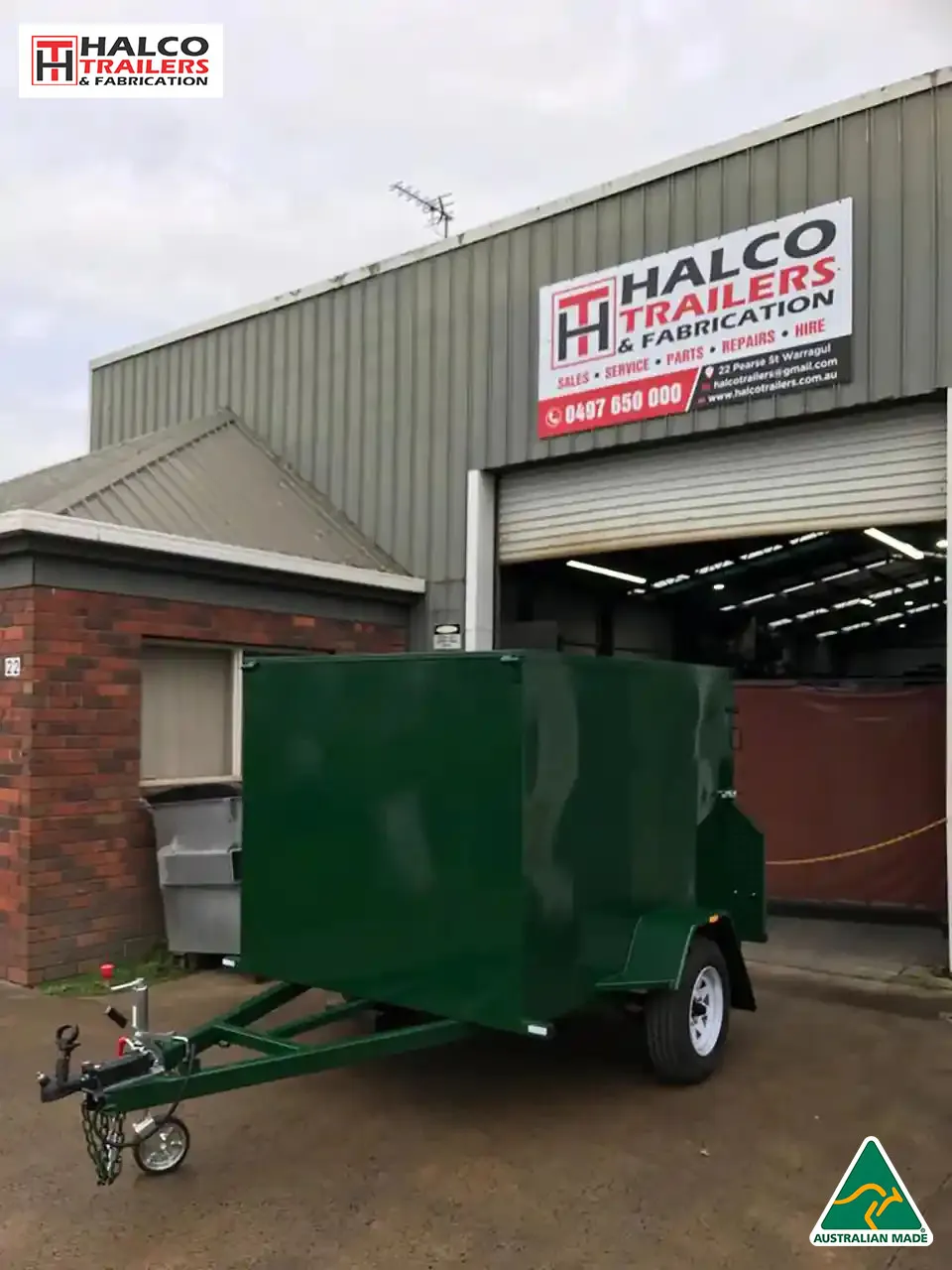
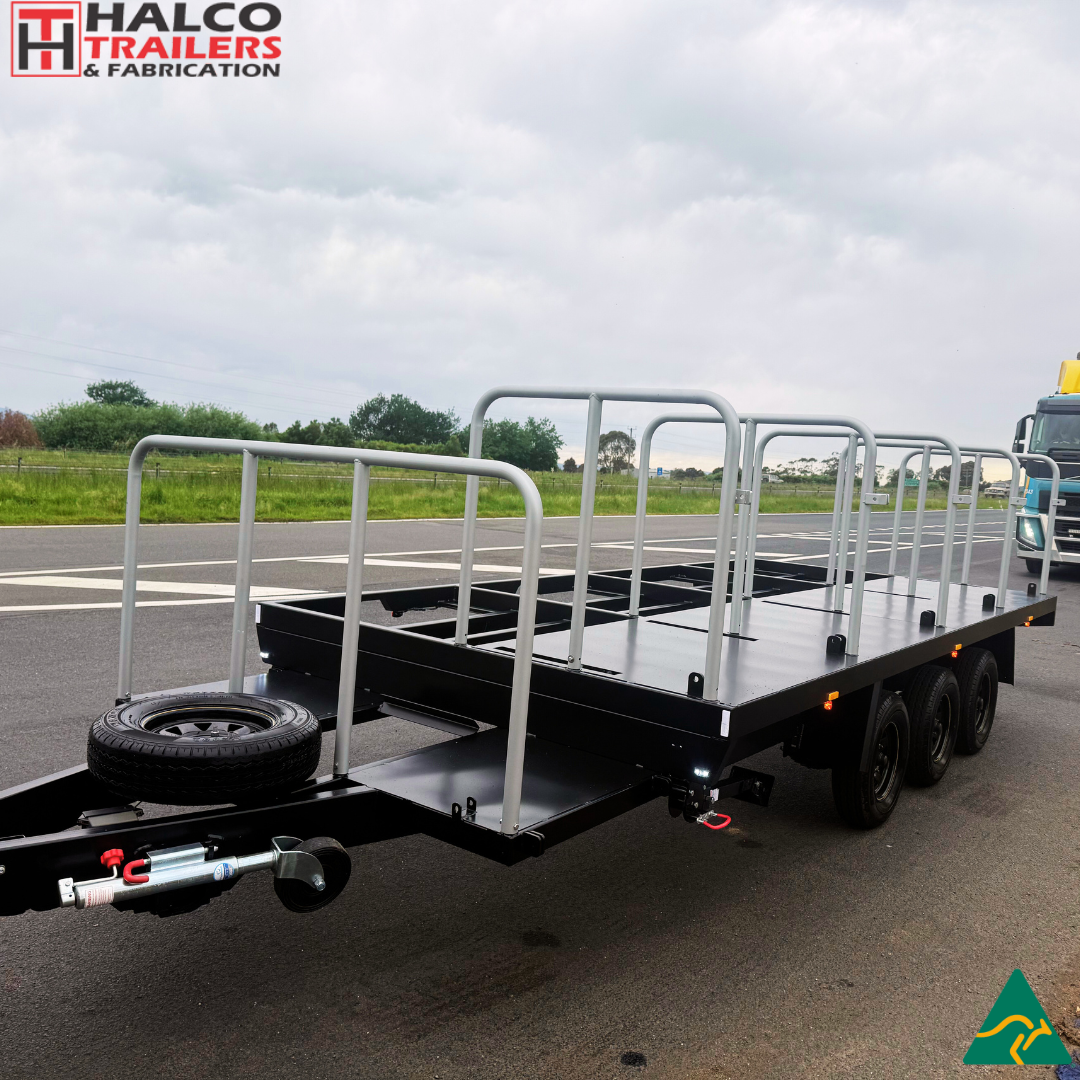
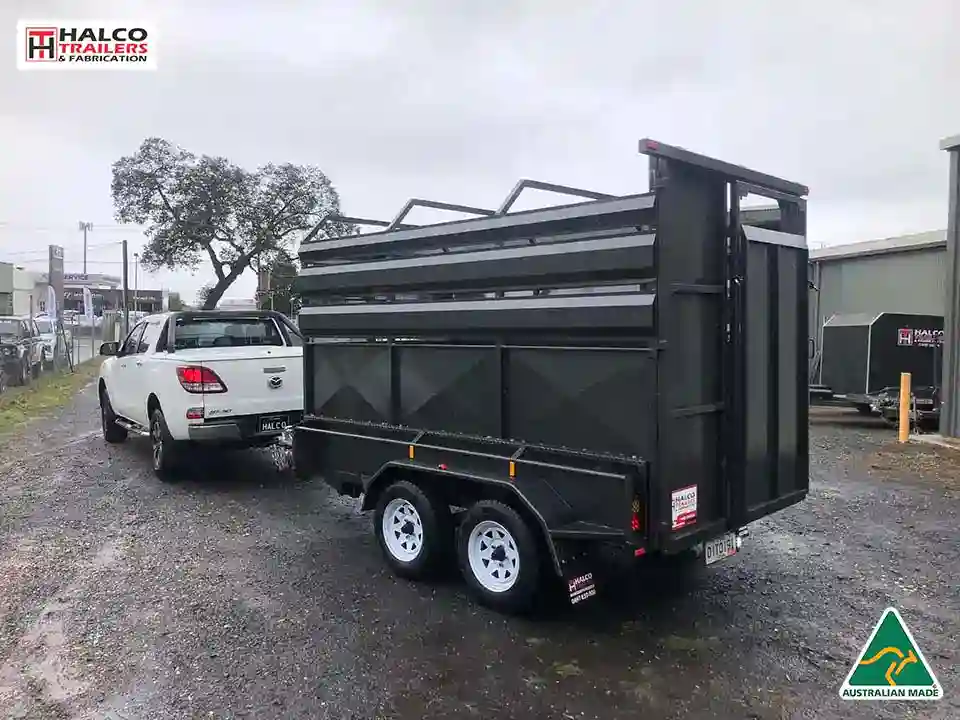
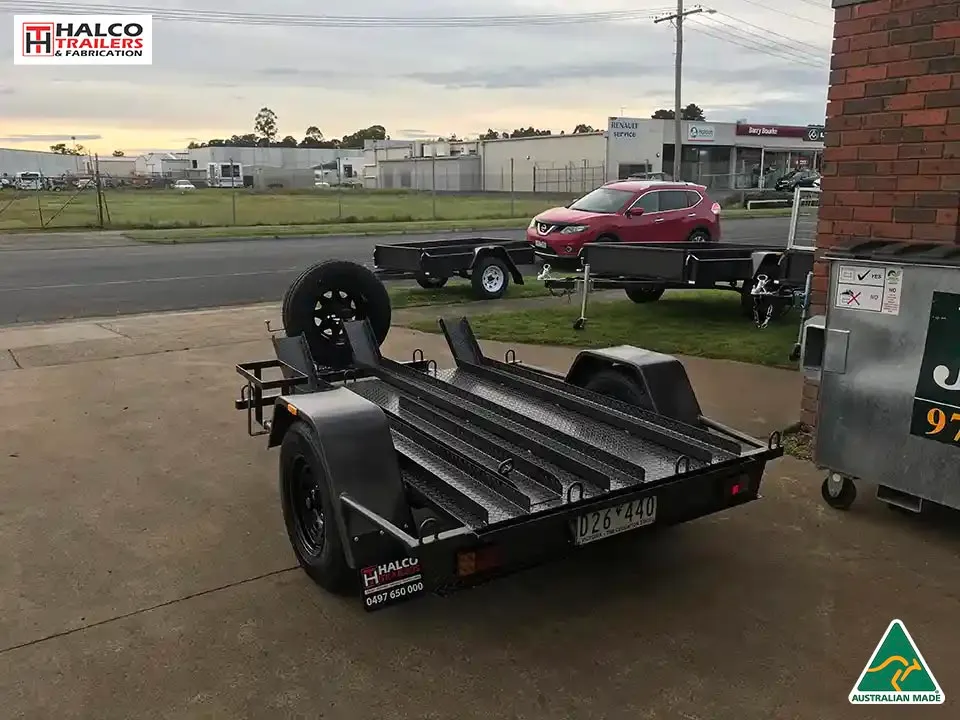
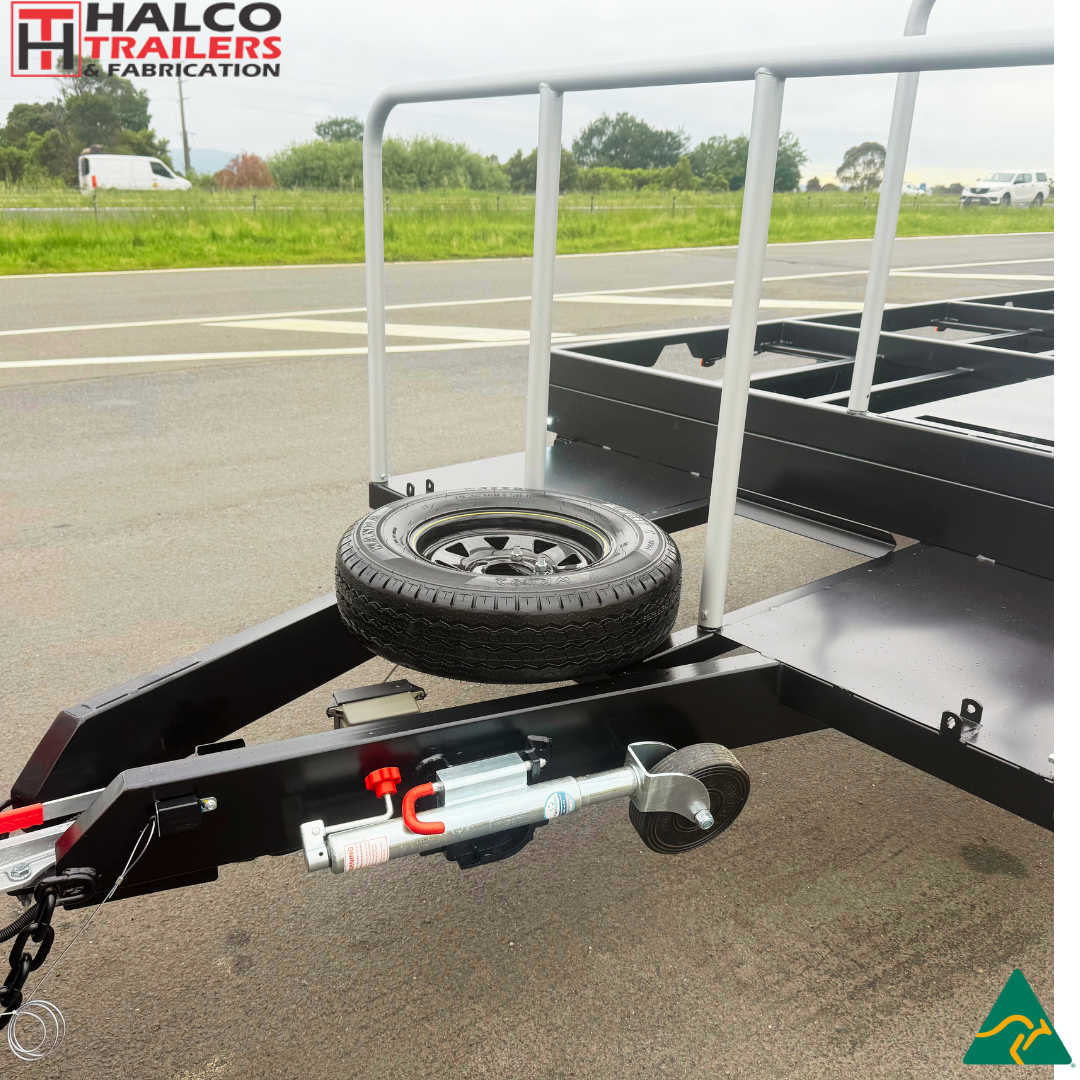
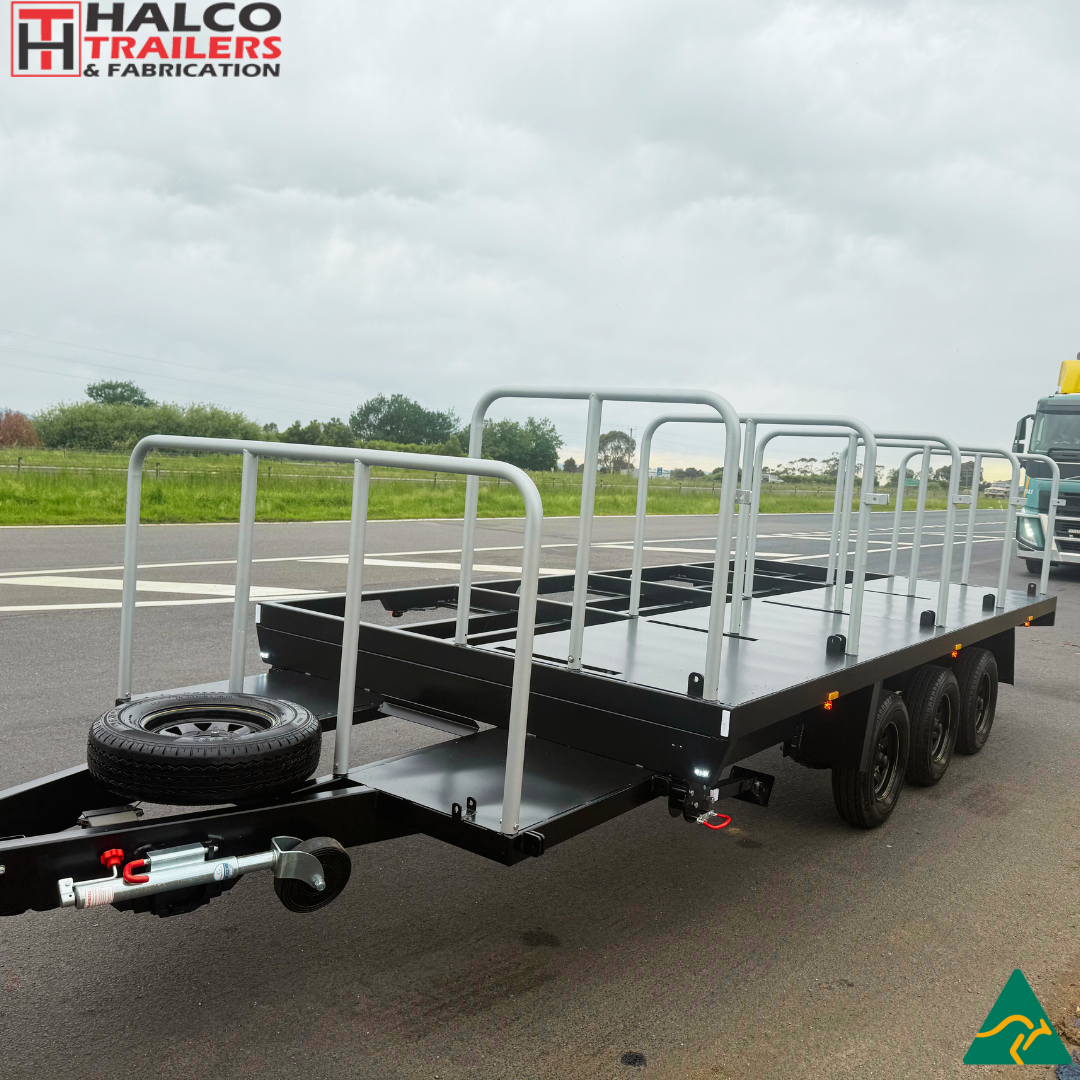
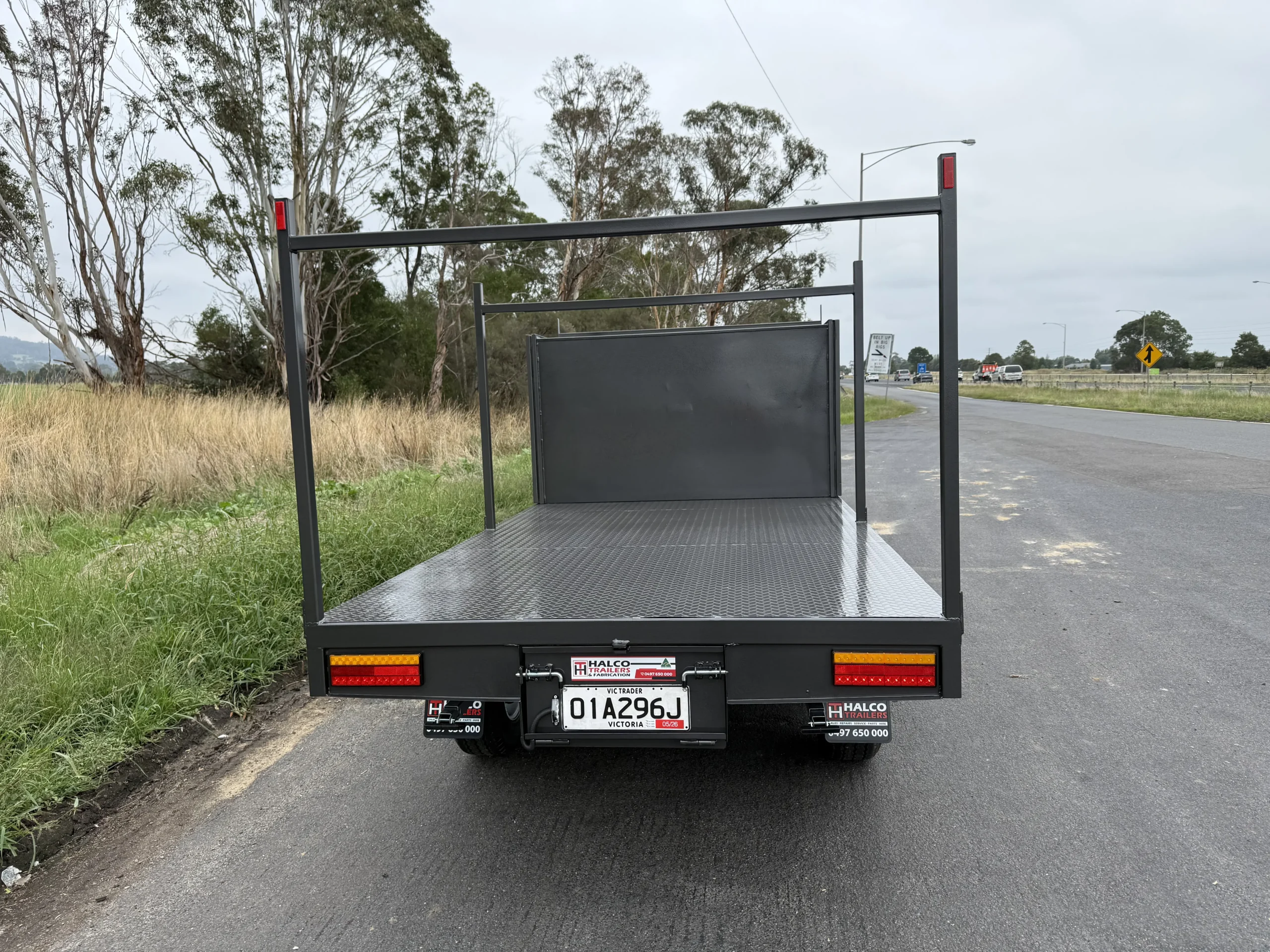
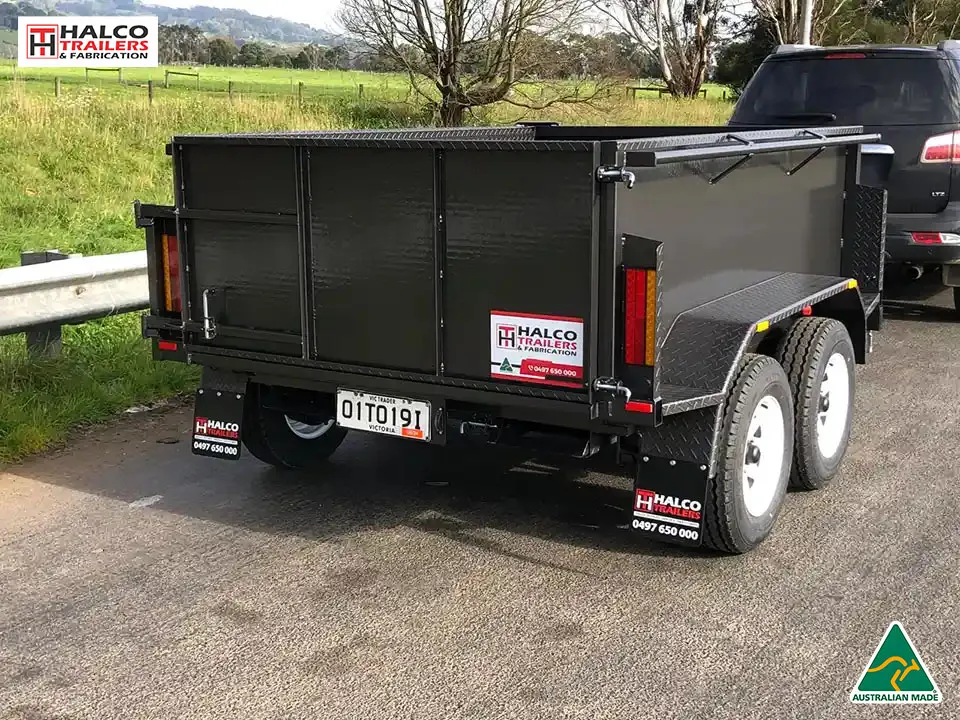
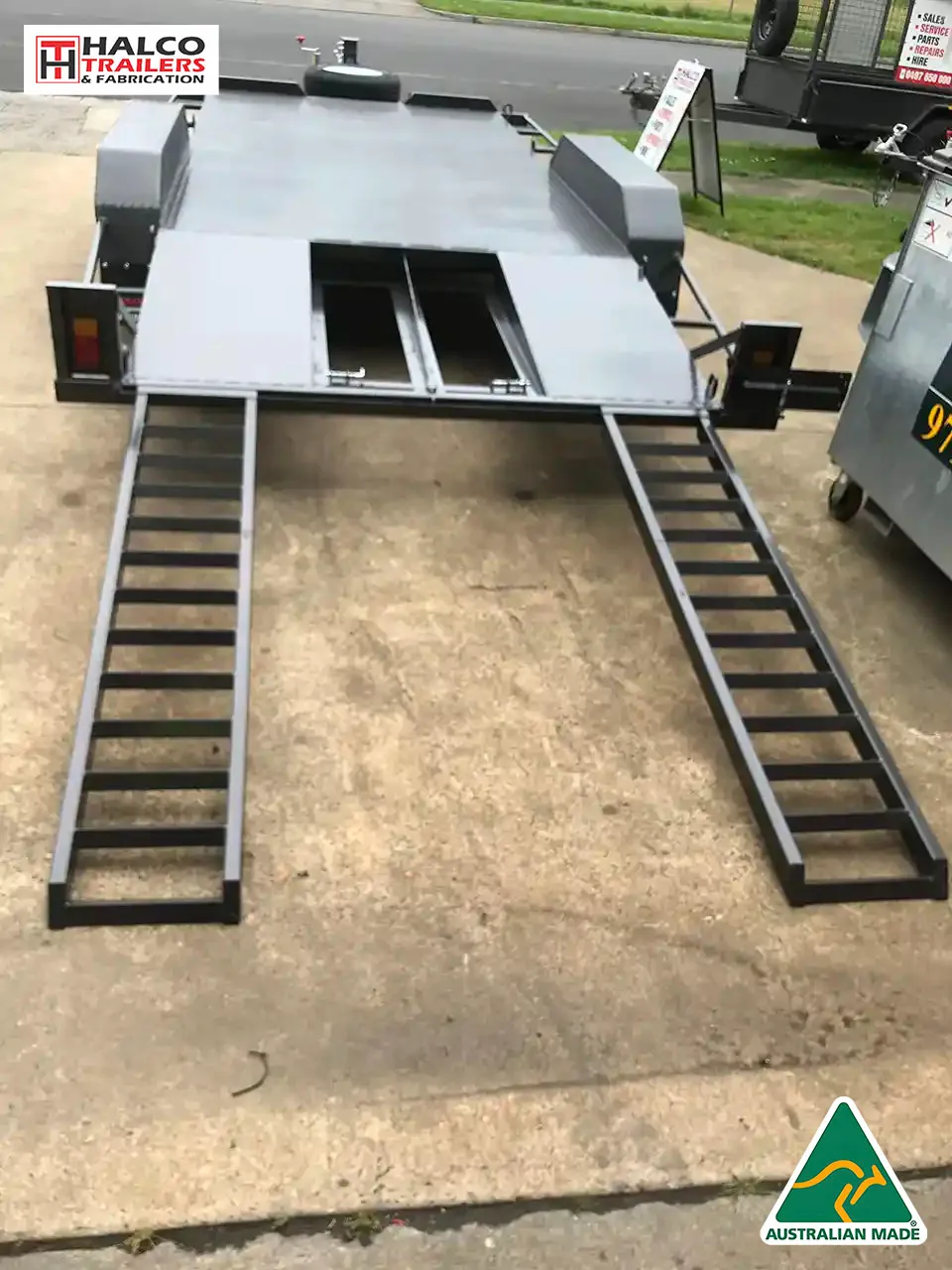
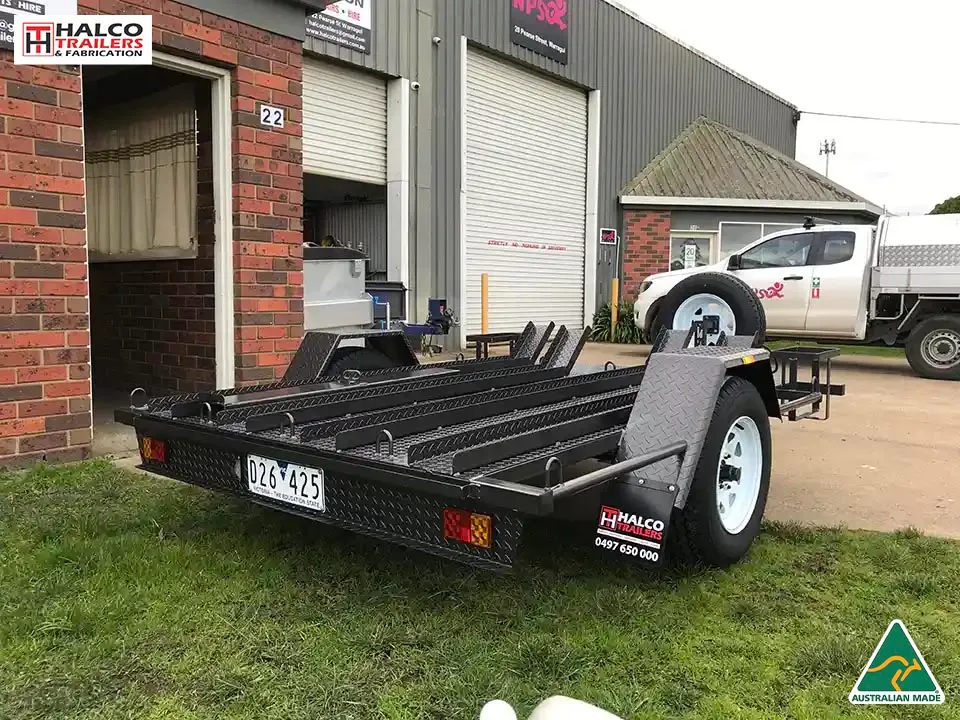
Custom Trailers Melbourne Built Around Your Requirements
A standard trailer may be suitable when its dimensions, capacity and features already match the job. A custom build is more appropriate when you need to transport unusual equipment, improve loading access, organise tools or configure the trailer around a repeatable work process.
Your trailer can be planned around:
- The dimensions and weight of the intended load
- Your towing vehicle
- Loading and unloading requirements
- Storage and access needs
- Open or enclosed body construction
- Axle and suspension configuration
- Braking requirements
- Tie-down and load-restraint points
- Ramps, tailgates or hydraulic equipment
- Lighting and electrical requirements
- Flooring and finish
- Typical road, farm or worksite conditions
The objective is not to add unnecessary features. It is to create a practical trailer that suits how you work and what you need to transport.
Custom Trailers at a Glance
| Question | Answer |
|---|---|
| Where are Halco trailers built? | At Halco’s workshop in Warragul, Victoria |
| Who does Halco serve? | Melbourne, Gippsland and regional Victorian customers |
| What information is required? | Load weight, dimensions, towing vehicle and required features |
| Can trailer dimensions be customised? | Yes, where the proposed dimensions suit the design and applicable requirements |
| How is pricing calculated? | From the size, capacity, materials, components, finish and accessories |
| How do I begin? | Submit a quote request with your load and towing details |
Whether you need a tradesman trailer, enclosed trailer, plant trailer, car carrier or specialised configuration, our team can help develop a practical specification for the job.
Send us the maximum expected load, cargo dimensions, towing vehicle and required features to begin your custom trailer quote.
Types of Custom Trailers We Build
Halco builds trailers for trade, machinery, vehicle, commercial and general transport applications. The appropriate design depends on the intended load and the way the trailer will be used.
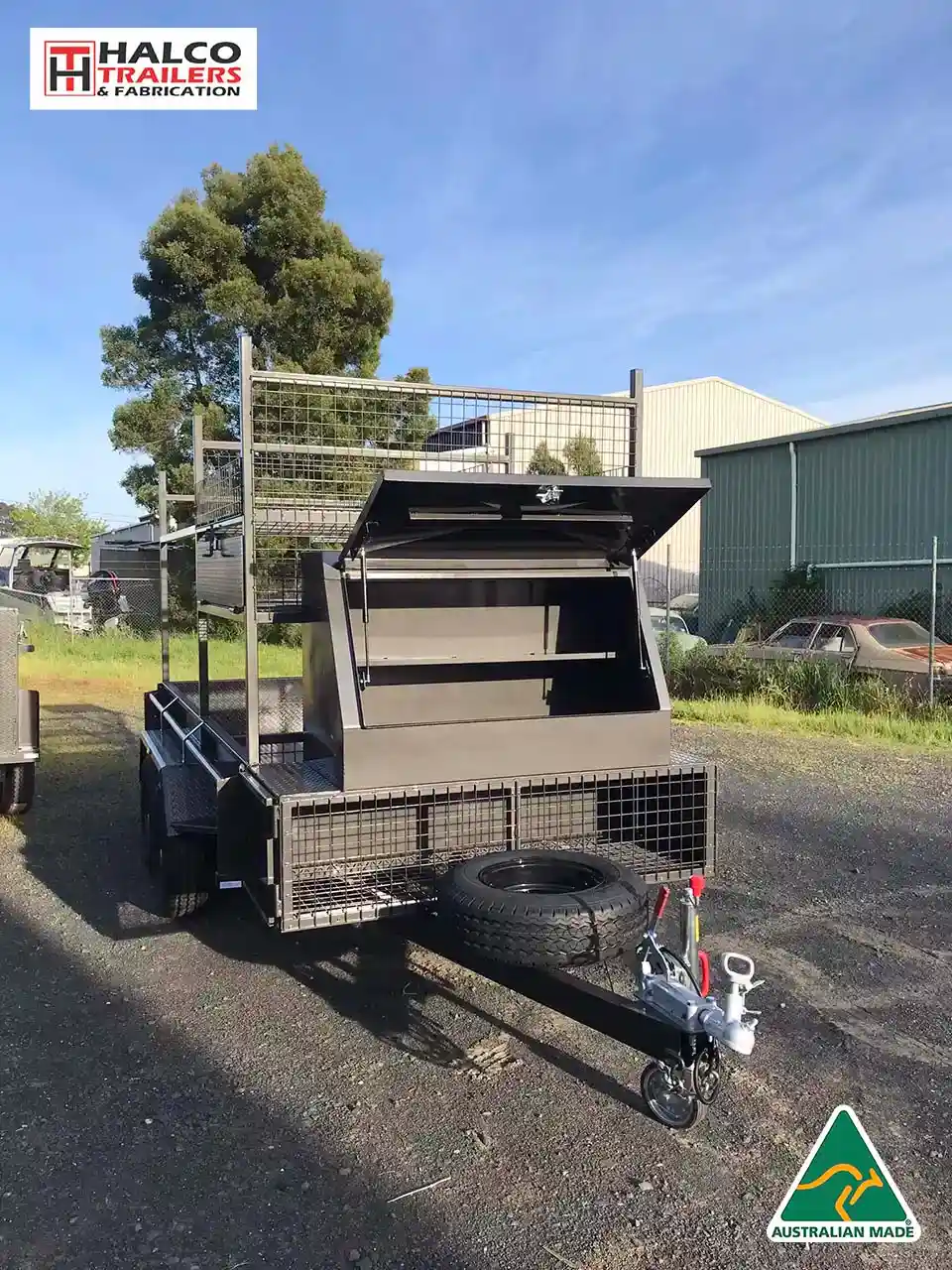
Custom tradesman trailers
A tradesman trailer can be arranged around your tools, equipment and daily workflow.
Features can include secure compartments, shelving, drawers, side-access doors, ladder racks and dedicated equipment storage. The layout should provide practical access to frequently used tools without adding unnecessary weight or reducing usable space.
Tradesman trailers are commonly used by builders, electricians, plumbers, landscapers and mobile service operators.
Plant and machinery trailers
A plant trailer should be designed around the dimensions, operating weight and loading characteristics of the equipment being transported.
Important considerations include:
- Deck dimensions
- Ramp length
- Loading angle
- Equipment ground clearance
- Tie-down locations
- Axle placement
- Braking requirements
- Approved trailer capacity
Provide the machine’s verified specifications when requesting a quote.
Custom enclosed trailers
An enclosed trailer provides covered transport and storage space for tools, equipment, products or other loads that require additional protection.
The layout can account for access doors, internal storage, tie-down positions, lighting, ventilation and loading ramps. Door and ramp placement should reflect how the trailer will be used at the workshop, farm or worksite.
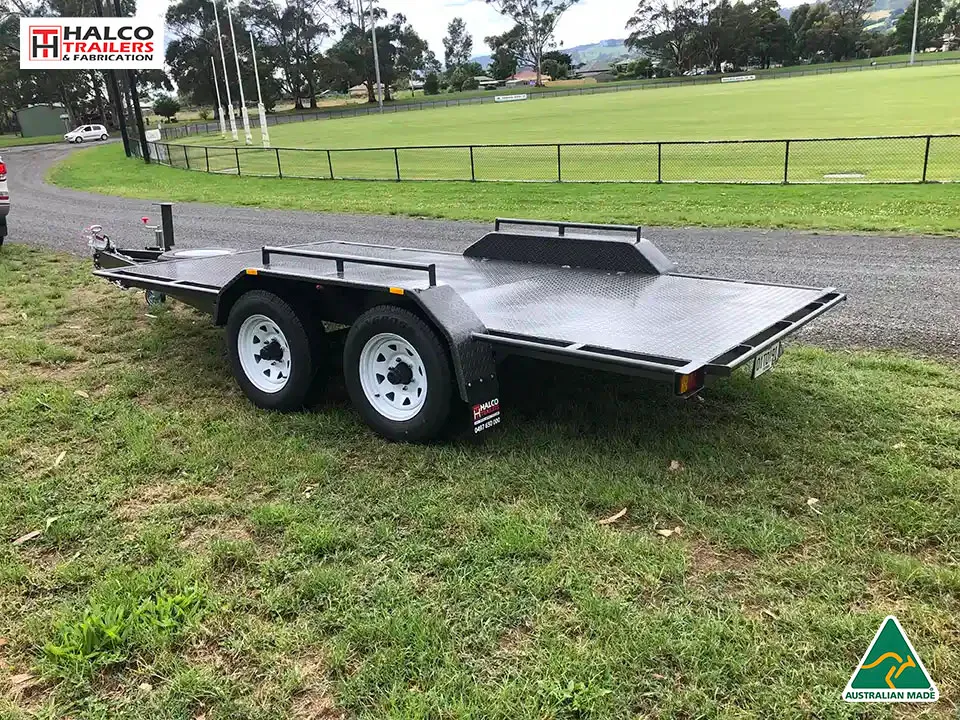
Custom car trailers
A car trailer may require a particular deck length, track width, ramp arrangement or loading angle.
Custom configurations can be developed for classic cars, race cars, low-clearance vehicles, project vehicles and general vehicle transport. The design should account for the vehicle’s weight, dimensions, ground clearance and preferred restraint method.
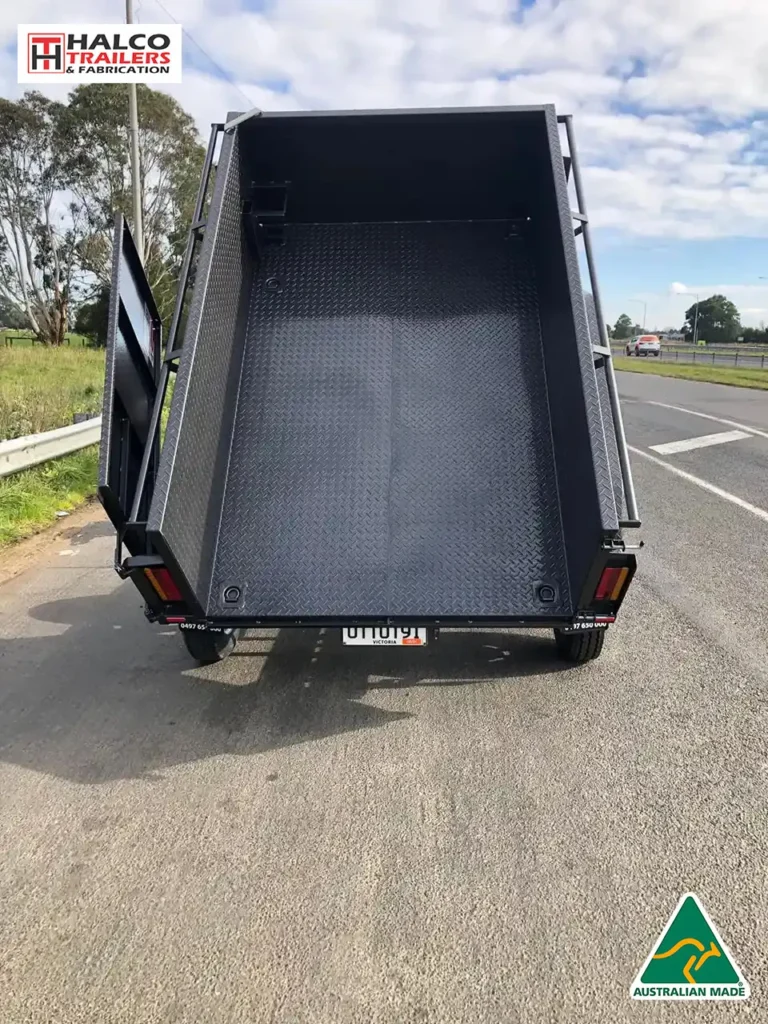
Hydraulic tipping trailers
A hydraulic tipping trailer can make unloading suitable materials more efficient.
The body dimensions, hydraulic system and approved capacity should be selected according to the material being transported and the trailer’s expected working conditions.
Flat-top trailers
A flat-top trailer provides an open deck for machinery, pallets, building materials and loads that require side or overhead access.
The configuration can incorporate removable sides, headboards, loading ramps, tie-down points and application-specific deck dimensions.
Tandem trailers
A tandem trailer uses two axles and can suit applications requiring a larger body or different load distribution from a typical single-axle trailer.
A tandem axle arrangement does not automatically determine the trailer’s capacity. The chassis, suspension, axles, brakes, tyres, coupling and completed design must all be appropriately specified.
Tandem trailers
Custom box trailers
A box trailer can be configured with cages, covers, racks, ramps, compartments or other practical additions.
The final arrangement should reflect what the trailer will carry, how it will be loaded and how frequently it will be used.
Special-purpose trailers
Halco can also assess trailer requirements that do not fit neatly within a standard product category.
Provide a clear description of the application, intended load, required dimensions and any specialised access, storage or operating requirements.
Our Custom Trailer Design and Build Process
A clear initial brief helps reduce uncertainty and allows the trailer to be assessed as one complete system.
1. Tell us what the trailer must carry
Start with the equipment, vehicle, tools or materials the trailer will transport.
Useful information includes:
- Maximum expected load weight
- Load length, width and height
- Loading and unloading method
- Frequency of use
- Typical travel conditions
- Towing vehicle details
- Required storage or accessories
Photographs, equipment manuals and simple layout sketches can also help explain the requirement.
2. Confirm the proposed configuration
The proposed configuration can consider:
- Body or deck dimensions
- Axle arrangement
- Suspension
- Braking system
- Coupling
- Wheels and tyres
- Ramp or tailgate design
- Toolboxes and compartments
- Lighting and electrical features
- Flooring and finish
Individual components should not be selected without considering the intended load, tare mass and final trailer rating.
3. Review the quotation
Your quotation should identify the agreed dimensions, major components, included accessories, finish and any optional items.
Review the proposed specification carefully before approving the build. Changes requested after fabrication begins can affect both the price and completion schedule.
4. Fabrication and fit-out
After the specification is approved, the trailer proceeds through the required fabrication, assembly, wiring and finishing stages.
The exact process depends on the trailer type, body design, selected components and required accessories.
5. Inspection and handover
Before handover, the completed trailer should be checked against its agreed specification and the requirements applicable to the build.
The handover should also explain:
- Approved mass ratings
- Payload limitations
- Coupling operation
- Braking operation
- Tyre information
- Loading considerations
- Maintenance requirements
- Supplied documentation
Trailer Load Capacity Explained
A trailer’s usable load capacity is determined by its approved specifications, not by its external size or appearance.
Aggregate Trailer Mass
Aggregate Trailer Mass, or ATM, is the maximum permitted total mass of a loaded trailer when it is not connected to a towing vehicle.
Tare mass
Tare mass is the mass of the completed trailer when empty.
Permanent additions such as toolboxes, ramps, hydraulic equipment and storage systems contribute to the tare mass.
Payload
Payload is the amount of cargo the trailer can carry.
Payload = ATM minus tare mass
Adding permanent equipment can increase the trailer’s tare mass and reduce the payload available within the same ATM.
Towing capacity
A trailer’s approved rating does not override the towing limits of the vehicle.
The towing vehicle, towbar, coupling and associated equipment must be suitable for the actual loaded trailer. When requesting a quote, provide accurate information about:
- The towing vehicle
- Maximum expected cargo weight
- Frequency and distance of travel
- Road or worksite conditions
- Permanent equipment fitted to the trailer
Do not estimate the required trailer capacity from dimensions alone.
ADR Compliance and Australian Trailer Requirements
Trailers with an Aggregate Trailer Mass of 4.5 tonnes or less are expected to comply with the applicable Australian Design Rules under Australia’s Road Vehicle Standards framework.
The exact requirements vary according to the trailer category, approved mass, components and approval pathway.
Applicable requirements can cover:
- Braking
- Lighting and reflectors
- Couplings
- Safety chains
- Dimensions
- Tyres and wheels
- Identification
- Required documentation
Compliance should be considered during the design and manufacturing process rather than added after fabrication.
The specification and documentation relevant to an individual build should be confirmed before the trailer is approved for production.
For further guidance, refer to the Australian Government’s Vehicle Standards Bulletin 1-Revision 6.
Custom Features and Accessories
Selected features can be incorporated where they suit the trailer’s design, intended load and working application.
Options can include:
- Custom deck or body dimensions
- Single or tandem axle configurations
- Loading ramps
- Tailgates
- Side-access doors
- Toolboxes
- Drawers and shelving
- Ladder racks
- Equipment mounts
- Internal lighting
- External work lights
- Tie-down points and rails
- Cages or removable sides
- Spare-wheel mounts
- Jockey wheels
- Hydraulic tipping systems
- Application-specific finishes
All required features should be identified and agreed upon before the build begins.
Why Choose Halco Trailers?
At Halco Trailers, our custom trailers are built to deliver quality, durability, and reliability. Whether you’re looking for a custom trailer in Melbourne, a custom motorbike trailer, or a custom flat top trailer, we ensure every trailer is tailored to your needs.
The process begins with the load, towing vehicle and intended application. This helps determine whether a standard trailer can be adapted or whether a more specialised design is required.
Customers can discuss their required dimensions, access, storage, loading method and towing setup directly with the trailer manufacturer.
Halco manufactures trailers at its Warragul workshop for customers across Melbourne, Gippsland and regional Victoria.
Halco works across tradesman, enclosed, plant, car, tandem, flat-top, box and other trailer configurations. This allows different design approaches to be considered according to the application rather than relying on one standard layout.
Customers can also contact Halco about relevant trailer parts, servicing and repairs after handover. View trailer parts, servicing and repair information
Halco takes the time to understand what the trailer must carry, how it will be loaded and which vehicle will tow it. This helps identify practical design requirements before fabrication begins and reduces the risk of unnecessary features or unsuitable specifications.
Request a Custom Trailer Quote
Custom trailer pricing is quote-based because every build can involve different dimensions, load ratings, materials, components and features.
To help us assess your requirements, provide as much information as possible about:
- The intended trailer use
- Equipment or cargo being transported
- Maximum expected load weight
- Load length, width and height
- Towing vehicle
- Preferred trailer type
- Required body or deck dimensions
- Loading method
- Ramp or tailgate requirements
- Storage requirements
- Electrical or lighting features
- Preferred finish
- Photographs or equipment specifications
You can also upload equipment photographs, manufacturer specifications or a simple sketch showing the layout you require.
Custom Trailer Specifications
| Customisation Type | Details / Specifications |
|---|---|
| Dimensions (Length & Width) | Fully custom size options based on your requirements |
| Load Capacity | 2000kg to 4500kg GVM |
| Sides | 8″ to 18″ side height options |
| Plate Material | Full checker plate for maximum durability & anti-slip protection |
| Drawbar | 100mm x 50mm heavy-duty drawbar with 10mm safety chain |
| Chassis | 50mm x 50mm or 75mm x 50mm heavy-duty chassis |
| Suspension | 6–9 leaf suspension or Rocker Roller 5–8 leaf |
| Braking System | Hydraulic, Mechanical, or Electric brakes (optional) |
| Ramps | Custom ramps for motorbikes, cars, machinery & equipment |
| Tie-Down Points | Multiple configurable tie-down points |
| Lights & Electrical Setup | LED lights with flat or round plug options |
| Mudguards | Heavy-duty checker plate mudguards with reinforced side rails |
| Finishes (Paint & Coating) | 2 coats of paint + 1 coat zinc primer for corrosion protection |
| Tyres & Wheels | Choice of second-hand or brand-new wheels & tyres |
| Number Plate Holder | Heavy-duty, reinforced number plate holder |
| Wheel Bracket | Spare wheel bracket included |
| Colour Options | Wide range of custom colours available |
Tell Halco what the trailer must carry, the maximum expected load, the vehicle you will use and the features required for loading, storage and daily operationOur team will review your requirements and help determine a suitable trailer configuration for the application.
Request a Custom Trailer Quote
Call: +61 497 650 000
Email: enquiry@halcotrailers.com.au
Workshop: 22 Pearse Street, Warragul, Victoria 3820
FAQs
How much does a custom trailer cost in Melbourne?
Custom trailer pricing is based on the dimensions, approved capacity, materials, components, finish and accessories.
Halco needs information about the intended load, maximum weight, towing vehicle and required features before preparing an accurate quotation.
What information should I provide for a quote?
Provide the load dimensions, maximum expected weight, towing vehicle, loading method and required features.
Photographs, equipment manuals and simple layout drawings can also help explain the application.
How is a custom trailer’s payload calculated?
Payload is generally calculated by subtracting the completed trailer’s tare mass from its ATM.
Permanent additions such as toolboxes, ramps, hydraulic equipment and storage systems contribute to tare mass and can reduce the available payload.
Can a trailer be designed around a specific machine?
Yes. A custom trailer can be specified around a machine’s verified dimensions, weight, ground clearance and loading requirements.
The design should also consider the towing vehicle, tie-down locations, loading angle and total loaded trailer mass.
Does a tandem trailer automatically carry more weight?
No. A tandem axle arrangement does not by itself determine a trailer’s approved capacity.
The chassis, suspension, axles, brakes, tyres, coupling and completed design must all be appropriately specified.
Can I choose the location of doors, ramps and storage?
Doors, ramps and storage can be positioned around the intended workflow where the layout remains structurally and technically suitable.
Explain how you plan to load, unload and access the trailer during the initial consultation.
Can Halco modify an existing trailer?
Whether an existing trailer can be modified depends on its condition, structure, current rating and the proposed changes.
Changes affecting the chassis, dimensions, brakes, axles or approved mass may require additional assessment. The trailer should be inspected before modification is confirmed.
How long does a custom trailer take to build?
Build time depends on the complexity of the design, component availability and the current workshop schedule.
An estimated timeframe can be discussed after the trailer specification has been confirmed.
Are custom trailers required to comply with Australian Design Rules?
The applicable Australian Design Rules depend on the trailer category, approved mass, components and approval pathway.
These requirements should be considered as part of the design, manufacturing and approval process.
Does Halco supply custom trailers outside Melbourne?
Halco serves customers across Melbourne, Gippsland and regional Victoria from its Warragul workshop.
Collection and delivery arrangements should be confirmed when requesting a quote.